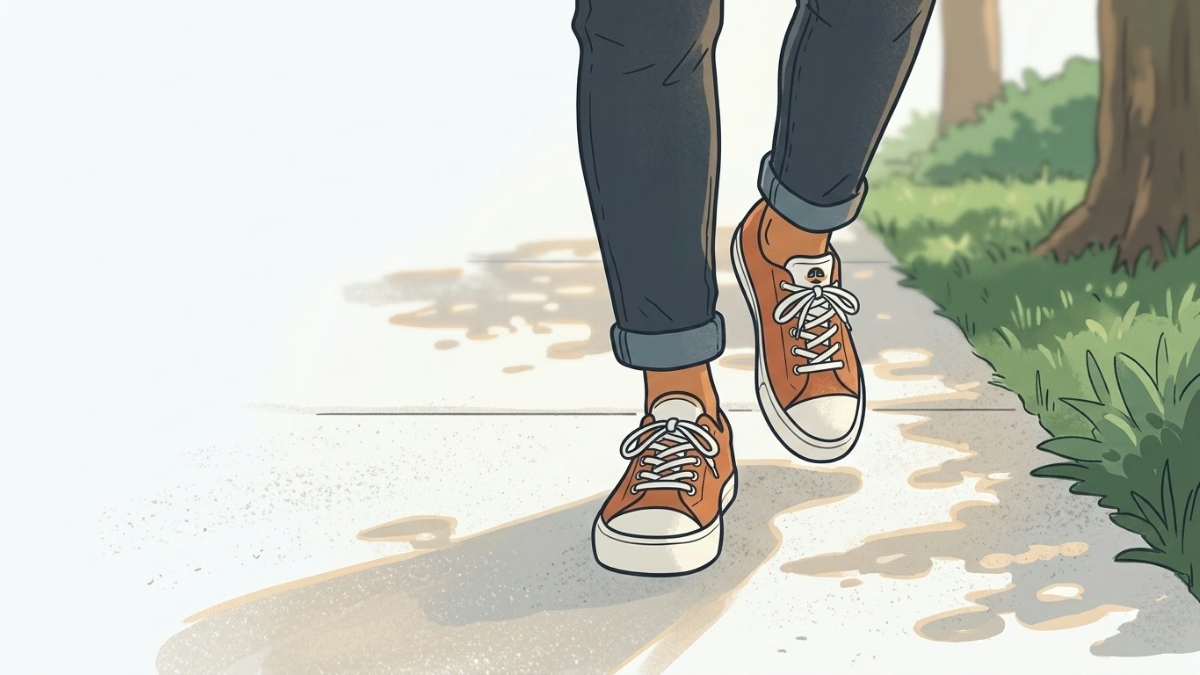
Nobody’s going to put “went for a walk” on a highlight reel, but it works.
The benefits of a 20-minute walk are, frankly, embarrassingly good for something that requires zero equipment, zero membership fees, and zero tolerance for being sold a program. A Harvard Health-cited study of more than 1,000 people found that those who walked at least 20 minutes a day, five days a week had 43% fewer sick days than people who exercised once a week or less. Forty-three percent. For walking. Outside. Like a human.
Researchers have also estimated that 20 minutes of brisk walking daily could reduce the risk of early death by 16% to 30%. That’s a number that would be on a billboard if it came in a pharmaceutical bottle.
Key Takeaways
- People who walked at least 20 minutes a day, 5 days a week had 43% fewer sick days than low-frequency exercisers, per a Harvard Health-cited study of over 1,000 people.
- Researchers estimate that 20 minutes of brisk walking per day could reduce the risk of early death by 16% to 30%.
- A 10-minute walk within 60 minutes of eating can reduce post-meal blood sugar spikes.
- A 20- to 30-minute walk on a lunch break can significantly reduce the stress hormone cortisol.
- The Mayo Clinic notes that any amount of activity is better than none, and short sessions count toward your weekly goal.
The Part Nobody Talks About: Blood Sugar
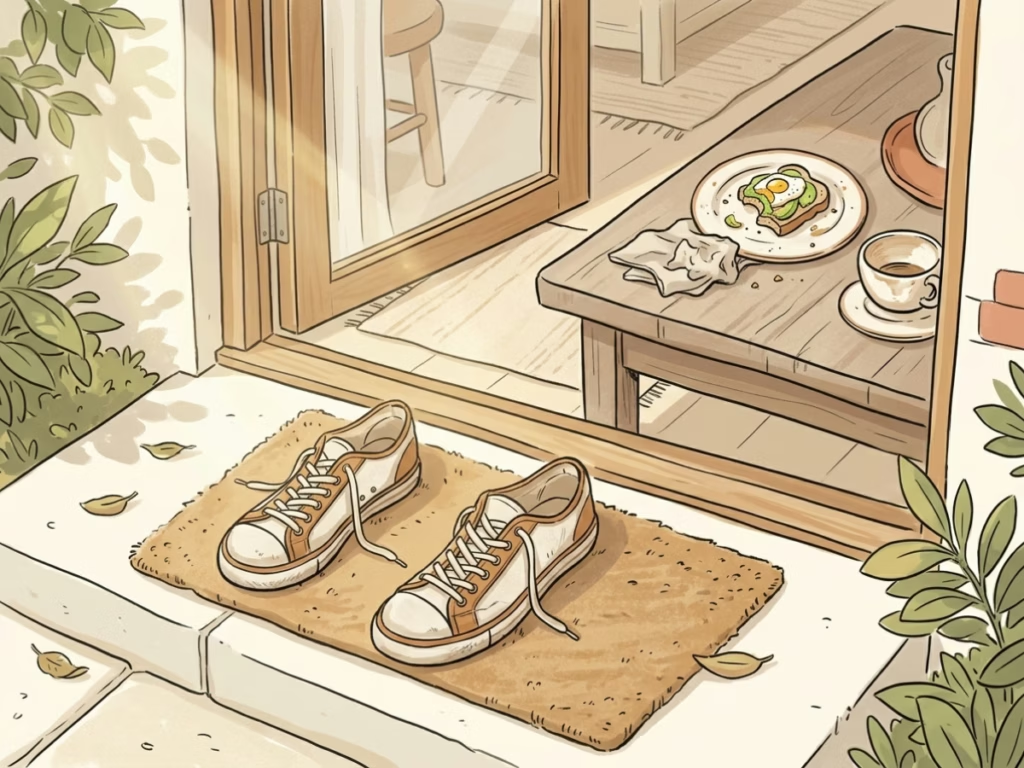
Here’s the underrated one. A short walk after a meal, even just 10 minutes, within an hour of eating, can reduce blood sugar spikes. That matters whether you’re managing your diet seriously or just trying not to feel like a deflating balloon every afternoon at 2pm.
The post-lunch slump is real, and a short walk is one of the cheapest fixes available. If you’re already dealing with summer brain fog, heat makes that worse, so an air-conditioned building loop counts. The walk, not the scenery, is the point.
Stress and the Cortisol Thing
A 20- to 30-minute walk on a lunch break can significantly reduce cortisol, the stress hormone your body keeps topping up. Walking doesn’t fix the thing stressing you out, but it does turn down the volume enough to think straight again.

The Mayo Clinic also points out that short sessions count toward your weekly 150-minute goal, meaning you don’t need one sacred workout block to make progress. You just need to keep showing up. Consistency beats optimization every time, which is a lesson that applies well outside fitness too (if you want the longer version of that thought, Roosevelt said it better than I will).
Frequently Asked Questions About 20-Minute Walk Benefits
Is a 20-minute walk actually enough exercise?
Yes, by most health benchmarks. The Mayo Clinic recommends 150 minutes of moderate aerobic activity per week and notes that any amount of activity is better than none, short sessions count. A daily 20-minute walk gets you to 140 minutes, close enough that adding one longer weekend walk covers the rest.
What is the best time to walk for health benefits?
After meals is one of the highest-leverage windows. A 10-minute walk within 60 minutes of eating can blunt blood sugar spikes. Lunch breaks also work well for stress reduction, since that’s typically when cortisol is already elevated from a morning of putting out fires.
How many steps is a 20-minute walk?
It depends on your pace, but a moderate walk typically lands somewhere between 1,500 and 2,500 steps. For context, as few as 2,800 steps per day has been linked to heart health benefits, so even a slow 20-minute stroll clears that bar.
Does walking help with mood?
Yes. Walking has been linked with improved mood and mental health, better blood sugar regulation, and reduced risk of death from any cause. It’s not a cure for a bad day, but it’s a reliable way to make a bad day slightly less bad, which compounds nicely over time.
Does a 20-minute walk help with weight loss?
It can contribute, especially when it’s consistent. A daily 20-minute walk adds up to roughly 140 minutes of moderate activity per week, which the Mayo Clinic counts toward the 150-minute weekly target linked to healthy weight management. It’s not a replacement for diet, but it’s a free, repeatable piece of the puzzle.
Today’s action: pick one meal, lunch works well, and commit to a 10-to-20-minute walk within an hour of finishing it. Don’t optimize the route. Don’t track the steps. Just go. Do it again tomorrow. That’s the whole thing.
Get The Enough List — free.
Ten minutes, five areas. A short guide for figuring out what enough looks like in money, health, work, people, and time — before you go sprinting at someone else's finish line. Yours when you subscribe.