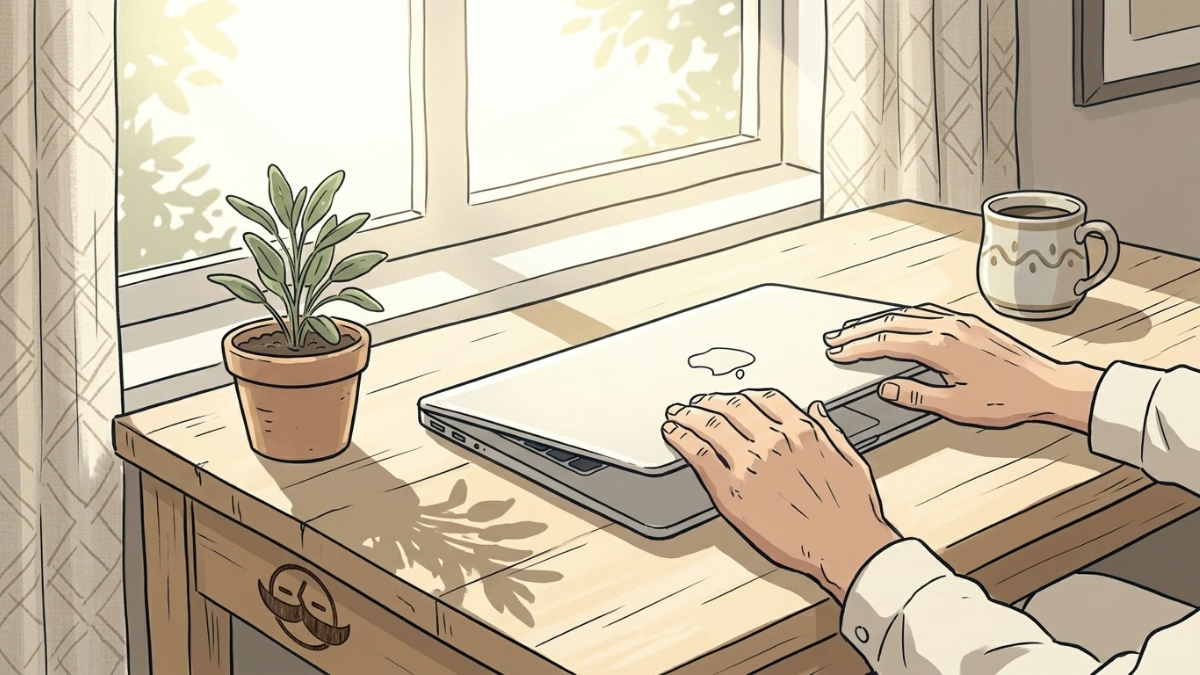
The problem isn’t that you love your job too much. It’s that your brain never got the memo that the shift ended.
Knowing how to switch off from work is less about willpower and more about giving your brain a clear, repeatable signal that the day is actually done. Here’s what that looks like in practice.
Key Takeaways
- A 2023 systematic review on PubMed identifies psychological detachment from work as a vital recovery experience, not a luxury.
- A 2024 survey found the three most effective recovery strategies are exercise, time with family and friends, and leisure pursuits.
- Microsoft’s work-life research recommends stepping away from devices every two hours to let the brain refresh.
- Writing down unfinished tasks before stopping for the day helps prevent the mental replay loop that keeps work alive after hours.
Why “Just Relax” Doesn’t Work
Flopping on the couch and doomscrolling feels like rest. It is not rest. Your brain is still processing, still reacting, still vaguely stressed (usually by someone else’s bad take). Walking, music, stretching, breathing, those actually let the mind recover. Scrolling is just work with funnier thumbnails.
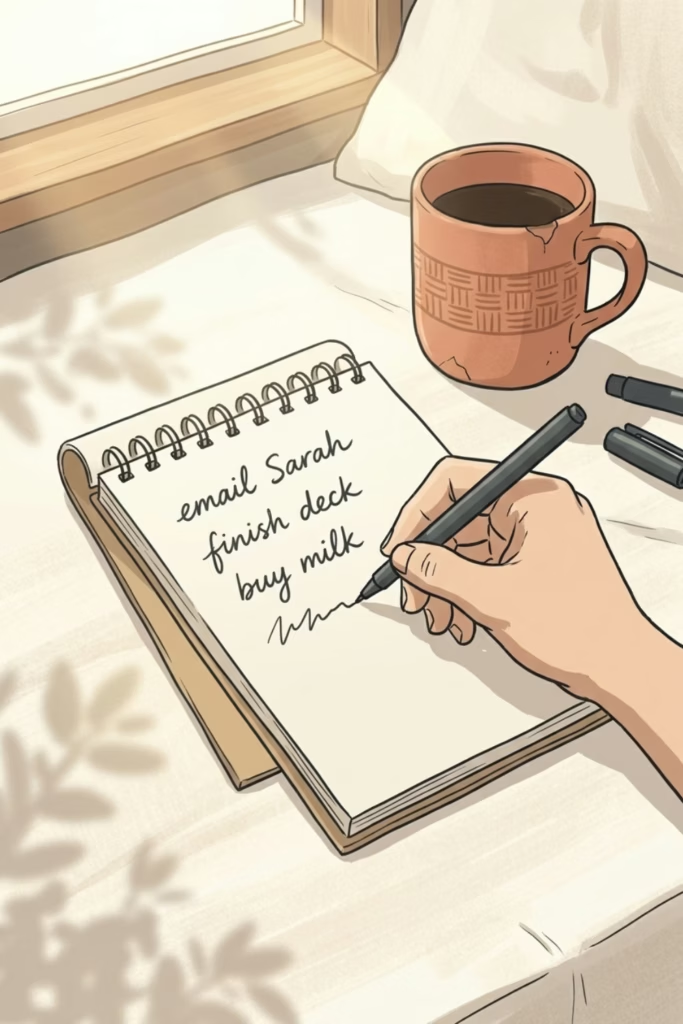
The deeper issue is unfinished tasks. Your brain is a completionist. It keeps a mental tab open for anything you didn’t wrap up, and that tab runs in the background all evening like a software update you keep postponing. One fix: before you close the laptop, spend five minutes writing down everything still in your head. Unfinished items, tomorrow’s priorities, the thing you almost forgot. Lincoln College backs this up, externalizing your worries onto paper stops the mental replay. Once it’s written, your brain (mostly) lets it go.
Build a Ritual That Helps You Switch Off From Work
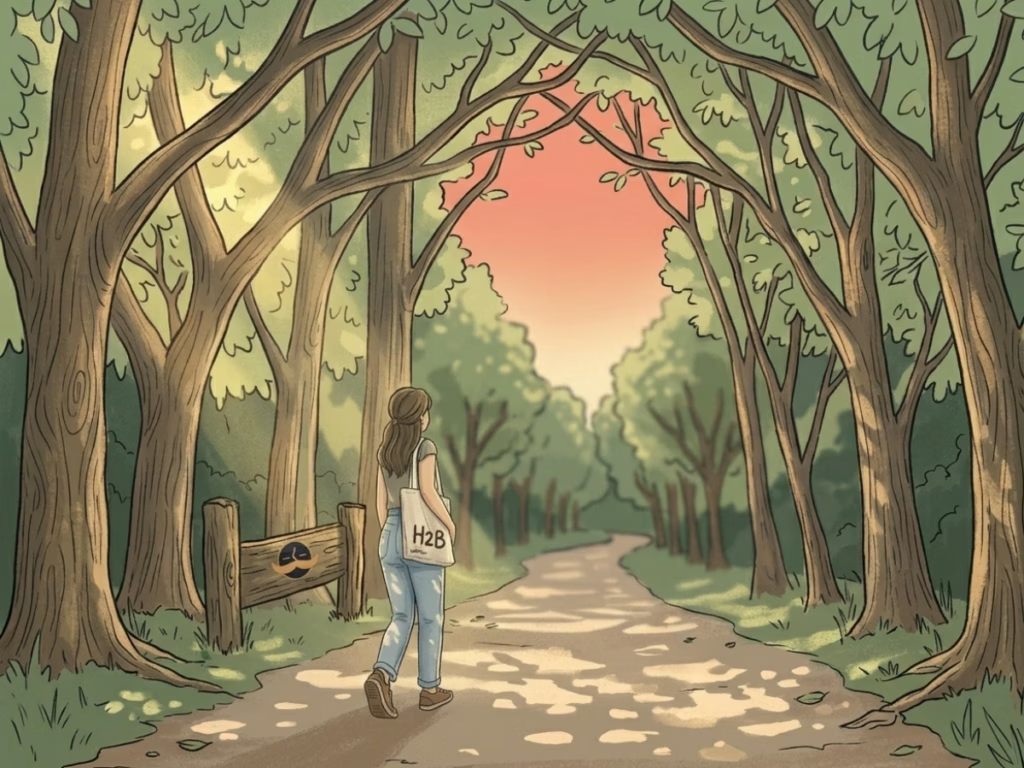
A decompression ritual is just a short sequence that helps you switch off from work by telling your nervous system: we’re done here. It doesn’t need to be elaborate. A five-minute walk. Three songs you actually like. A quick stretch. The point is consistency, not complexity.
A 2024 look at recovery strategies found the three things that actually work are exercise, time with people you like, and leisure you genuinely enjoy. Not “productive leisure.” Not a side project that’s secretly just more work with a different logo. Actual leisure. The kind you’d be slightly embarrassed to list on a resume.
And Microsoft’s research recommends stepping away from devices every two hours during the day, which also applies to the transition out of work. The ritual matters more than the content of it.
If you want a ready-made framework for the shutdown itself, the 5-minute shutdown ritual is worth a look. And if notifications keep pulling you back in, the one-tab rule is a solid starting point for reducing digital friction without requiring you to become a monk.
Frequently Asked Questions
Why can’t I stop thinking about work after I get home?
Your brain keeps unfinished tasks active in working memory, it’s sometimes called the Zeigarnik effect, and it’s annoyingly effective. Writing down pending items before you stop for the day is one of the most reliable ways to close those mental loops. Lincoln College recommends a timed worry-dump: write it down, then move on.
Does a walk actually help you unwind, or is that just advice people give?
It actually helps. Walking as one of the most effective purposeful breaks because it lets the mind genuinely recover, unlike passive screen time. Even a short one counts. You don’t need to hit a step goal, you just need to move.
What counts as a good after-work routine to relax?
A 2024 survey on recovery strategies found exercise, time with family and friends, and leisure pursuits are the three most effective options. The common thread is that they’re all active replacements for work, not just passive absence of it.
How do I stop checking work emails after hours?
This is where boundary setting after work pays off most. Make the default behavior offline. Remove the work app from your home screen, mute notifications at a set time, or keep work email off your personal phone entirely. A 2023 systematic review on PubMed identifies psychological detachment from work as a core recovery experience, and work detachment strategies like muting notifications are the practical side of that.
Tonight, before you do anything else: close the laptop, write down every open loop still rattling around in your head, then go do one thing that has nothing to do with work. That’s it. That’s the off switch.
Get The Enough List — free.
Ten minutes, five areas. A short guide for figuring out what enough looks like in money, health, work, people, and time — before you go sprinting at someone else's finish line. Yours when you subscribe.