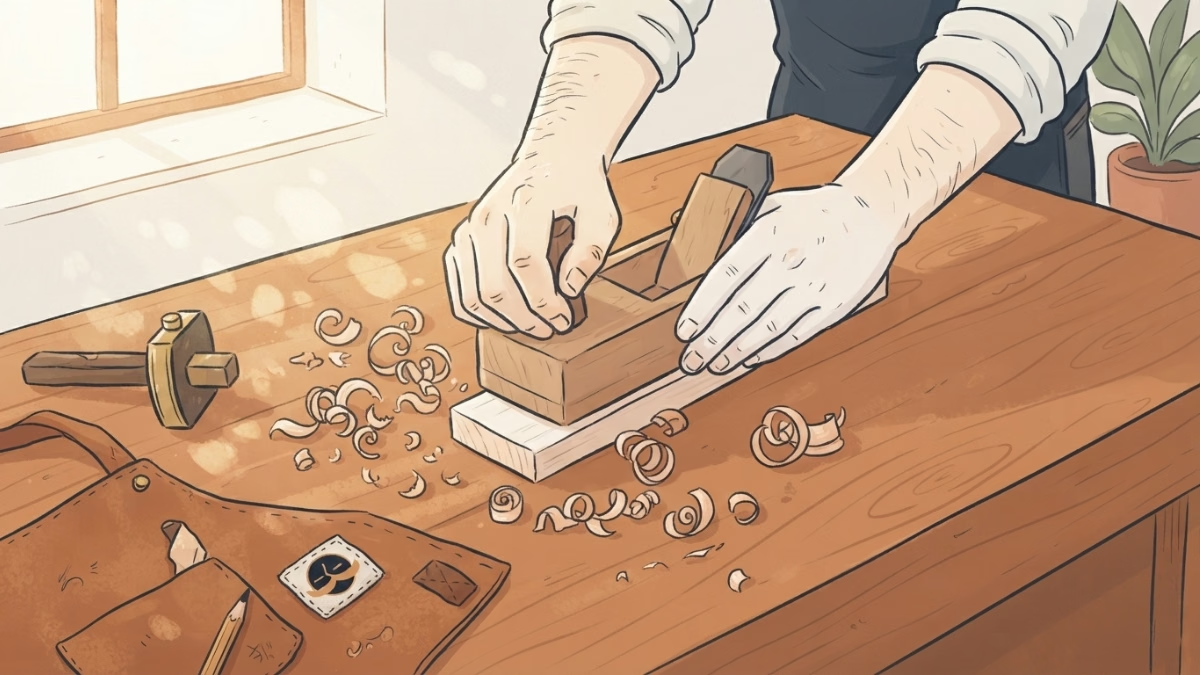
Not every hobby needs a Shopify store attached to it.
Is it okay to not monetize your hobby? Yes. Full stop. A 2024 psychology-focused piece found that commodifying creative hobbies can undermine intrinsic motivation and the restorative value of leisure, which is a fancy way of saying: once your painting has to pay rent, it stops being the thing that unwinds you after a rough week, per designdash.com. That’s worth sitting with for a second.
Key Takeaways
- Monetizing a hobby can undermine intrinsic motivation and the restorative value of leisure, according to a 2024 psychology-focused analysis.
- Commodified hobbies often require more consistency, time, and profitability focus, factors that increase anxiety and burnout risk.
- Refusing to monetize a hobby is not a sign of failure or wasted talent; it is a valid and sustainable choice.
- A non-monetized hobby can serve joy, curiosity, rest, and identity without the pressure of a second job.
- Setting clear boundaries, no commissions, no selling, no turning it into a brand, protects the thing you love from becoming work.
The Scoreboard Changes the Moment Money Enters
There’s a quiet pressure that shows up everywhere right now: if you’re good at something, you should be selling it. Pottery, guitar, woodworking, photography, doesn’t matter. The hobby-vs-side-hustle question has become so loud it’s hard to hear yourself think. The internet’s default assumption is that a skill without a revenue stream is a skill being wasted.
It isn’t.
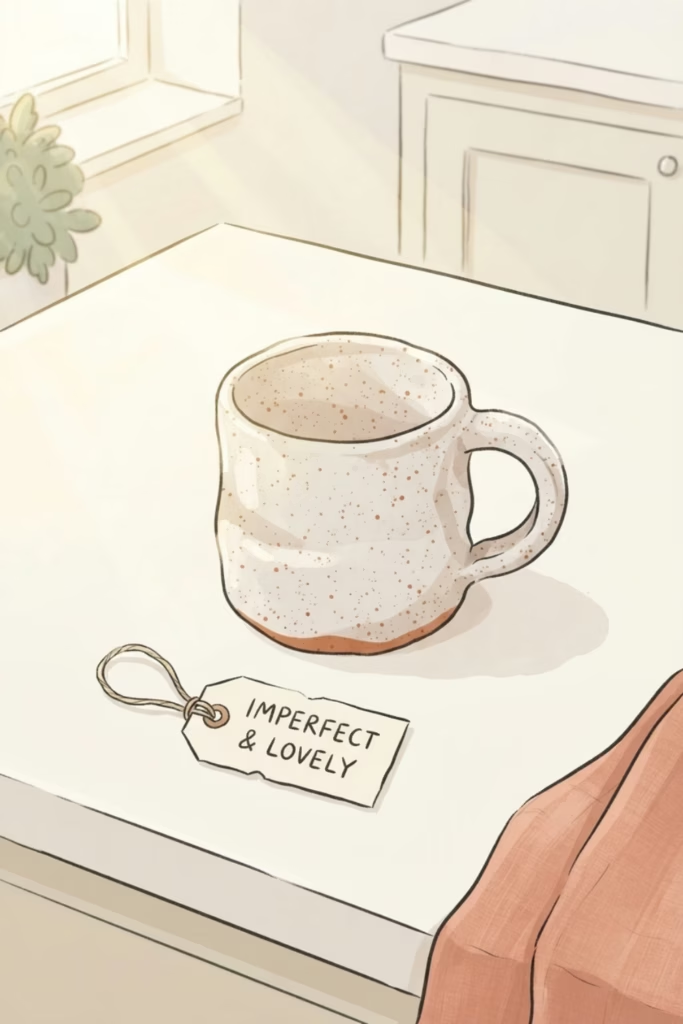
When a hobby becomes client-facing, the thing you were doing for yourself starts serving someone else’s expectations. That same 2024 analysis noted that monetized hobbies tend to demand more consistency, more time, and more focus on profitability, all of which are reliable ingredients for burnout, per designdash.com. You set out to make furniture because you love working with your hands. Six months into taking commissions, you’re stressed about delivery timelines and whether the customer will like the stain color. Congratulations, you have a second job. The worst part is it usually happens so gradually you don’t notice until the thing you loved starts to feel like a chore.
The hobby didn’t fail you. The scoreboard changed.
Keeping It Yours: Why Not Monetizing Your Hobby Is a Strategy, Not a Cop-Out
Here’s the reframe: choosing not to monetize isn’t a sign of low ambition or wasted potential. A 2026 lifestyle piece put it plainly, a non-monetized hobby can serve joy, curiosity, rest, and identity without any of that pressure, per revlox.com. That’s not nothing. That’s actually a lot. Part of what makes a hobby worth protecting is its intrinsic motivation. The fact that you’re doing it because it matters to you, not because a metric says it should.

Think about what a good hobby does for you. It’s the mental off-duty space. The place where you’re allowed to be bad at something and not care. The thing you do on a Saturday morning before the rest of the world needs something from you. The moment you put a price tag on it, all of that is negotiable.
One practical boundary worth stealing: don’t take commissions, don’t sell what you make, don’t build a brand around it. Just make the thing. This isn’t anti-ambition. It’s protecting the one part of your week that’s actually yours. If you’re already feeling stretched thin, rest that doesn’t rust you is worth reading.
And if you’re worried you’re somehow letting a talent go to waste, it is not selfish or frivolous to keep a hobby for yourself. Nobody is owed your creative output.
Frequently Asked Questions
Is it okay to not monetize your hobby?
Yes. Research shows that keeping a hobby non-monetized preserves its restorative and intrinsic value, the qualities that make it worth doing in the first place, per designdash.com. A hobby that serves joy and rest is doing its job, even if it never earns a dollar.
Does monetizing a hobby always ruin it?
Not always, but it changes the dynamic. Once a hobby serves client expectations, the satisfaction tends to shift away from you and toward output and metrics. Some people navigate that fine; others find the thing they loved quietly becomes another obligation.
What if I feel guilty for not turning my skill into income?
That guilt is mostly cultural noise. Being good at something doesn’t create an obligation to sell it. Keeping a skill private and joyful is a completely legitimate choice, and often a smarter long-term one than burning it out for a side income that may not last.
How do I protect a hobby from turning into work?
Set simple rules and stick to them: no commissions, no selling, no public performance pressure. A 2026 lifestyle guide recommends these exact boundaries as a way to keep a hobby from becoming a brand or a project, per revlox.com. If the boundary feels weird to explain to people, “I just do it for fun” is a complete sentence.
The one thing to do today: pick the hobby you’ve been feeling vaguely guilty about not monetizing. Write down one reason you actually love doing it. That reason is the whole point. Protect it accordingly.
Get The Enough List — free.
Ten minutes, five areas. A short guide for figuring out what enough looks like in money, health, work, people, and time — before you go sprinting at someone else's finish line. Yours when you subscribe.