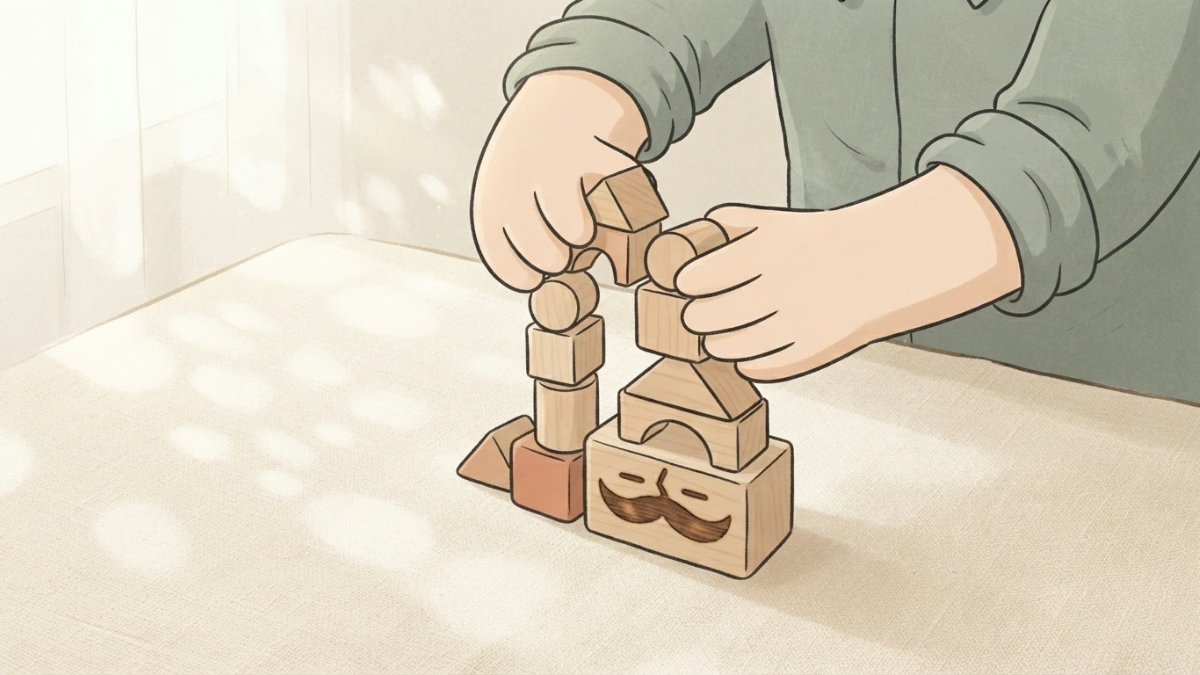
John Wooden once told his players there are no big things. Only a logical accumulation of little things done at a very high standard, per Goodreads. That’s the whole lesson. You can stop reading here if you want, but it’s worth understanding why a man who built one of the most dominant runs in sports history thought that way, because it applies well outside a basketball gym.
The lessons from John Wooden’s Pyramid of Success are less about basketball and more about why the boring daily stuff is the only stuff that actually compounds.
Key Takeaways
- Wooden created the Pyramid of Success in 1948, decades before modern productivity culture made ‘systems thinking’ a buzzword.
- The Pyramid’s foundation blocks are industriousness, friendship, loyalty, cooperation, and enthusiasm, character traits, not performance metrics.
- Wooden coached UCLA to 10 NCAA championships in 12 years (1964-1975) by obsessing over process details, not scoreboard outcomes.
- “There are no big things, only a logical accumulation of little things done at a very high standard of performance.” – John Wooden
- Wooden’s framework is an anti-hustle system: excellence comes from repeatable basics, not dramatic overachievement.
The Lessons From John Wooden’s Pyramid of Success Aren’t What You Think
Wooden built his Pyramid of Success in 1948, which means it predated hustle culture, productivity apps, and every LinkedIn post about “maximizing your potential” by several decades. The man was ahead of the game before the game had a name.
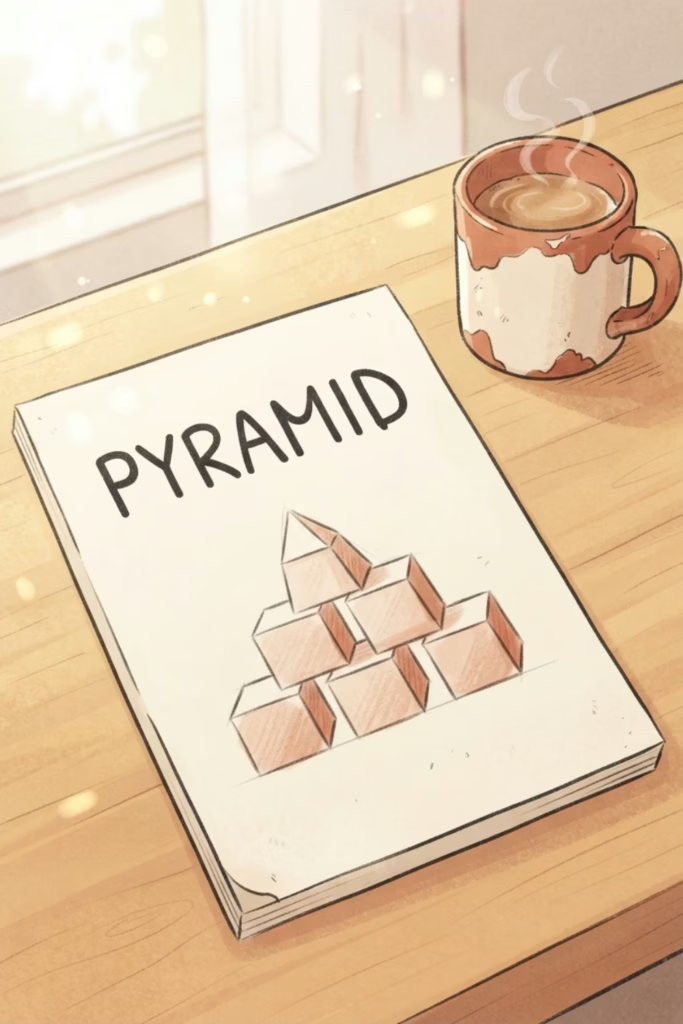
The Pyramid has 15 blocks. The foundation isn’t talent. It isn’t ambition. It’s industriousness, friendship, loyalty, cooperation, and enthusiasm, things you build quietly, privately, and mostly when nobody’s watching. Character stuff. The boring stuff that actually works.
Competitive greatness sits near the top, but Wooden’s point was always that you can’t get there by chasing it directly. You get there by earning each block below it, one at a time. It’s less a motivational poster and more a building code for a life.
Why “Little Things” Is Actually a Systems Argument
Here’s where Wooden gets misread. People hear “little details matter” and think he’s talking about motivation, stay focused, stay hungry, believe in yourself, etc. He wasn’t. He was talking about systems and repetition.
“It’s the little details that are vital. Little things make big things happen,” he said, per Goodreads. That’s not a pep talk. That’s a process argument. The small thing you do consistently is the only thing that compounds into something real. The big swing you take once a quarter doesn’t.

His advice to “seek the small improvement one day at a time, that’s the only way it happens, and when it happens, it lasts”, per Antoine Buteau is about as anti-hustle as it gets. No dramatic overhaul. No 75 Hard. Just: what’s one thing you can do slightly better today than you did yesterday?
This connects to something Tim Duncan modeled his whole career around, boring consistency that looks unimpressive until you zoom out and see the results stacked up over years.
What This Looks Like in Practice
Wooden’s success habits weren’t complicated: pick the smallest real improvement available to you today, repeat it, and let the stack build. You don’t need to be coaching a basketball dynasty for this to apply. Wooden’s framework scales down to regular life just fine.
Pick one area. Sleep, diet, how you show up at work, how you handle a hard conversation. Now ask: what’s the smallest version of improvement I can actually do today? Not the version that requires a total lifestyle overhaul. The ramen version, not the Michelin star.
Then do it again tomorrow. (Thrilling, I know. The lack of drama is the point.)

Wooden’s definition of success, by the way, was personal improvement, not trophies, per Antoine Buteau. He coached UCLA to 10 NCAA championships in 12 years, per The John R. Wooden Course and still insisted the scoreboard wasn’t the measure. If that doesn’t make you rethink how you’re keeping score in your own life, read it again.
If you’re figuring out what your personal “enough” actually looks like, the Marcus Aurelius approach to self-reflection pairs well with Wooden’s framework, different era, same basic idea.
Frequently Asked Questions
What is John Wooden’s Pyramid of Success?
The Pyramid of Success is a 15-block framework Wooden finished building in 1948 to define what success actually means. The foundation blocks are industriousness, friendship, loyalty, cooperation, and enthusiasm, with competitive greatness near the top. The whole structure is built on character traits, not performance metrics. It predates modern productivity culture by decades, which is either reassuring or embarrassing depending on how many apps you’ve downloaded.
The lessons from John Wooden’s Pyramid of Success come down to one idea: character built quietly, one day at a time.
What did Wooden mean by “little things make big things happen”?
He meant it literally, not motivationally. Wooden argued there are no big things, only a logical accumulation of small things done consistently at a high standard, per Goodreads. His coaching focused on repeatable daily details rather than dramatic moments. The scoreboard was a byproduct, not the target.
How does Wooden’s philosophy apply outside sports?
Wooden’s own definition of success was personal improvement, not winning, per Antoine Buteau. That means the framework applies anywhere you want to get better at something, work, health, habits, how you handle stress. Pick the smallest real improvement you can make today and repeat it. That’s the whole method.
Is the Pyramid of Success still relevant?
The Pyramid was built in 1948 and its foundation is character traits that don’t have an expiration date. Industriousness and enthusiasm aren’t going out of style. The anti-hustle framing, excellence through consistent basics, not dramatic overachievement, is arguably more relevant now than when Wooden built it, given how much noise there is about optimizing everything all at once.
Today’s action: Pick one small thing you’ve been doing inconsistently, sleep time, a five-minute walk, actually eating breakfast, and do it today. Just today. Wooden didn’t ask his players to win a championship every day. He asked them to do the next small thing right.
That’s the whole pyramid, from the bottom up.
Get The Enough List — free.
Ten minutes, five areas. A short guide for figuring out what enough looks like in money, health, work, people, and time — before you go sprinting at someone else's finish line. Yours when you subscribe.