
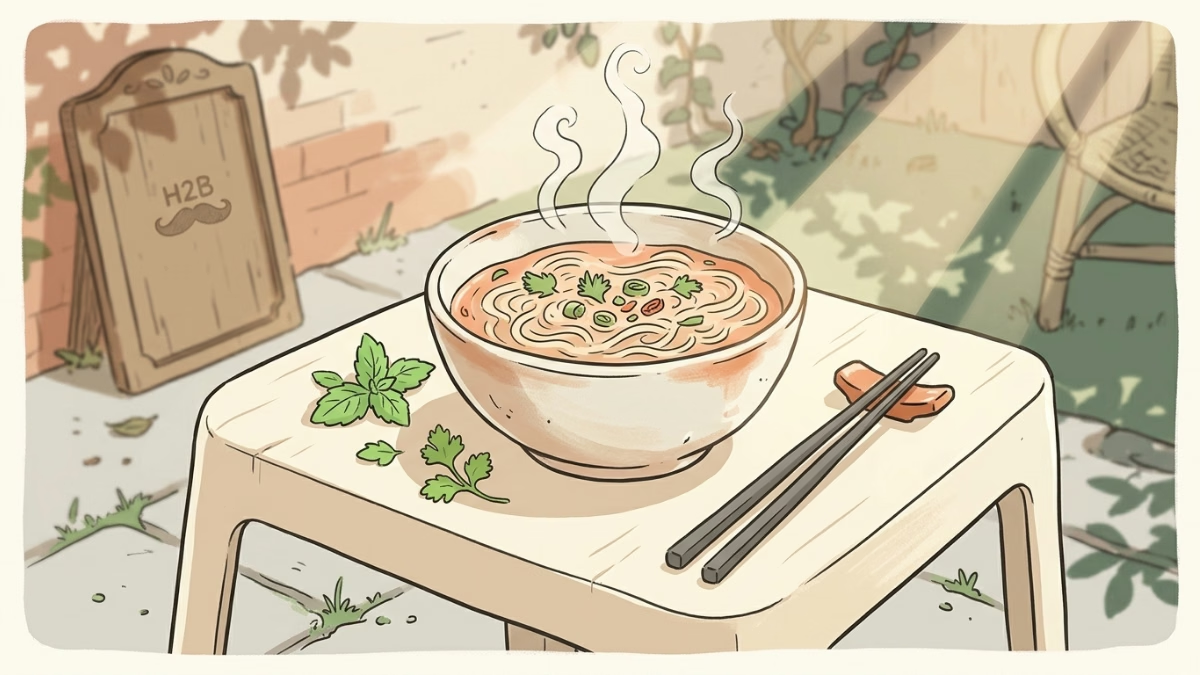
Anthony Bourdain never sold you a course. He never told you to wake up at 5 a.m. or build your personal brand or become a high-value version of yourself. He just ate noodles in a plastic chair on a Hanoi sidewalk with Barack Obama, and somehow that was the most aspirational thing on television.
That’s not an accident. That’s an Anthony Bourdain philosophy on life that’s worth more than anything the hustle-bro genre is selling.
Most write-ups about Bourdain focus on the origin story: the chaotic kitchens, the years of being broke and brilliant in equal measure, the Kitchen Confidential book deal that changed everything. It’s a good story. It has grit, redemption, a third act. But the part that matters, the part that’s actually useful to you right now, is what he did after he made it. Specifically: he stopped trying to prove he’d made it.
That’s Anthony Bourdain’s real secret. And it’s harder than it sounds.
Key Takeaways
- 80% of Millennials say hustle culture leads to burnout or health issues, per a Monster survey from September 2024.
- A 2025 study found that hustle endorsement predicted burnout and perceived stress in young entrepreneurs, while work-life balance protected life satisfaction.
- Anthony Bourdain’s later-life perspective, not his origin story of grinding through kitchens, is the part worth studying: he stopped needing the performance.
- Volatile work schedules and night shifts in young adulthood are linked to less sleep, worse health, and greater likelihood of depression at age 50, per NPR’s April 2024 report on a longitudinal study.
- Defining ‘enough’ before you sprint is the difference between arriving somewhere and just running.
The Hustle Myth Nobody Admits Out Loud
Here’s something that should give you pause. A Monster survey from September 2024 found that 80% of Millennials say hustle culture leads to burnout and/or health issues, and it wasn’t just one generation performing exhaustion. 69% of Gen X said the same. 60% of Gen Z. Even 54% of Baby Boomers.
So the majority of working adults across every generation agree that the hustle ethos is actively bad for them. And yet, here we all are, still calling it “the grind” like that’s a compliment.
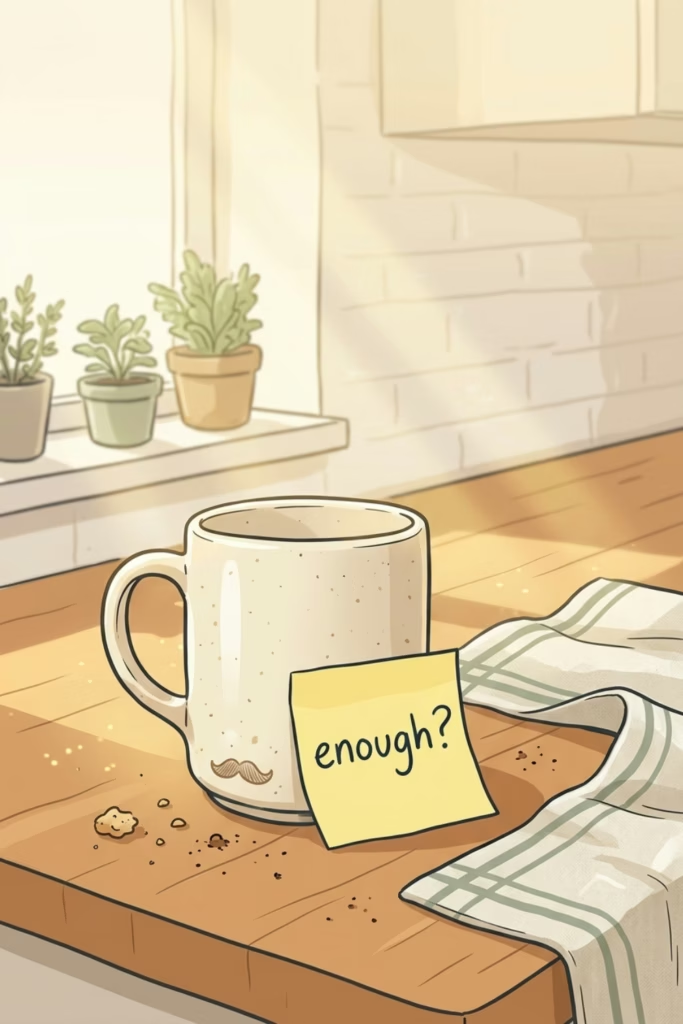
The same survey found that 68% of Millennials and 54% of Gen Z say hustle culture is no longer worth the toll it takes. Not “I’m tired.” Not “I need a vacation.” That’s an accounting judgment. A lot of people have done the math and concluded they’re losing the trade.
A 2025 study of young entrepreneurs backed this up clinically: hustle endorsement predicted burnout and perceived stress, while work-life balance protected life satisfaction. Which is the kind of finding that reads like obvious common sense until you remember that most of us are still operating like the opposite is true.
Bourdain would have had something unprintable to say about all of this. Probably while eating something incredible.
Anthony Bourdain’s Philosophy on Life, In Practice
The easy version of the Bourdain story is “chef grinds for years, becomes famous, lives the dream.” And look, that’s not wrong. But it misses the texture of what his later life actually looked like.
By the time he was hosting Parts Unknown, Bourdain wasn’t performing success. He was genuinely curious. He sat with people who had nothing to sell him. He ate food that wasn’t trying to be anything other than itself. He said, in various ways and on various occasions, that the life he’d ended up with still surprised him.
A 2026 New York Times magazine piece on his cult following described his arc as a transition from work to play, and noted that people are drawn to what he became, not just what he endured to get there. That’s worth sitting with. The thing that made him iconic wasn’t the hustle. It was the moment he stopped being defined by it.
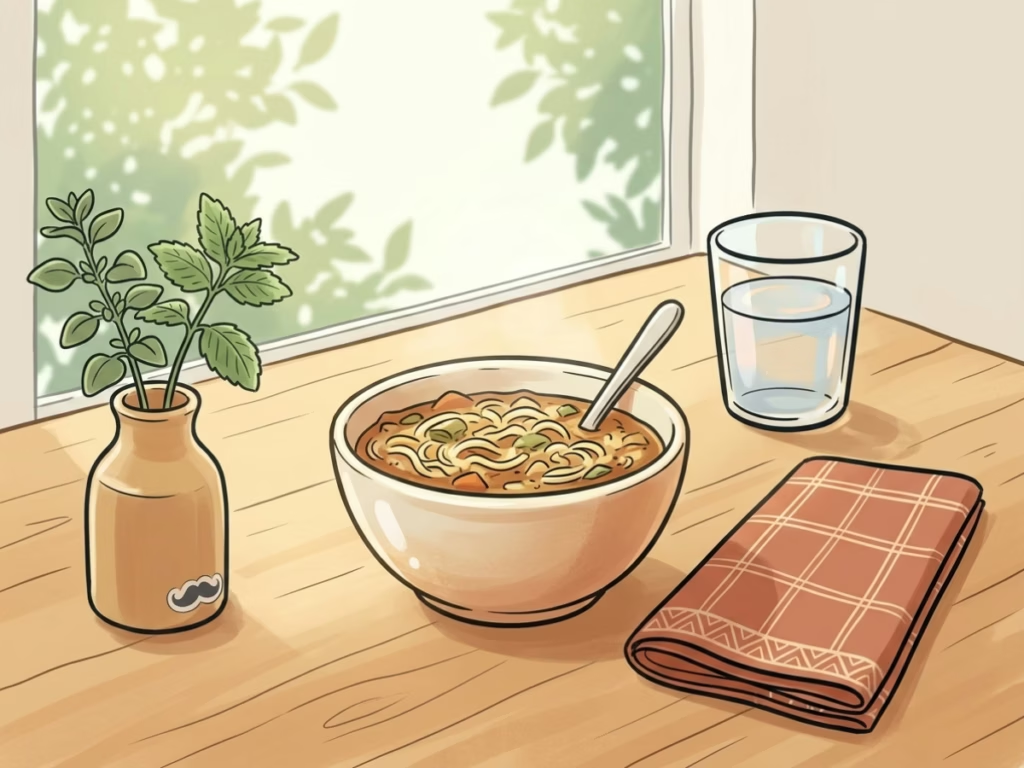
His last interview, covered by The Independent in 2018, showed a man who had clearly thought hard about luxury and status and what the life he’d built actually meant. Not in a motivational-poster way. In the way a person thinks when they’ve genuinely reckoned with the question.
That reckoning is the thing most hustle-culture content skips entirely. It wants to sell you the sprint. Bourdain was interested in what happens when you look up from the run.
Character Over Image, Every Time
There’s a version of success that’s basically a costume. You wear the right things, post the right content, hit the metrics that make you look like a person who has arrived. It feels like achievement because it looks like achievement from the outside.
Bourdain was the walking rejection of this, and he knew it. He’d spent enough years in professional kitchens, one of the most brutal, least glamorous, lowest-margin environments in the working world, to have no patience for image management. (estaurant work has a way of burning the peacock right out of you. Chef burnout and the identity crisis that follows it are occupational hazards nobody puts in the job listing.)
The character-over-image thing isn’t about being humble or self-effacing. It’s about being honest about what you actually are when nobody’s watching the camera. Bourdain was honest. Sometimes to a fault. Often uncomfortably so. But people trusted him because of it, not in spite of it.
That trust is worth more than a personal brand. It lasts longer. It’s also, frankly, a lot less exhausting to maintain. A persona requires constant upkeep. A character just… is.
If you want a companion read on this, the piece we did on what Mr. Rogers taught us about quiet strength covers similar ground from a very different angle. Two men. No hustle. Enormous impact.
The Burnout Nobody Planned For
Here’s the part the hustle-bro genre never puts in the brochure.
NPR reported in April 2024 on a longitudinal study showing that volatile work schedules and night or rotating shifts in young adulthood were linked to less sleep, worse health, and a greater likelihood of depression at age 50. Not next year. At 50.
The damage compounds quietly. You don’t notice it in the sprint. You notice it when the sprint ends and you’re standing in the parking lot wondering where the last decade went.
A 2025 review of 15 empirical studies found a positive relationship between hustle culture and academic burnout among Gen Z students and noted that self-compassion and social support were what helped. Not more output, per Faculty of Psychology at Universitas Muhammadiyah Surabaya. Not a better morning routine. Self-compassion. Which is one of those things that sounds soft until you actually try it, at which point it turns out to be surprisingly difficult.
Bourdain didn’t talk about self-compassion in those terms. But the man who gave himself permission to eat a bowl of pho alone in Vietnam and call it a good day was practicing something in that neighborhood.
What “Enough” Actually Looks Like
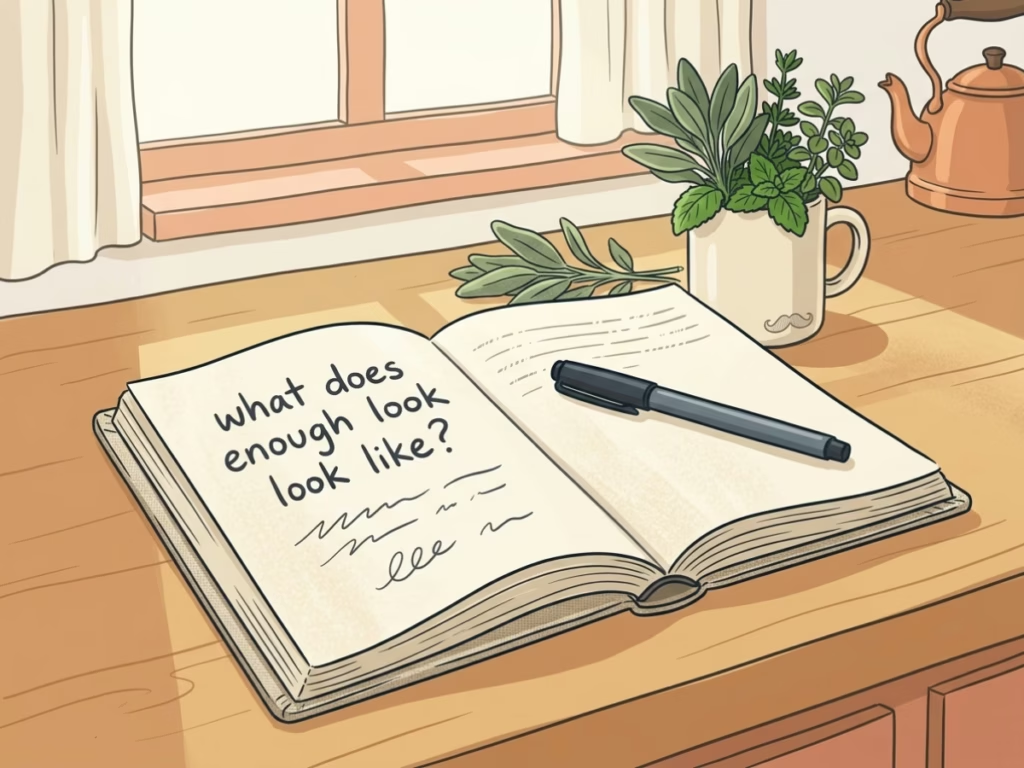
Here’s the question worth asking before you take the next step on whatever path you’re on: what does “enough” look like for you? Not for the version of you that exists on LinkedIn. Not for your parents’ expectations or your friend group’s definition of keeping up. For you.
This is the “define your own enough” question, and it’s the one the hustle genre skips on purpose. Because the trap isn’t working hard. Working hard is fine. The trap is working hard without a finish line, just running because stopping feels like failure.
Bourdain had a version of “enough” that was invisible to anyone looking at his career from the outside. He wanted to keep being surprised. He wanted to keep eating interesting food with interesting people. He wanted, by his own account, to keep learning. Those are extraordinarily achievable goals. They’re also goals that don’t require you to win anything.
Marcus Aurelius spent years wrestling with the same question from the opposite direction, a man with more power than almost anyone in history, trying to figure out what actually mattered. The answer he kept arriving at was character and present attention. Not legacy. Not status. What you’re doing right now, and who you’re being while you do it.
There’s also something to be said for recognizing when you’ve already arrived. Calvin Coolidge had thoughts on knowing when to stop that most people who chase the corner office never figure out. Bourdain, in his way, figured it out.
The Anti-Hustle Isn’t Laziness
To be clear, because this always needs saying: rejecting hustle culture is not the same as rejecting effort. It’s not permission to do nothing and call it peace. Bourdain worked constantly. He wrote, he filmed, he traveled, he thought hard about things. He wasn’t coasting.
The distinction is whether the work is serving you or whether you’ve become a servant to the image of working.
A 2025 article on the same entrepreneur study noted that hustle can boost short-term perceived success while raising psychological costs, burnout negatively predicted life satisfaction, while balance protected it. Short-term perceived success is a very specific phrase. It’s the kind of thing that looks good at the quarterly review and feels hollow at dinner.
Bourdain did not look hollow at dinner. Ever. That’s the thing.
Frequently Asked Questions
What was Anthony Bourdain’s philosophy on life?
Bourdain’s philosophy was built around authentic curiosity over performance. He was openly skeptical of status, luxury for its own sake, and the idea that a successful life required a particular look or income level. His later work consistently returned to the value of being genuinely present, with food, with people, with place, rather than chasing the next credential.
Is hustle culture actually harmful, or is that just an excuse?
The data is pretty clear that hustle culture carries real costs. A Monster survey from September 2024 found that 80% of Millennials say hustle culture leads to burnout or health issues, and a 2025 study found that hustle endorsement specifically predicted burnout and stress in young entrepreneurs, while work-life balance protected life satisfaction. Rejecting hustle isn’t about rejecting effort, it’s about making sure the effort is pointed somewhere that actually matters to you.
How do you define “enough” without just giving up?
Defining “enough” means planting a finish line before you sprint, not after. What would genuinely satisfied feel like, not impressed, not impressive, genuinely satisfied? That answer is different for everyone. SMART goals work well here: what specifically do you want, what does “enough” of it look like, is it actually achievable, why does it matter to you, and over what realistic timeframe? The goal is to know what you’re running toward so you can actually stop when you get there.
Did Bourdain ever talk about burnout or overwork directly?
Bourdain talked openly about his years working brutal kitchen hours for little financial reward, and he was candid in his final interviews about how he viewed the life he’d built, its value, its cost, its surprises. The Independent’s coverage of his last interview in 2018 captured a man who had clearly spent real time thinking about what luxury, status, and work actually meant. He wasn’t performing reflection. He was doing it.
What’s the practical takeaway from Bourdain’s life for someone who isn’t a celebrity chef?
The practical takeaway is boring and useful: stop optimizing for how your life looks and start optimizing for how it feels to live. That means knowing your own “enough” before external metrics define it for you. It means doing work that serves your actual values, not just your resume. And it means giving yourself permission to be satisfied when you’ve genuinely earned it, instead of moving the finish line again. That’s Bourdain work-life balance in practice, and it’s the closest thing to enough-is-enough self-improvement advice he ever gave.
The one thing you can do today is simpler than it sounds. Take five minutes and write down what “enough” actually means to you in one specific area of your life, work, money, time, whatever’s loudest right now. Not a vision board. Not a goal list. Just: what would genuinely satisfied look like, and how would you know when you were there?
Bourdain sat in a plastic chair in Hanoi and knew he was exactly where he wanted to be. Most of us spend years running without ever asking if we’re already close.
Plant the finish line first. Then run.
Get The Enough List — free.
Ten minutes, five areas. A short guide for figuring out what enough looks like in money, health, work, people, and time — before you go sprinting at someone else's finish line. Yours when you subscribe.
[…] Bourdain wrote about something adjacent to this, the idea that you don’t have to follow the established path to end up somewhere worth being. […]
[…] Anthony Bourdain had a version of this philosophy: show up fully, be present for the thing, then leave. Football works the same way. You’re allowed to be a fan who watches one game and then does something else. That’s not a failure of fandom. That’s just knowing what you actually came for. […]