
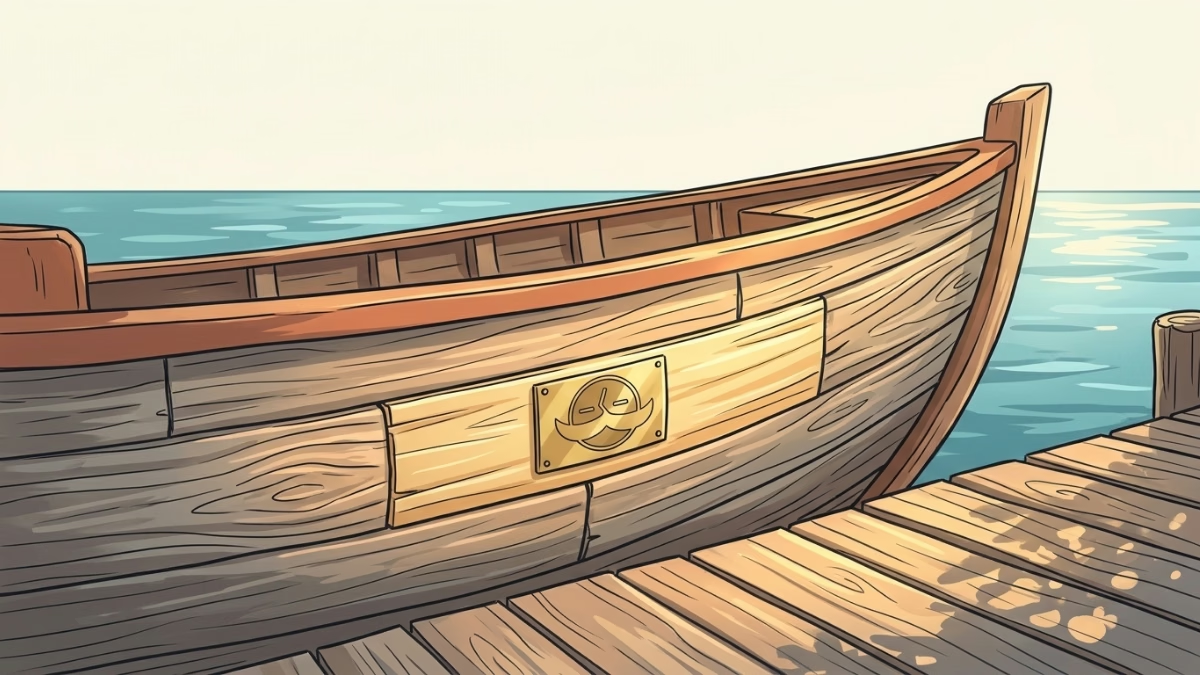
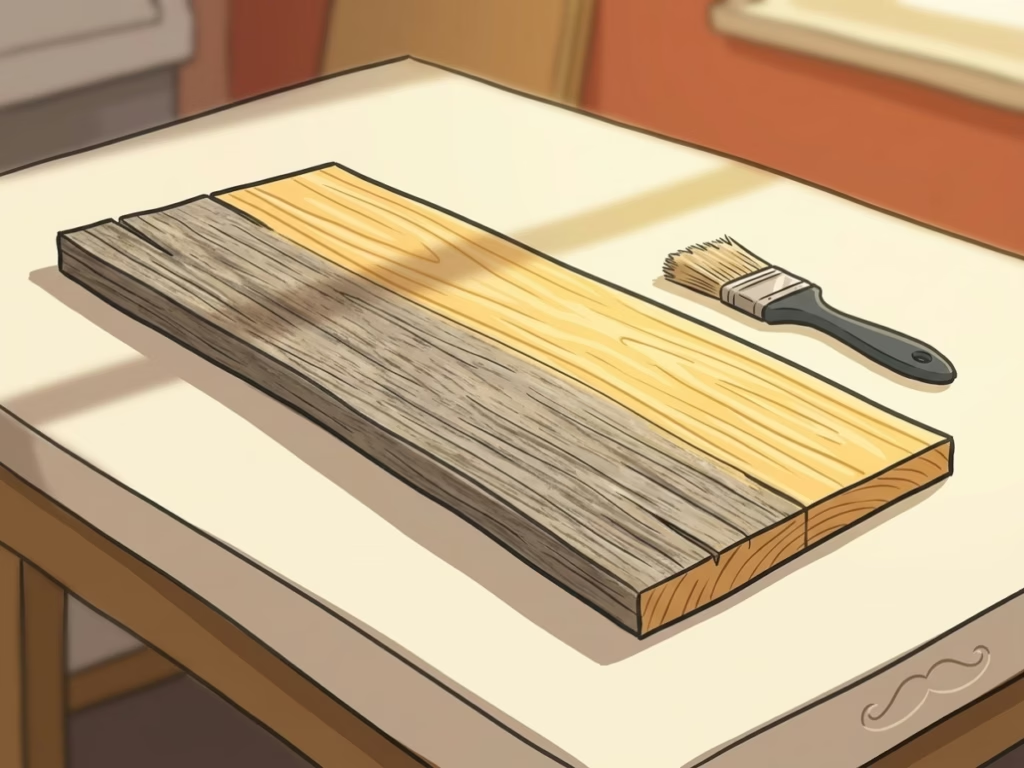
Plutarch wrote about a ship that was preserved by replacing its planks one by one as they rotted, per Britannica.. Eventually every plank had been swapped out. The question he left hanging: is it still the same ship?
That’s the Ship of Theseus paradox in one breath, a thought experiment about whether gradual, total replacement destroys identity, per Britannica. Two thousand years old, still unresolved, and genuinely useful when you’re the one doing the changing.
Here’s the Ship of Theseus explained in a way that’s actually useful outside a seminar room.
Key Takeaways
- The Ship of Theseus is a thought experiment about whether gradual, total replacement destroys identity, first recorded by Plutarch, later sharpened by Thomas Hobbes.
- Hobbes added a second ship built from the original discarded planks, splitting the identity question into two plausible candidates at once.
- Philosophers frame identity through at least four lenses: matter, structure, function, and narrative, and which one you pick changes the answer completely.
- The paradox maps directly onto personal identity: you share almost no atoms with your childhood self, yet continuity of memory and story keeps ‘you’ coherent.
- Change does not automatically equal loss, the paradox shows continuity can survive even when every single part is replaced.
What the paradox is actually asking
At its core, the Ship of Theseus is a stress-test for how we define “sameness”, per Ontological Atlas. Is something the same because it’s made of the same stuff? Because it does the same job? Because we keep calling it by the same name?
Those are four very different standards, and they don’t always agree.
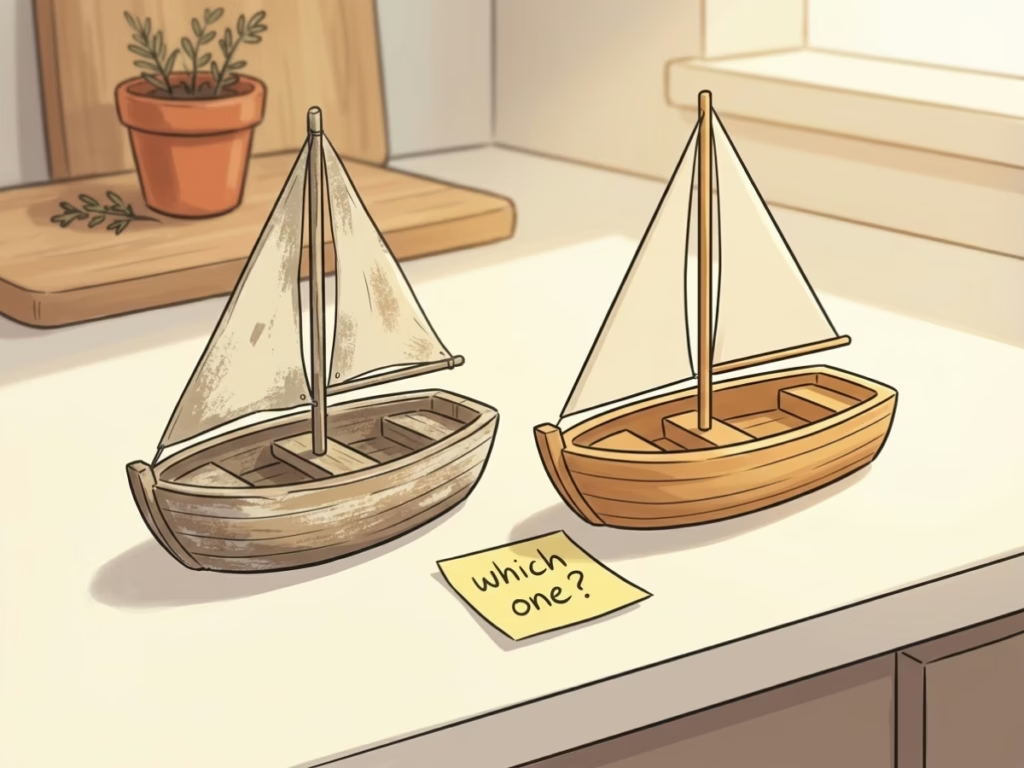
Thomas Hobbes later added a twist that makes it genuinely uncomfortable: what if someone collected all the rotted planks and built a second ship from them? Now you have two candidates for “the original”, per Cambridge. Congrats, the problem just doubled. (Hobbes was fun at parties, apparently.)
The puzzle isn’t really about boats. Some philosophers argue it’s less about physical things and more about how language tracks sameness across change, per PhilArchive. We paste a label on something, watch it transform completely, and keep using the same label, because the story feels continuous even when the matter isn’t.
Why this lands differently when the ship is you
Here’s where it stops being a philosophy seminar and starts being useful.
Most of the atoms in your body right now weren’t there ten years ago, cells replace, chemistry turns over. Your opinions have shifted. Your priorities have probably done a full lap around the track. The things that mattered at 22 might genuinely embarrass you now. (Mine do.)
And yet, you’re still you. The thread that keeps that coherent isn’t the matter. It’s the memory, the narrative, the sense that each version grew out of the last one. That’s continuity. That’s what the ship paradox is actually pointing at when it connects to personal identity.
Which means the anxiety that sometimes follows big change, “I don’t even recognize myself”, is real, but it’s pointing at the wrong thing. Changing your beliefs, your habits, your career, your city doesn’t delete you. It just replaces a plank. Then another. That’s what being a work in progress actually looks like, up close and in real time.
The question worth asking yourself

The paradox is less interesting as a puzzle to solve and more useful as a mirror to hold up. Pick your standard for identity and suddenly you have a framework for how to think about your own change.
If matter is your standard, you’re in trouble, you’ve already lost. If function is your standard, the question becomes: are you still doing what you set out to do? If narrative is your standard, the question is even simpler: does your story still feel like yours?
Most of us, when we sit with it honestly, are navigating by narrative. The story is the ship. That’s worth knowing, because it means the choices that feel small, the habits, the values, the way you treat people when it costs something, are actually the planks. You get to pick which ones to replace.
Frequently Asked Questions
What is the Ship of Theseus paradox?
The Ship of Theseus is a philosophical thought experiment that asks whether an object remains the same after all of its original parts are gradually replaced, per Britannica. It’s one of the oldest recorded puzzles about identity and persistence, and it applies just as cleanly to people as it does to boats.
Who came up with the Ship of Theseus?
Plutarch is one of the earliest recorded sources for the story. Thomas Hobbes later sharpened it by imagining a second ship built from the discarded original planks, creating two competing candidates for “the real” ship, per Cambridge. Hobbes’s version is the one that really twists the knife.
Does the Ship of Theseus apply to personal identity?
Yes, and that’s arguably its most useful application. The paradox maps directly onto how people remain “themselves” through change, which is a live question whenever you’re going through something big. The short answer: continuity of memory, function, and story holds identity together even when everything else shifts.
Is there a solution to the Ship of Theseus paradox?
Not one everyone agrees on. Identity can be defined by matter, structure, function, or narrative, and each definition gives you a different answer, per Ontological Atlas. Some philosophers argue the real issue is linguistic: we’re attached to a word (“the same ship”) and the word is doing too much work. Pick your standard first; then the answer follows.
Does changing completely mean you’re no longer yourself?
By the narrative standard, the one most of us actually use, no. Change doesn’t erase identity as long as the story has continuity. You grew out of the previous version. That’s enough.
Today’s move: write down one thing about yourself that’s genuinely different from five years ago, and one thing that’s stayed the same. That’s your thread. That’s the ship. It’s still yours.
Get The Enough List — free.
Ten minutes, five areas. A short guide for figuring out what enough looks like in money, health, work, people, and time — before you go sprinting at someone else's finish line. Yours when you subscribe.
Thoughts?