
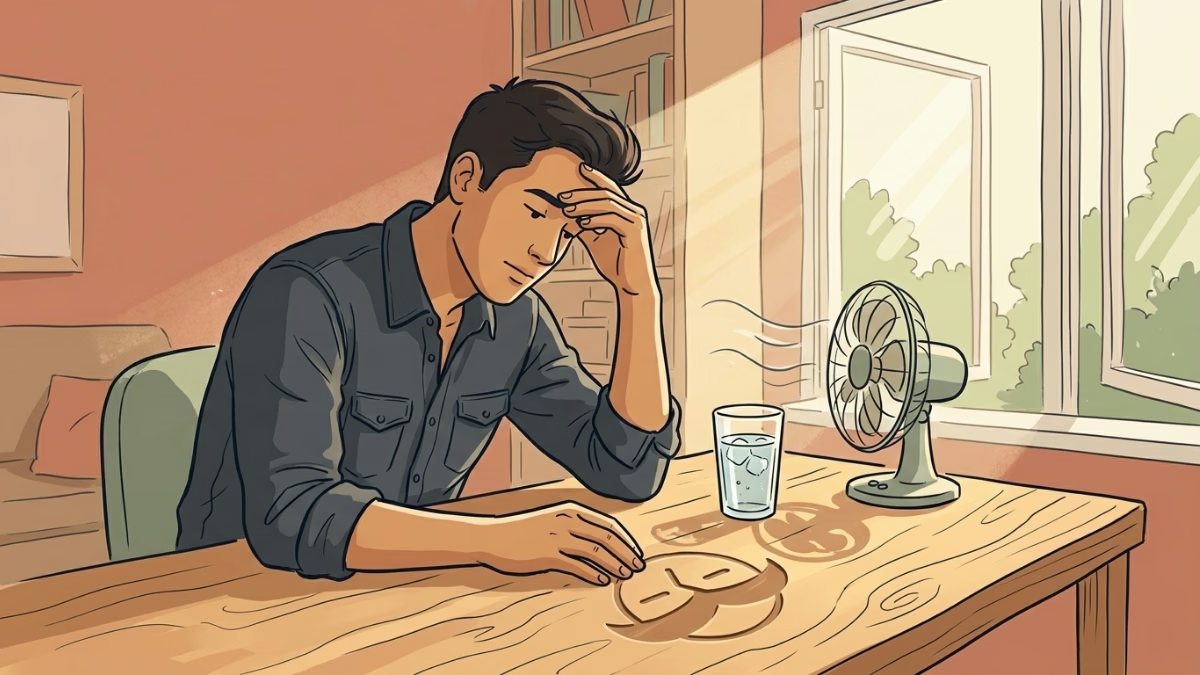
Summer heat brain fog is real and measurable: losing just 1-2% of body water impairs cognitive function before you even feel thirsty, and days with peak temperatures above 32°C (90°F) are linked to a 2% drop in cognitive capacity per 10% increase in such days. Rehydrating and moving demanding mental tasks to morning or early evening are the fastest fixes.
Good news if you feel like you’ve been a lot slower recently! Your brain is running slower right now, and the temperature outside is partly to blame. Summer heat brain fog isn’t just “feeling a bit tired”, it’s a measurable drop in the cognitive functions you actually need to get through the day.
Here’s the part that catches most people off guard: you don’t need to be dramatically dehydrated to feel it. A loss of just 1-2% of body water is enough to cause brain fog, and that threshold hits before you feel thirsty. Your brain is already struggling while you’re still thinking you’re fine. (And here I thought my age was solely to blame.)
Key Takeaways
- A 1-2% loss of body water is enough to trigger brain fog, even before thirst kicks in, making early hydration the single most effective prevention tool.
- A 10% increase in days with peak temperatures above 32°C (90°F) is associated with a 2% drop in cognitive capacity, per Psychology Today.
- Extreme heat specifically impairs mathematical ability and increases irritability, making hot afternoons a bad time for budgeting or big decisions.
- Wildfire smoke, common in summer, independently impairs memory and concentration on top of heat-related cognitive decline.
- Aligning cognitively demanding work with cooler parts of the day (morning or early evening) is the most practical scheduling fix for summer productivity.
What Summer Heat Brain Fog Actually Does to Your Head

It’s not just a vague mental slowness. Extreme heat specifically impairs mathematical ability and ramps up irritability. Which means the hot afternoon you chose to sit down and sort out your budget? Probably not your best work. The irritability and low-grade heat anxiety that come with a hot afternoon aren’t personality problems. They’re your nervous system running warm. The irritability part also explains every argument you’ve had in a car with no AC. Not a character flaw. Thermodynamics.
The scale of it is worth knowing too. A 10% increase in days with peak temperatures above 32°C (90°F) is associated with a 2% drop in cognitive capacity. That doesn’t sound huge until you realize it compounds across a whole summer of hot days.
And if you’re somewhere dealing with wildfire smoke on top of the heat, you’ve got a double hit: wildfire smoke independently impairs memory, thinking, and concentration, separate from what the temperature is doing. Lucky us.
Five Things That Actually Help
None of these are complicated.

1. Hydrate before you’re thirsty. Use the urine color test: light to clear means you’re in good shape for your brain to function properly. Dark yellow means you’re already behind.
2. Time your hard thinking. Experts recommend scheduling cognitively demanding tasks for morning or early evening, not peak heat hours. If you’ve got a big decision, a tricky conversation, or anything involving numbers, morning is your friend.
3. Skip the afternoon beer or extra coffee. Both dehydrate you, which worsens mental clarity directly. The cold beer feels like relief. It’s a trap.
4. Protect your sleep. Cool bedroom, light bedding, good ventilation, this is the highest-leverage thing you can do, because bad sleep in the heat compounds every other cognitive hit the next day.
5. Don’t make big calls on hot days. Avoiding consequential financial or personal decisions on high-temperature days is genuinely advised because your cognitive reliability is reduced. When in doubt, sleep on it. Literally.

If the heat has also killed your motivation to work out, the 10-minute workout for when it’s too hot outside is worth a look, same principle, lower stakes.
Frequently Asked Questions
How much dehydration causes brain fog in summer heat?
Dehydration brain fog can kick in after a loss of just 1-2% of body water, and this happens before you feel thirsty. The practical fix is to hydrate proactively and check your urine color rather than waiting for thirst to signal a problem.
What cognitive functions does extreme heat impair the most?
Extreme heat specifically impairs mathematical abilities and increases irritability. This makes hot afternoons a poor time for budgeting, complex planning, or any decision with real consequences attached.
What are the warning signs that heat is seriously affecting my brain?
Warning signs of heat-induced cognitive decline include confusion, difficulty speaking or thinking clearly, and severe dizziness. If those show up, you’re past brain fog and into heat-related illness territory, get somewhere cool and hydrate immediately.
Does wildfire smoke make summer brain fog worse?
Yes. Wildfire smoke independently impairs memory, thinking, and concentration on top of whatever the heat is already doing. On high-smoke days, treat your cognitive capacity the same way you’d treat it on an extreme heat day: protect it, don’t push it.
What’s the best time of day to do focused work in summer?
Morning and early evening are the windows to protect. Scheduling demanding mental tasks during cooler parts of the day is the most practical way to stay productive without fighting your own biology all afternoon.
Today’s move: Before you do anything else, drink a full glass of water and check the color of your urine. If it’s darker than pale yellow, that’s your brain fog diagnosis and your fix in one step. Start there.
Get The Enough List — free.
Ten minutes, five areas. A short guide for figuring out what enough looks like in money, health, work, people, and time — before you go sprinting at someone else's finish line. Yours when you subscribe.

[…] walk is one of the cheapest fixes available. If you’re already dealing with summer brain fog, heat makes that worse, so an air-conditioned building loop counts. The walk, not the scenery, is the […]