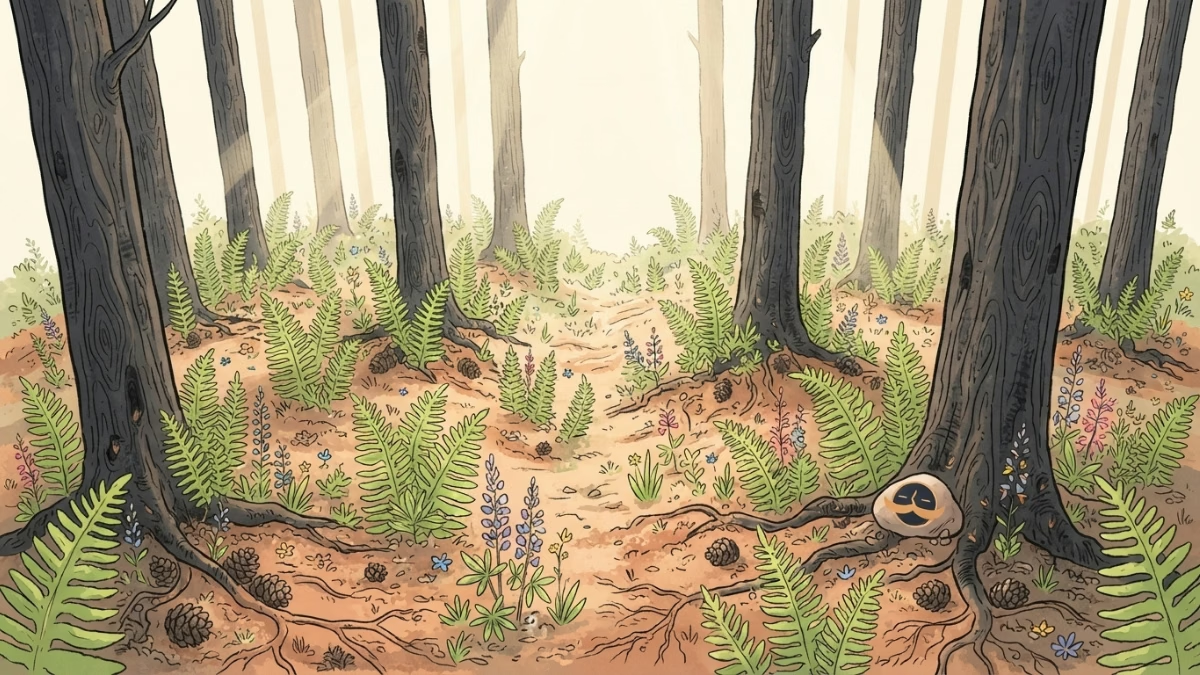
The forest doesn’t see fire the way we do. Where we see destruction, a lot of ecosystems see a long-overdue reset.
Here’s the short version on the benefits of forest fires for ecosystems: low-intensity fires clear dead organic material and push nutrients back into the soil faster than slow decay ever would, which improves soil quality and supports healthier forests, per ScienceDirect. Done right, fire is less a catastrophe and more a janitor. An extremely dramatic, occasionally terrifying janitor.
Key Takeaways
- Controlled burning alone can reduce wildfire severity by up to 62%, and up to 72% when paired with forest thinning, per a Nature Conservancy analysis of 40 studies.
- Low-intensity fires return nutrients to the soil faster than slow decay, improving soil absorption capacity and supporting healthier forests and forage.
- Prescribed fire in southern Appalachian ecosystems increases diversity of plants, small mammals, birds, amphibians, and insects.
- Repeated prescribed burning promotes oak and hickory regeneration in eastern oak forests, per USDA Forest Service research.
- Fire can remove invasive shrubs in grasslands and open forests, letting sunlight reach the ground and encouraging native grasses and wildflowers.
The Right Fire vs. the Wrong Fire
The story most of us grew up with, fire bad, Smokey Bear good, is about half right. Uncontrolled, high-intensity wildfires are genuinely destructive. But there’s a whole other category: prescribed burns and low-intensity fire that have shaped fire-adapted ecosystems for thousands of years. Those are different animals entirely.
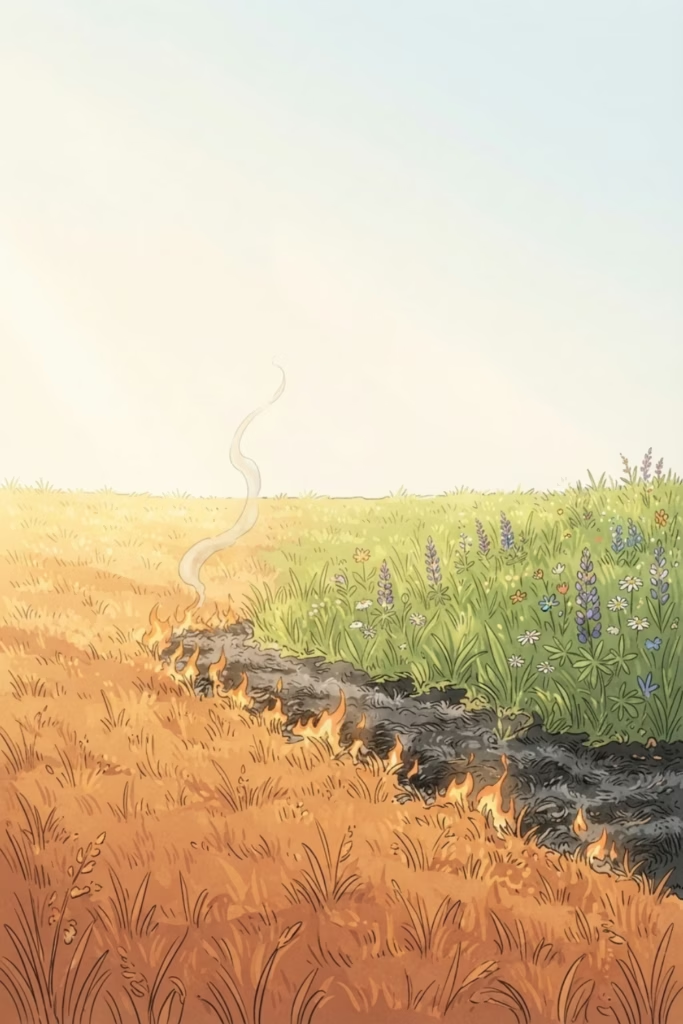
A Nature Conservancy analysis of 40 studies found that controlled burning can reduce the severity of future wildfires by up to 62%. Combine it with forest thinning and that number climbs to 72%. Which is to say: letting the controlled, intentional fire happen now is what keeps the catastrophic one from happening later.
It’s a bit like paying a credit card bill. Slightly annoying in the short term. Very useful compared to the alternative.
What the Benefits of Forest Fires for Ecosystems Actually Look Like
This is where it gets genuinely cool. Prescribed fire in southern Appalachian forests has been shown to increase biodiversity across plants, small mammals, birds, amphibians, and insects, per USDA Forest Service research. Meanwhile, repeated controlled burning promotes oak and hickory regeneration in eastern forests, per USDA, two species that need open, sunlit conditions to get started. Conditions thast, conveniently, a good burn creates. This is forest renewal after fire in action, and the nutrient cycling that drives it is faster than most people expect.
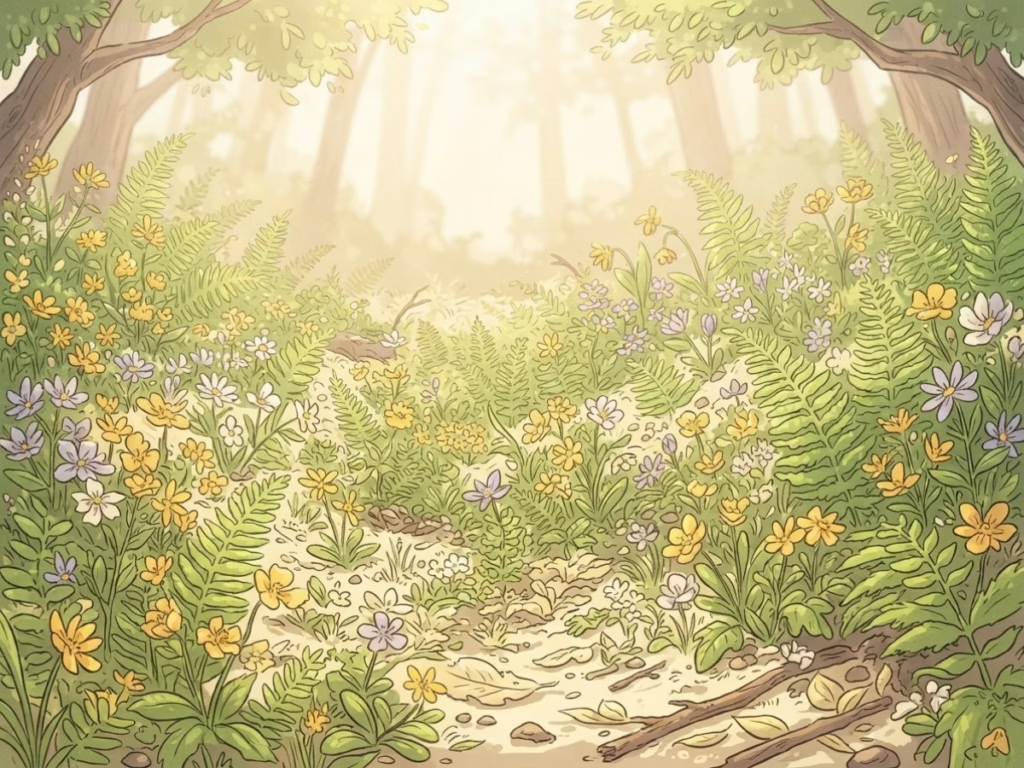
In grasslands and open forests, fire removes invasive shrubs and lets sunlight back to the ground, which native grasses and wildflowers apparently love. And according to the U.S. Fish and Wildlife Service, prescribed fire can rejuvenate marsh plants and benefit waterfowl and amphibians in wetland habitats. The list of winners is longer than you’d expect from something that looks like it’s burning everything down.
Frequently Asked Questions
Are forest fires actually good for the environment?
It depends heavily on the type and intensity. Low-intensity prescribed fires and natural fires in fire-adapted ecosystems can restore soil nutrients, reduce invasive species, and boost biodiversity. The key distinction is between controlled, intentional burning and uncontrolled high-intensity wildfire, which causes far more lasting damage.
The full picture on the benefits of forest fires for ecosystems depends on fire type and intensity, but in fire-adapted ecosystems, the evidence is clear.
How does fire help soil health?
Low-intensity fire clears dead organic material and returns nutrients to the soil faster than gradual decomposition, improving soil absorption capacity and overall soil quality, per ScienceDirect. This supports healthier plant regrowth and makes forests more resilient to drought, insects, and disease.
Can prescribed burns reduce the risk of bigger wildfires?
Yes, and by a substantial margin. A Nature Conservancy analysis of 40 studies found controlled burning alone can cut wildfire severity by up to 62%, rising to 72% when combined with thinning. The logic is simple: less accumulated fuel means a less catastrophic fire when one eventually starts.
Does fire increase biodiversity or destroy it?
In many fire-adapted ecosystems, it increases it. Prescribed burning in southern Appalachian forests has been linked to greater diversity of plants, small mammals, birds, amphibians, and insects, per USDA Forest Service. The initial burn looks rough; what comes back is often richer than what was there before.
The bigger takeaway here isn’t really about fire. It’s that “this looks like destruction” and “this is actually destructive” aren’t always the same thing. Sometimes the thing that looks like a setback is clearing ground for something better. (If you want to read about other counterintuitive things that look like failure but aren’t, the piece on why falling is the point in bouldering goes somewhere similar.)
Today’s actual action: next time you’re in a national forest or park area, look for the scorched patches. Then look at what’s growing in them.
Get The Enough List — free.
Ten minutes, five areas. A short guide for figuring out what enough looks like in money, health, work, people, and time — before you go sprinting at someone else's finish line. Yours when you subscribe.