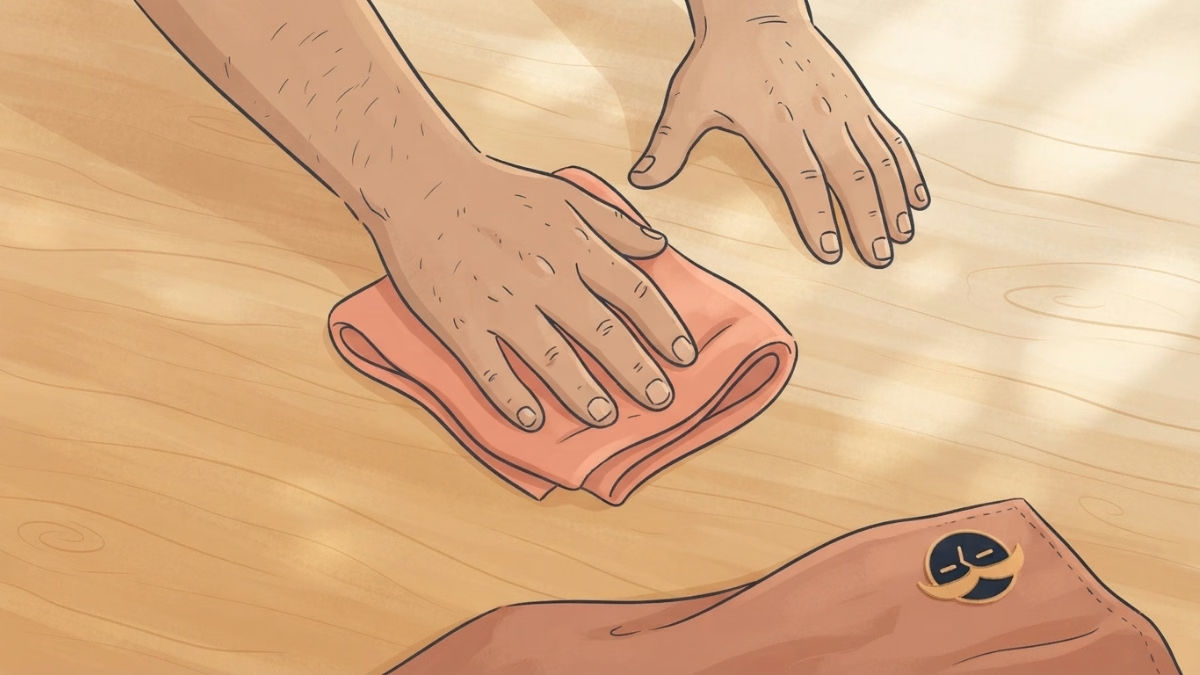
Mr. Miyagi never posted a morning routine. He never talked about his “journey.” He handed Daniel a sponge, pointed at a car, and changed the kid’s life through wax circles. The lessons from Mr. Miyagi aren’t really about karate, they’re a quiet blueprint for getting better at anything without burning yourself down in the process.
Here’s what he actually taught, and why it still holds up.
Key Takeaways
- Mr. Miyagi’s “wax on, wax off” method teaches that repetitive, unglamorous practice builds real skill before results become visible.
- “Never put passion before principle” is a values-first approach to ambition that guards against empty performance and burnout.
- “Balance is key” frames progress as sustainable, action and restraint together, not relentless output.
- “First learn stand, then learn fly” is a direct argument for mastering fundamentals before chasing advanced goals.
- Returning to basics, including breathing and stillness, is Miyagi’s practical answer to feeling overwhelmed or out of focus.
The Lessons from Mr. Miyagi Start With Wax On, Wax Off
The temptation is to reframe “wax on, wax off” as some clever trick for disguising practice as chores. But the real point is simpler and harder: trust boring repetition before you can see the payoff.
Daniel spent days on those drills convinced he was being taken advantage of. That’s the part nobody talks about. The discomfort of doing unglamorous work with no visible return is precisely where most people quit. Miyagi’s lesson is that the results are in there, they just haven’t shown up yet. Commentators on his teaching consistently point to this as hidden-purpose practice: you’re building the thing before you can name the thing.
This is quietly the opposite of hustle culture, which insists the work should feel dramatic and look impressive while you’re doing it. (It should not. Usually it looks like waxing a car.)
“First Learn Stand, Then Learn Fly”
There’s a version of self-improvement where you skip to the interesting part. You sign up for the advanced class, buy the good gear, start planning the summit before you’ve done a single training hike. Miyagi called this out directly: first learn stand, then learn fly.

It maps cleanly to almost anything worth getting good at. Want to build a habit? Don’t optimize it yet, just do it. Want to get better at cooking? Make the same five meals until they’re actually good. The basics aren’t the boring part you get through; they’re the foundation that makes everything else possible. Patience and consistency do the work that intensity can’t sustain.
Tim Duncan built a Hall of Fame career on a bank shot and fundamentals. Same energy.
“Never Put Passion Before Principle”
This one hits differently now. There’s a lot of advice out there that basically says: follow your passion hard enough and the ethics will sort themselves out. Miyagi disagreed. Passion without principle is how people end up grinding toward goals that don’t actually mean anything to them, or worse, ones that cost them something they didn’t mean to spend.
Values-first growth isn’t slower. It’s just honest about the finish line.

Balance Is the Strategy, Not the Reward
“Balance is key” sounds like something on a motivational poster above a break-room coffee maker. But in Miyagi’s model, balance isn’t the thing you earn after the hard work. It’s the method. Action and restraint together. That’s discipline without burnout, not by accident, but by design. Progress without the part where you wreck yourself getting there.

His other oft-quoted line backs this up: when life feels out of focus, return to basics. Breathe. That’s not soft advice, it’s a reset protocol that costs nothing and works immediately. (Better ROI than most supplements, for what it’s worth.)
Frequently Asked Questions
What is the main lesson of “wax on, wax off”?
The main lesson is that repetitive, unglamorous practice builds real skill before the results become visible. The teaching is widely interpreted as hidden-purpose training: you’re developing discipline and muscle memory through boring repetition, trusting the process before you can see the payoff. Most people quit in that gap. That’s the test.
What did Mr. Miyagi mean by “never put passion before principle”?
He meant that values have to come before ambition, not after. This principle is a guard against chasing goals that look impressive but aren’t actually aligned with who you want to be. If the “why” behind your hustle doesn’t hold up to scrutiny, the passion will eventually hollow out.
How does “first learn stand, then learn fly” apply today?
It’s an argument for mastering fundamentals before moving on. The idea is that skipping to advanced goals without a solid base is how people stall out or burn out. Build the foundation first, even when it’s not the interesting part.
Is Mr. Miyagi’s approach relevant to modern self-improvement?
Yes, and arguably more so. Recent commentary from 2024-2025 continues to use Miyagi as a frame for balance, humility, and sustainable progress, specifically as a counter to burnout culture. His model was never about output at any cost. It was about growing in a way you can actually live with.
What did Mr. Miyagi say about handling stress or feeling overwhelmed?
He advised returning to the basics of life, specifically breathing. It’s a grounding technique that predates every wellness app by about forty years, and it’s still the right answer. When everything feels out of focus, the reset is simpler than you think.
Your one thing today: pick one habit or skill you’ve been overcomplicating. Strip it back to the most basic version and just do that. Not the optimized version. Not the impressive version. The boring, foundational one. Wax on.
Get The Enough List — free.
Ten minutes, five areas. A short guide for figuring out what enough looks like in money, health, work, people, and time — before you go sprinting at someone else's finish line. Yours when you subscribe.