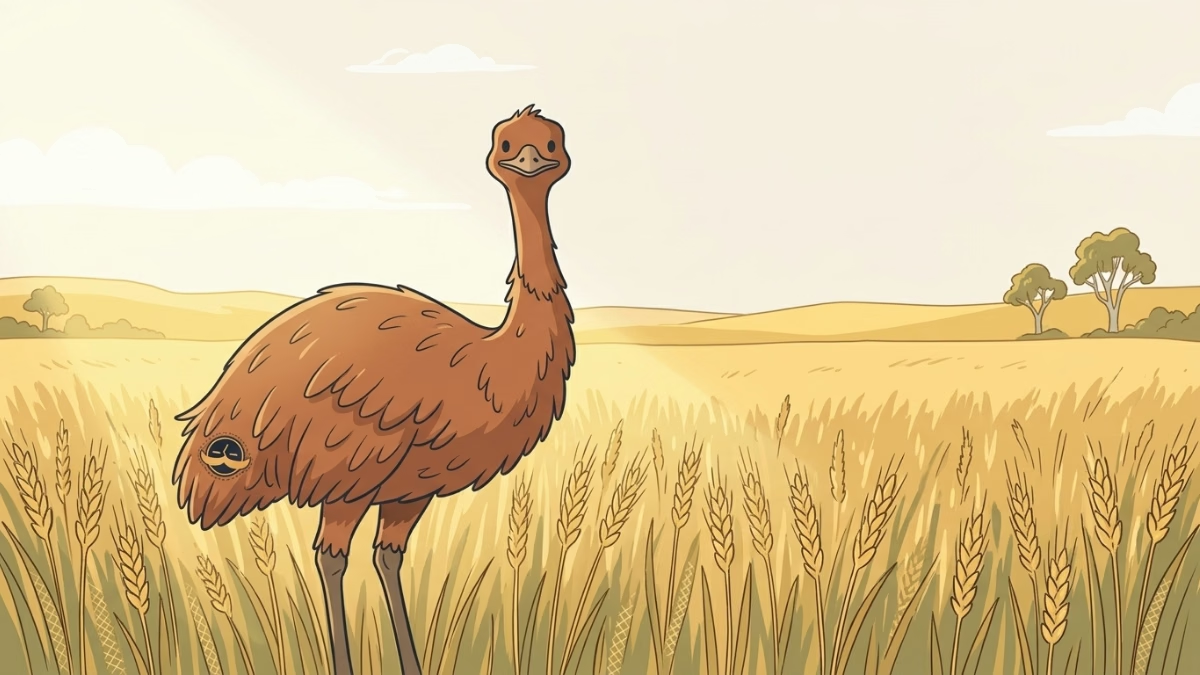
In 1932, Australia sent soldiers armed with machine guns to deal with a flock of emus. The emus won. This is not a metaphor. It literally happened and the lessons from the Great Emu War are more useful than the story sounds.
Here’s the short version: roughly 20,000 emus were raiding wheat crops in Western Australia. The government deployed the military with Lewis guns to handle it. Per Britannica, the campaign failed and the emus were widely described as the victors. A later account puts the numbers at about 900 confirmed kills after more than 2,500 rounds were fired, per Retrospect Journal. The math on that is not great.
Key Takeaways
- In 1932, Australia fired more than 2,500 rounds of ammunition and confirmed only about 900 emu kills, the military campaign was declared a failure.
- The emus effectively won by splitting into smaller groups, making concentrated fire useless, a textbook case of effort without effectiveness.
- The more durable fix was barrier fencing, not firepower, a simpler, less dramatic solution that actually worked.
- By 1999, Australia had moved so far from eradication logic that emus received federal biodiversity protection.
- The core lesson from the Great Emu War: doubling down on a failing plan costs more than switching to a better one.
The Birds Had Better Strategy (Somehow)
The emus didn’t win by being tough. They won by being diffuse. Every time the soldiers set up, the flock scattered into smaller groups, which made concentrated fire almost useless. The military kept trying the same approach and kept getting the same result. (At some point you have to wonder if anyone on the ground said “maybe this isn’t working” out loud, or if they just ordered more ammo.)
This is the part that actually holds up as a lesson in adaptive problem-solving. The wrong tool applied harder is still the wrong tool. Brute force against a dispersed, resilient opponent tends to exhaust the person swinging, not the thing being swung at. The emus were not strategic masterminds. They were just… emus. Which makes the failure more instructive, not less.
What the Great Emu War Actually Teaches You
Here’s the part that gets skipped in most retellings: the problem did eventually get solved. Not with machine guns. With fences. Barrier fencing turned out to be the durable, low-drama solution that firepower couldn’t be, The Collector.
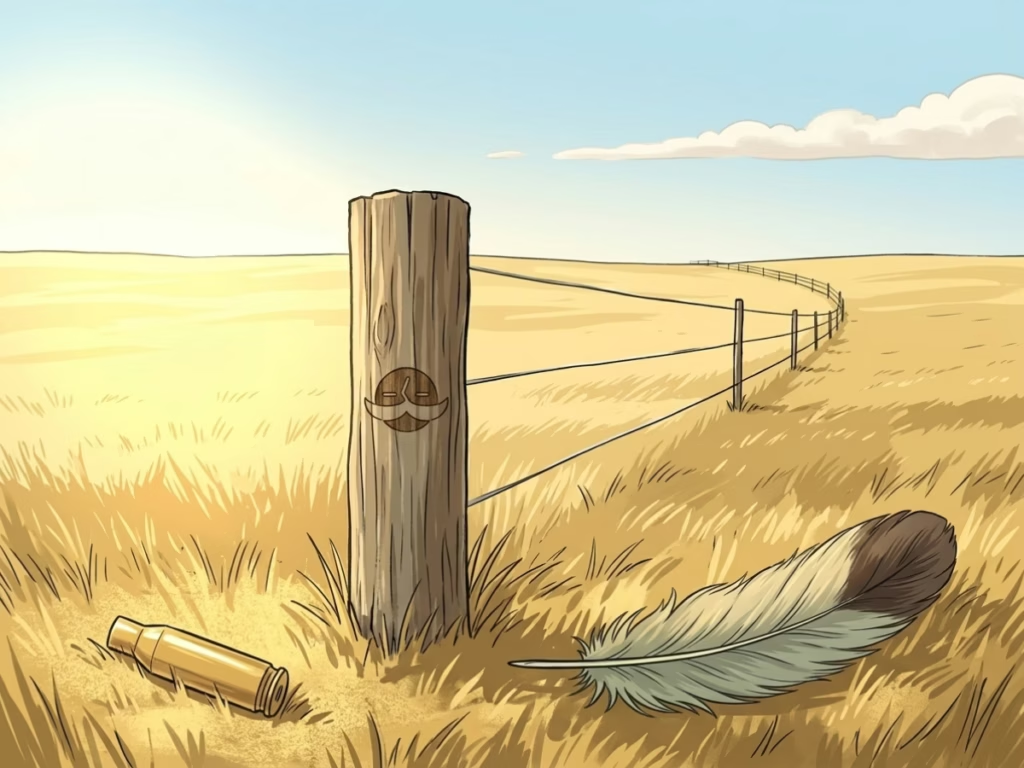
Containment beat eradication. Simpler beat louder.
Australia eventually took this so seriously that by 1999, emus came under federal biodiversity protection, per Sydney Morning Herald. From “deploy the military” to “protected species” in about 67 years. Progress, in the loosest sense of the word.
The lesson isn’t “give up when things get hard.” It’s closer to: know when you’re doubling down on a broken plan versus genuinely pushing through a difficult one. Those feel identical from the inside. They are not the same thing.
Frequently Asked Questions
What was the Great Emu War?
The Great Emu War was a 1932 wildlife management operation (a strange chapter of emu war history) where the Australian military was deployed to cull crop-raiding emus in Western Australia. It ended without achieving its objective, with the emus widely described as the winners.
Why did Australia lose to the emus?
The emus dispersed into smaller groups whenever the soldiers opened fire, which made the Lewis guns largely ineffective, per Britannica. More than 2,500 rounds were fired for roughly 900 confirmed kills, a ratio that made the campaign impossible to justify continuing.
What actually solved the emu problem?
Barrier fencing. It was less dramatic than a military operation and, perhaps relatedly, it worked (The Collector). Containment turned out to be a more durable answer than eradication.
What are the real lessons from the Great Emu War?
The main one is that effort isn’t the same as effectiveness. Firing more rounds at a dispersed problem doesn’t fix the dispersion. The strategic takeaway, stop doubling down and look for a simpler system, applies well outside wildlife management. If you want to go deeper on knowing when “enough” effort is actually enough, this piece on satisficing vs. maximizing is worth five minutes.
Is there a self-improvement angle here, or is this just a weird history story?
Both, honestly. The Emu War is a clean example of what happens when you’re too committed to a plan to notice it’s the wrong plan. That’s not an Australian military problem, that’s a human problem. Anthony Bourdain put a version of this well: you figure things out by doing them, not by insisting harder on a method that isn’t working.
Today’s move: think of one thing you’ve been pushing on that isn’t moving. Not because you’re lazy, because the approach might just be wrong. The emus didn’t care how much ammunition you had. Neither does your problem.
Get The Enough List — free.
Ten minutes, five areas. A short guide for figuring out what enough looks like in money, health, work, people, and time — before you go sprinting at someone else's finish line. Yours when you subscribe.