

Roman engineers moved water for dozens of miles using nothing but gravity and an obsessive commitment to a gentle, consistent downhill slope. No pumps. No motors. Just the right angle, held over enormous distances. That’s the whole trick, and it maps almost perfectly onto how sustainable habits actually work.
The lessons from Roman aqueducts, it turns out, are less about ancient history and more about why your two-week habit streaks keep dying.
Key Takeaways
- Roman aqueducts relied entirely on gravity, using a slight continuous downhill gradient from source to city, no mechanical pumping required, per PMC.
- Most aqueduct channels ran underground or at ground level; the dramatic arched bridges were the exception, not the rule.
- The key engineering challenge was keeping the gradient just right, too steep and water rushed and eroded; too shallow and it stalled.
- Settlement basins were built into the system to let sediment drop out before water continued onward, showing that built-in recovery points are part of good design.
- Settlement basins were built into the system to let sediment drop out before water continued onward, showing that built-in recovery points are part of good design.
The Gradient Was Everything
Roman aqueduct channels were built to maintain a slight continuous drop from the water source all the way to the city, per PMC. Too steep and the water rushed, eroding the channel. Too shallow and it stalled. The whole system depended on finding the just-right slope and holding it, sometimes for dozens of miles.
Where terrain got in the way, valleys, hills, rock formations, they didn’t abandon the gradient. They built bridges, tunnels, and siphons to preserve it, per PMC. The goal was always: keep the slope. Everything else was just problem-solving in service of that.
Here’s the part that gets quietly buried in every Roman aqueduct explainer: most of the channel ran underground or at ground level, per PMC. The grand arched viaducts, the ones you’ve seen in documentaries and on Italian tourism posters, were actually the smaller portion of the system. The real work happened out of sight. Boring, covered, maintained, invisible.
(The Pont du Gard in France is stunning, but it was a brief fix for a valley crossing, not the whole game plan.)
The Lessons from Roman Aqueducts That Actually Apply to You
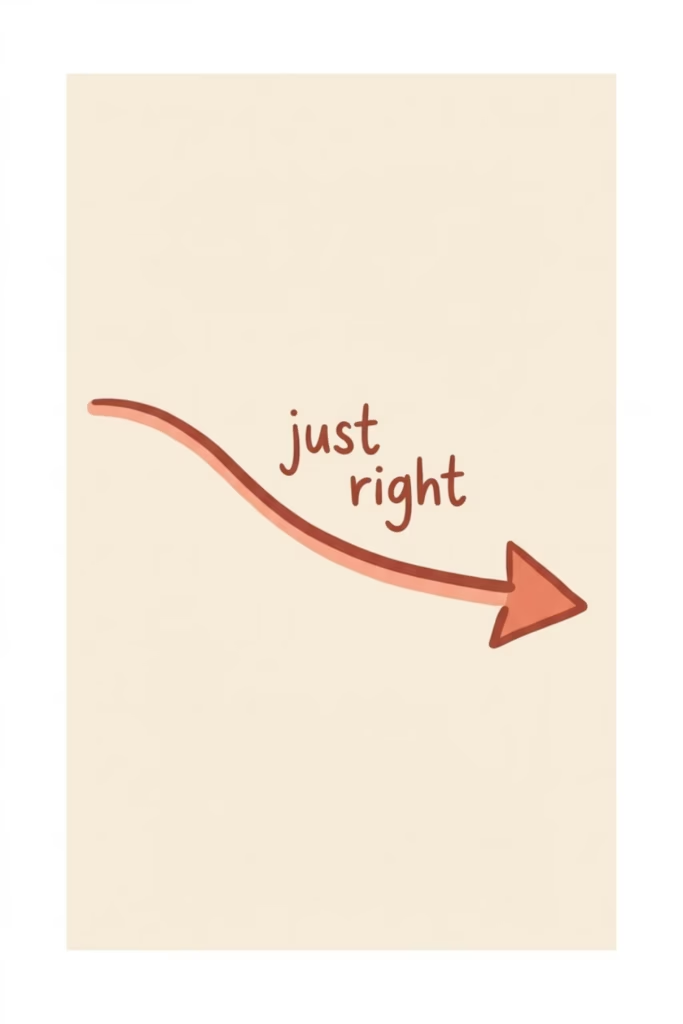
If you’ve ever gone hard on a habit for two weeks and then completely disappeared on it, you already understand what happens when the gradient is wrong. Too steep. Water rushed, eroded, stopped.
The Romans didn’t build for glory moments. They built for continuous flow. Settlement basins were installed along the route so sediment could drop out before water moved on, per LiveScience. Basically, they designed recovery into the system from the start. If your habit plan has no room for a bad week, it’s a channel with no basin. It clogs.
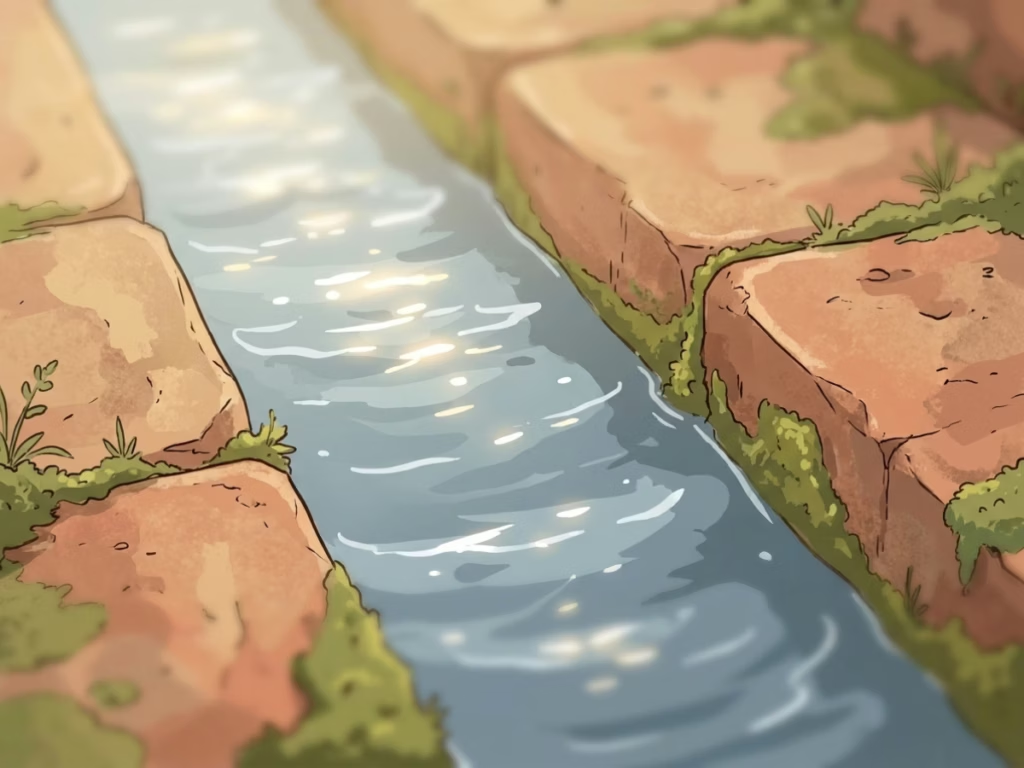
The sustainable version of almost any goal looks less like a highlight reel and more like a covered underground channel: unglamorous, consistent, and quietly effective for decades. For more on building systems that hold up when motivation doesn’t, the if-then planning method is worth a look.
Frequently Asked Questions
The lessons from Roman aqueducts come into focus fastest in Q&A form, so here’s the short version.
How did Roman aqueducts move water without pumps?
Entirely through gravity, engineers maintained a slight, continuous downhill gradient from the water source all the way to the city, per PMC. The challenge wasn’t raw power; it was precision. Keeping that slope consistent over dozens of miles was the hard part.
Were Roman aqueducts mostly the big arched bridges?
Not at all. Most of the channel was built underground or at ground level; the famous arched viaducts were used only where terrain made a ground-level route impossible, per PMC. The Pont du Gard is iconic, but it’s the exception, not the standard design.
What happened if the gradient was wrong?
Too steep and the water flowed too fast, eroding the channel walls. Too shallow and it stalled entirely. The engineers’ job was finding the just-right slope and maintaining it, which is genuinely harder than it sounds over long, varied terrain, per AVEVA.
What were settlement basins used for?
Settlement basins were built into the aqueduct system so sediment could sink before water moved on to distribution tanks, per LiveScience. Think of them as intentional pause points, built-in recovery baked into the design, not an afterthought.
One thing you can do today: pick one habit you’ve been running too hot or too inconsistently, and ask what a sustainable gradient actually looks like for it. Not the heroic version. The version that flows quietly for two years.
Get The Enough List — free.
Ten minutes, five areas. A short guide for figuring out what enough looks like in money, health, work, people, and time — before you go sprinting at someone else's finish line. Yours when you subscribe.

Thoughts?