
If you’ve ever Googled how to decompress after a stressful day and ended up more stressed by the advice, this is the shorter version.
You walk through the door still mentally drafting a reply to an email nobody is waiting on. An hour later you’re at dinner, half-present, running the same loop. That’s what a missing decompression routine looks like, and the fix is genuinely boring, which is kind of the point.
Here’s the short version: a 10-minute wind-down after work needs exactly three things. A hard stop, a light physical reset, and a one-sentence brain dump. That’s it. No app, no cold plunge, no tuning into a podcast about optimizing your cortisol.
Key Takeaways
- The CDC recommends deep breathing, stretching, journaling, and time outdoors as core stress-management tools, all free, all under 10 minutes.
- Georgia Tech’s 2024 microbreaks research supports short post-work recovery breaks as a meaningful part of the work-recovery process.
- A decompression routine works not because it feels amazing, but because it signals to your brain that the workday is genuinely over.
- Progressive muscle relaxation, tense each muscle group for 5 seconds, release for 30, is a low-effort physical reset that requires zero equipment.
- Passive scrolling after work is not rest; it keeps the nervous system in reactive mode and delays actual recovery.
Why “Just Relax” Doesn’t Work
Your brain doesn’t get the memo that work is over unless you send it one. Flopping on the couch and scrolling keeps the nervous system in the same reactive mode it was in all day, you’re just swapping one screen for another (not exactly a bold evolutionary leap).
The CDC recommends giving yourself actual permission to unwind: deep breathing, stretching, stepping outside, keeping a journal, and specifically taking breaks from news and social media as part of managing stress. Georgia Tech’s 2024 research on microbreaks backs the broader idea that short post-work recovery breaks are a real part of the work-recovery process, not just something soft people do.
None of that requires a subscription. It requires about ten minutes and the willingness to look slightly weird standing in your living room taking a slow breath.
How to Decompress After a Stressful Day: The 3-Step Routine
Minutes 1-2: Hard stop.
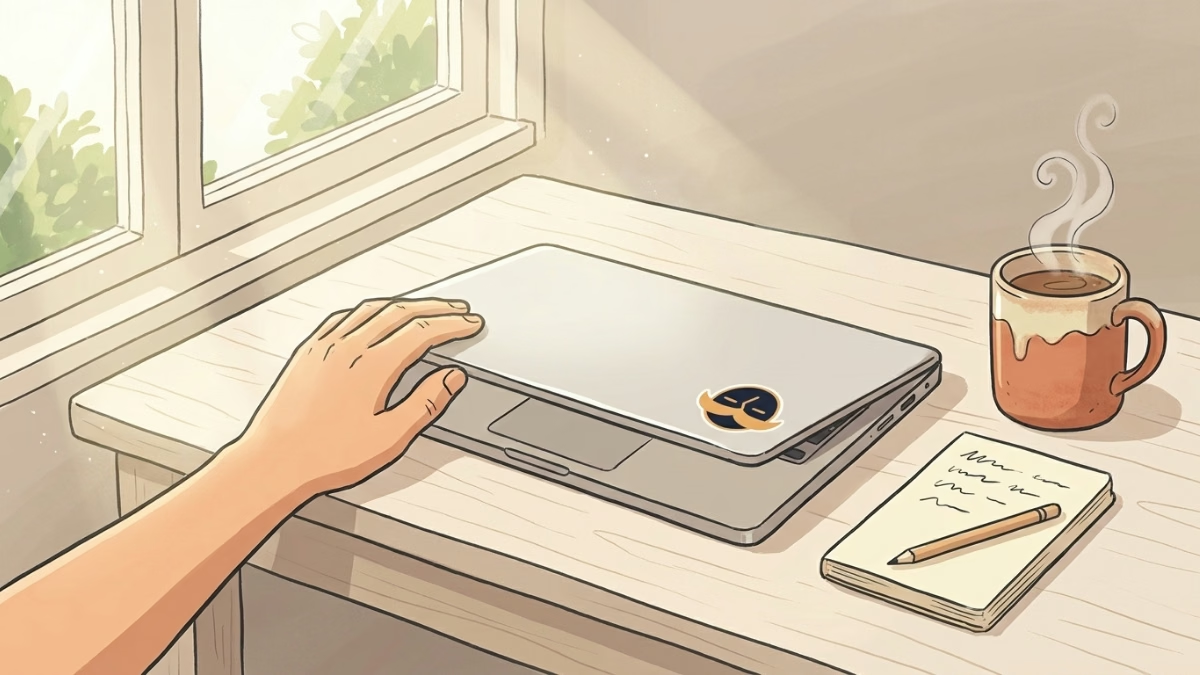
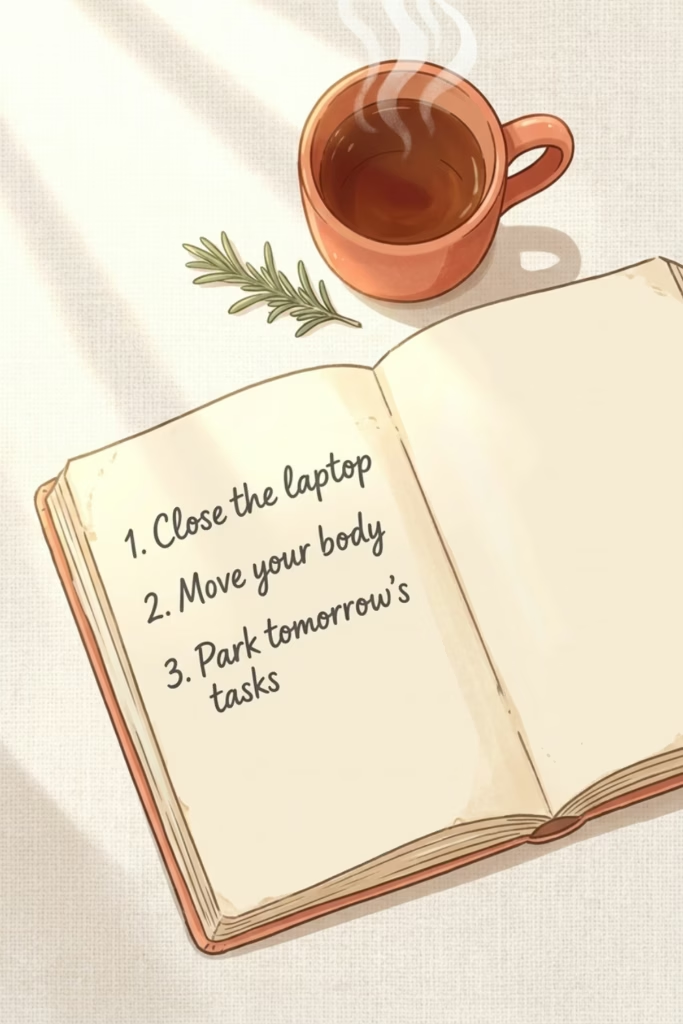
Close the laptop. If you work from home, physically leave the room, your brain associates the space with work and will keep generating work thoughts as long as you’re sitting in it. Put your phone face-down. This part feels unnecessarily dramatic, but it actually works.
Minutes 3-6: Light movement.
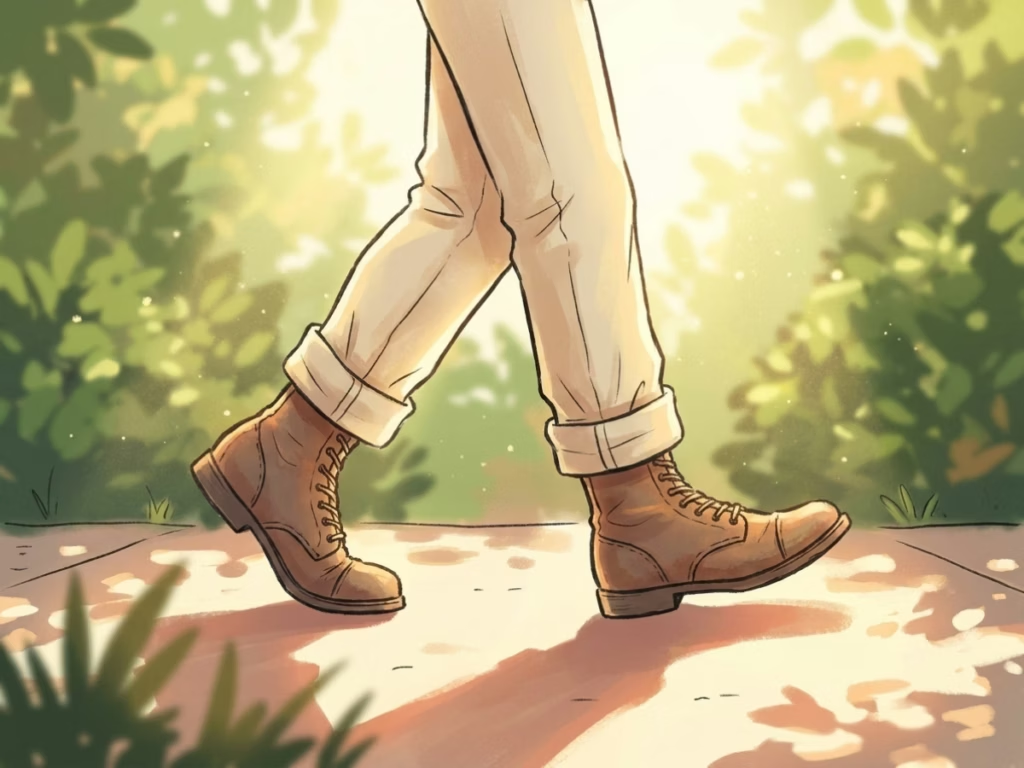
A short walk is the highest-yield option here. Even 10 minutes outside shifts things (and the research on daily walking is worth a look). If you can’t get outside, progressive muscle relaxation is genuinely underrated: tense each muscle group for about 5 seconds, then release for 30, working from your feet up. It’s the stress-relief equivalent of rebooting a frozen laptop. The University of Utah Extension has a straightforward breakdown of this if you want the full method.
Minutes 7-9: Brain dump.
Write down tomorrow’s top two or three tasks. One sentence. The goal isn’t planning, it’s parking. Your brain keeps spinning on unfinished things because it’s afraid of losing them. Write them down and it stops. (Journaling works, the research and the anecdotal evidence both point the same direction on this one.)
Minute 10: One sensory cue.
Dim the lights, make tea, change your clothes. Something that signals different mode now. Pavlov was onto something, even if he was famously annoying to his dogs.
Frequently Asked Questions
How do I decompress after a stressful day in under 10 minutes?
Combine a clear stop signal (close the laptop, put the phone down), two to four minutes of light movement or deep breathing, and a quick brain dump of tomorrow’s tasks. The CDC recommends breathing, stretching, and journaling as practical, no-cost stress-management tools. The sequence doesn’t need to be elaborate, it needs to be consistent.
Is scrolling on my phone a good way to wind down after work?
It’s really not. Passive scrolling keeps your nervous system in reactive mode, which is the opposite of recovery. Mind’s relaxation guidance specifically includes screen breaks alongside breathing and gentle movement as tools that actually help, per Mind. Boring alternatives, a walk, a shower, analog reading, tend to work better.
What is progressive muscle relaxation and does it actually help?
It’s a simple technique where you tense a muscle group for around 5 seconds and then release for about 30, moving through your body from feet to face. It’s low-effort, costs nothing, and gives the physical side of stress somewhere to go other than your shoulders being permanently up around your ears.
What if I work from home and can’t separate work from evening?
A physical transition matters more, not less, when your commute is twelve steps to the kitchen. Leave the room you work in, change your clothes, or take a short walk outside. That physical shift does a lot of the work your commute used to do, the phone-down walking reset is worth reading if you want a version that doubles as a brain break.
Does a decompression routine actually affect sleep?
The mechanism is straightforward: stress you carry into the evening tends to follow you into bed. A 2026 evening-routine guide recommends closing the loop on tomorrow’s tasks, dimming lights, and reducing physical tension as a sequence that supports better sleep, per The Sleep Consultant. Ten minutes of decompression at 6pm is a better sleep investment than anything you’d do at 11pm.
Tonight, the one move: close whatever work-related tab is still open, go outside or change rooms, and write down two things you need to do tomorrow. That’s how to decompress after a stressful day, in ten minutes or less. It’s almost aggressively undramatic. That’s exactly why it works.
Get The Enough List — free.
Ten minutes, five areas. A short guide for figuring out what enough looks like in money, health, work, people, and time — before you go sprinting at someone else's finish line. Yours when you subscribe.
Thoughts?