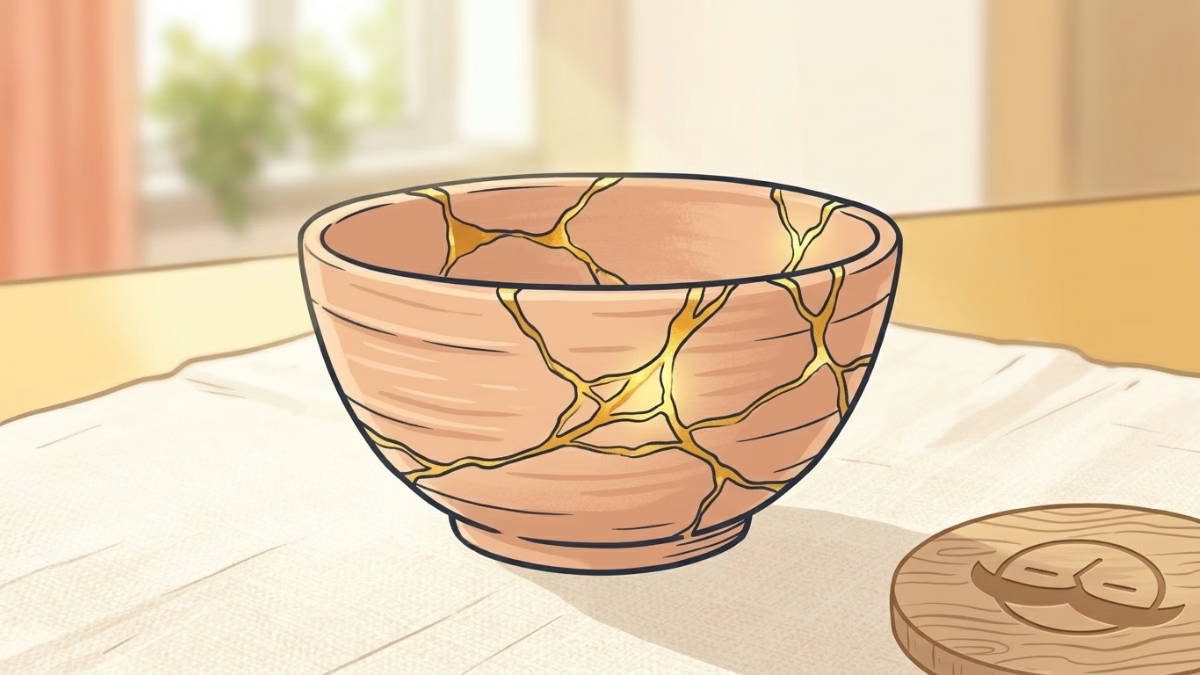
If you’ve been wondering what is kintsugi philosophy, the short answer is this: broken pottery gets filled with gold, and the result is worth more than the original.
Broken pottery gets filled with gold, and the result is worth more than the original. That’s kintsugi in one sentence, and it’s the kind of idea that sounds like a motivational poster until you actually sit with it.
Key Takeaways
- Kintsugi (literally ‘golden joinery’) repairs broken ceramics using urushi lacquer mixed with gold, silver, or platinum powder, per Wikipedia.
- The philosophy treats breakage as part of an object’s history, not a defect, scars become the most striking feature of the finished piece.
- Kintsugi is also called kintsukuroi (‘golden repair’), emphasizing renewal over simple restoration.
- The practice embodies a sustainability ethic by keeping objects in use rather than discarding them, countering modern throwaway culture.
- Kintsugi is closely tied to the broader Japanese aesthetic of wabi-sabi, which finds beauty in things that are imperfect, aged, and worn. It’s a connection worth sitting with even if it’s harder to pin to a single source.
What Is Kintsugi Philosophy, Exactly?
Kintsugi (literally “golden joinery”) is the Japanese art of repairing cracked or shattered ceramics using urushi lacquer mixed with powdered gold, silver, or platinum, per Wikipedia). The technique is also called kintsukuroi, meaning “golden repair,” which puts the emphasis on renewal rather than just fixing something so it holds water again.
The philosophy behind it is what makes it interesting. Instead of hiding the damage, kintsugi makes it the centerpiece. Every crack gets a gold seam. The repair becomes the most striking thing about the object. BBC Travel framed it as “Japan’s ancient art of embracing imperfection” and positioned it as a philosophy for building resilience.
Why Broken Isn’t the Same as Ruined
Here’s the part of the kintsugi philosophy that actually lands differently the older you get: kintsugi treats breakage and repair as part of an object’s history, not as flaws to erase, per Veltra. The bowl that fell off the shelf and got pieced back together has a story the unbroken one doesn’t.
Most of us were raised to hide the cracks.
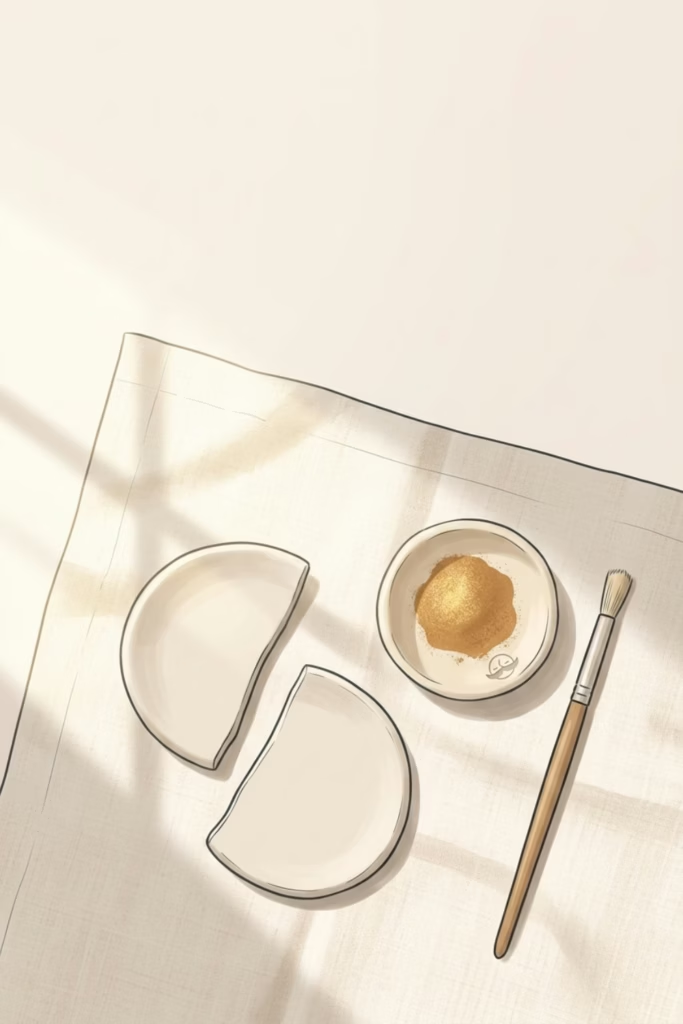
Patch them with something flesh-colored and hope nobody notices. Kintsugi is the opposite move entirely. It says the repair IS the object now, and the object is better for it.
That’s not hustle-bro “what doesn’t kill you” stuff (we’ve all heard enough of that). It’s quieter than that. It’s closer to: you went through something, it changed you, and that’s okay.
There’s a connection here to the Japanese aesthetic of wabi-sabi, which finds beauty in things that are imperfect, aged, and worn. A perfectly smooth, factory-fresh bowl is fine. The one with gold veins running through it where it once shattered is the one people stop and admire.
The Sustainability Angle Nobody Mentions
One thing most kintsugi articles skip is the sustainability philosophy baked into the practice itself. This is a 500-year-old anti-waste tradition. The whole point is keeping objects in use rather than throwing them out when they break, japanphilo.com. That runs directly counter to the modern habit of replacing anything that isn’t perfect anymore.
A cracked mug goes in the bin.

A kintsugi mug gets gold and becomes a conversation piece. That’s a genuinely different relationship with the things you own, and, if you want to stretch the metaphor (and I do), with the versions of yourself you’ve already been.
If you’re thinking about how past failures actually shape who you are now, the piece on the brain’s default mode network is worth a look. Turns out your brain is doing a lot of kintsugi-style processing when you’re not even paying attention.
Frequently Asked Questions
What is the kintsugi philosophy in simple terms?
Kintsugi holds that breakage and repair are part of an object’s history, not flaws to conceal. Rather than hiding damage, the technique fills cracks with gold so the repair becomes the most visible and beautiful feature. The philosophy encourages seeing failure and recovery as something that adds value, not subtracts it.
What is the difference between kintsugi and kintsukuroi?
They refer to the same practice. Kintsugi means “golden joinery,” while kintsukuroi means “golden repair”, per Wikipedia. Kintsukuroi puts slightly more emphasis on renewal and transformation, but both describe the same technique of mending ceramics with lacquer and precious metal powder.
How does kintsugi connect to wabi-sabi?
Kintsugi grows out of the broader Japanese aesthetic of wabi-sabi, which finds beauty in imperfection, age, and wear. Where wabi-sabi accepts imperfection as it is, kintsugi goes a step further and actively celebrates it by making the damage the most striking part of the repaired object.
What does kintsugi teach about failure?
Kintsugi teaches that failure and setbacks are part of an object’s, or a person’s, full story, not evidence that something is worthless, per Millennium Gallery. The repair doesn’t erase what happened. It makes what happened visible and, in the right light, beautiful. That’s a pretty useful frame for anyone who’s been through something hard and is trying to figure out what to do with it.
Is kintsugi just an art technique or an actual philosophy?
Both, genuinely. The technique is real, using urushi lacquer and powdered gold, silver, or platinum to mend ceramics, Wikipedia. But the philosophy is the part that traveled. It’s a cultural framework for embracing imperfection, honoring the past, and finding that what’s been broken and carefully repaired can end up more valuable than what was never broken at all.
Today’s move: find one thing you’ve been treating as ruined because it got damaged, whether that’s a habit, a project, or just how you think about a rough patch you went through. Write one sentence about what the “gold seam” in that story actually looks like. You don’t have to share it with anyone. Just take 5 minutes and look at it from a different perspective. Bonus: No lacquer required.
Get The Enough List — free.
Ten minutes, five areas. A short guide for figuring out what enough looks like in money, health, work, people, and time — before you go sprinting at someone else's finish line. Yours when you subscribe.