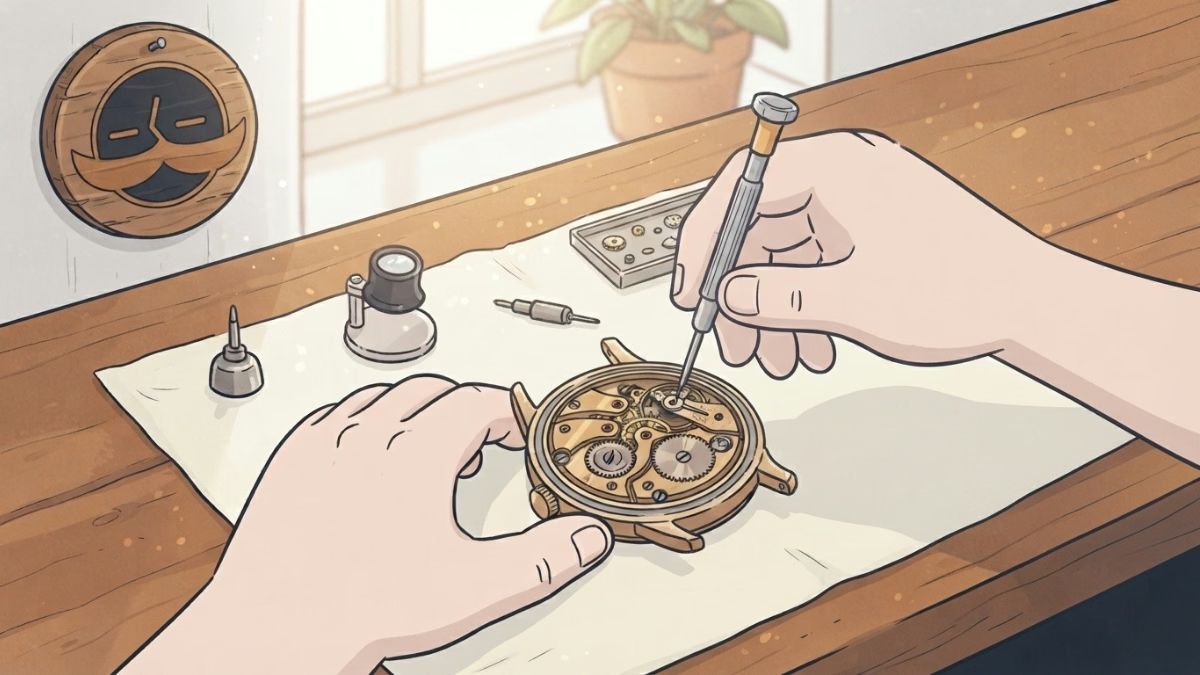
The most important thing a watchmaker ever said had nothing to do with gears. It was this: be patient with a vintage watch, because even a great watch may lose a few minutes a day, per The Watch: The Art and Craft of Watchmaking.
That’s not a flaw. That’s the deal. And if you can make peace with that, you’ve learned something genuinely useful about how to play the long game. Watchmaking is one of the oldest lessons on patience from history, and it earns that reputation the hard way.
Key Takeaways
- A good vintage watch may still lose a few minutes a day, meaning patience is a maintenance requirement, not a personality trait.
- Watch repair ‘can be a lengthy process,’ so even small objects demand long-term thinking, not quick fixes.
- A collector’s rule of thumb: ask ‘Would I still want this six months from now?’ before buying, a test that works for almost any major decision.
- Patience in watchmaking is practical, not poetic: impulse decisions cost more in the long run than the wait ever does.
The Craft That Refuses to Be Rushed
Watchmaking is one of the oldest lessons on patience from history, and it earns that reputation not by being romantic but by being stubborn. Mechanical watches don’t care that you’re in a hurry. Repair work can be a lengthy process, per The Watch. Sending a piece back to the manufacturer often means shipping it to Europe and waiting. (Not the fun kind of waiting, like before a holiday. The kind where you check your email twice a day for six weeks.)
There’s no shortcut. Trying to change a battery yourself risks scratching the case or damaging the seal, per The Watch. The craft punishes impatience in small, expensive ways, which is honestly a pretty efficient teacher.
Most of us don’t have that feedback loop in daily life. We make an impulsive call, and the consequences show up six months later wearing a disguise.
The Six-Month Test
Here’s the move that stuck with me. A collector’s guide recommends asking one question before buying any watch: “Would I still want this six months from now?”, per European Watch Company. Not “does it feel exciting today?” Today is a terrible judge. Today bought me a three robot vacuums and a jacket that was definitely cooler in the store.

The same guide puts it plainly: “There are always more watches.” The one you’re breathlessly eyeing right now will still exist next month. The urgency is manufactured. The regret, if you skip the pause, is real.
That question scales way beyond watches. Career move, big purchase, new project, moving city. Would you still want it six months from now? If yes, it’s probably worth pursuing. If you have to think hard about it, you have your answer already.
This is exactly what the ramen-before-the-Michelin-star principle is about: slow down, prove the concept, then commit.
Accepting Slow Systems Is a Skill
The real lesson from watchmakers isn’t “work harder” or “be more disciplined.” It’s quieter than that. It’s: some systems are built to run slow, and fighting that costs you more than accepting it. Artisans figured this out long before the phrase ‘slow living’ existed. The work sets the pace, not the worker.
A vintage watch loses a few minutes a day. A good habit takes months to feel natural. A skill worth having takes years to develop.

Marcus Aurelius spent years writing notes to himself that nobody was supposed to read. He wasn’t building a brand. He was building a person.
The watchmaker accepts imperfect results and stays committed to the larger process. That’s not resignation. That’s the whole game.
Frequently Asked Questions
What does watchmaking teach about patience?
Watchmaking teaches that patience is a practical skill, not just a mindset. Even a great vintage watch may lose a few minutes a day, per The Watch: The Art and Craft of Watchmaking, and repair work can be a lengthy process. The craft rewards people who accept slow systems rather than fight them.
What is the “six-month test” for decision-making?
It’s a question collectors use before buying a watch: “Would I still want this six months from now?”, per European Watch Company. If the answer is yes, you probably want it for real reasons. If you hesitate, the excitement is likely just novelty. It works for almost any significant decision, not just watches.
Why is patience important in historical crafts like watchmaking?
Historical crafts like watchmaking developed over centuries because the work couldn’t be automated without losing quality. Shortcuts in watch repair, like changing a battery yourself, can damage the case or compromise the seal, per The Watch. The long timeline isn’t a bug; it’s what makes the result worth having.
How do you apply watchmaker patience to everyday life?
Start by identifying where you’re fighting slow systems instead of working with them. Building a skill, changing a habit, or making a big decision all have natural timelines. Accepting imperfect early results, like a watch that loses a minute a day, is what keeps you in the process long enough for it to pay off.
One thing you can do today: pick one decision you’ve been rushing or avoiding, and ask the six-month question. Write the answer down. You probably already know what it is.
The watchmaker’s lesson is one of the oldest lessons on patience from history: some systems run slow, and that’s the whole point.
Get The Enough List — free.
Ten minutes, five areas. A short guide for figuring out what enough looks like in money, health, work, people, and time — before you go sprinting at someone else's finish line. Yours when you subscribe.