That thing you do because you like doing it, hobbies with no purpose attached, turns out to be exactly what the research keeps pointing at.
A 16-country study summarized by Nature Medicine found that hobby engagement was associated with fewer depressive symptoms, better self-reported health, more happiness, and higher life satisfaction. Across sixteen countries. That’s not a fluke, that’s a pattern. And the hobbies doing the work aren’t the ones with a monetization strategy.
Key Takeaways
- A 16-country analysis found hobby engagement was associated with fewer depressive symptoms, more happiness, and higher life satisfaction across cultures.
- People with hobbies reported better health and fewer depressive symptoms than people without hobbies, per a 2024 Harvard Health summary.
- A 2025 review defines a hobby specifically as an activity done for pleasure without professional or financial gain, the “uselessness” is a feature, not a flaw.
- People doing arts and crafts scored higher in happiness and life satisfaction than nonparticipants in a 2024 study summary on creative hobbies.
- The best hobby for a burnout season is the one with the lowest obligation, cheap, noncompetitive, and impossible to turn into a side hustle.
Why Hobbies With No Purpose Actually Work
A 2025 review defines a hobby as a regular activity done for pleasure, in your own time, without professional or financial gain, per Taylor & Francis Online. That last part matters. The second a hobby has stakes, a client, a follower count, a revenue target, it stops being a hobby and starts being a second job. And you probably didn’t take this tab looking for a second job.
The mental benefit comes specifically from the lack of obligation. Your brain gets a genuine off-switch. No performance review. No optimization.
Just you, a thing you like, and no one grading it. A 2024 Harvard Health summary backs this up: people with hobbies had better health, more happiness, fewer depressive symptoms, and higher life satisfaction than people without them, per Harvard Health.
(The hustle-bro internet will tell you to turn every interest into income. That’s one way to ruin every interest you have.)
The One Filter That Actually Helps
If you’re trying to find a hobby and keep abandoning the search, you’re probably overthinking the fit and underthinking the friction. Here’s a simpler question: what’s your season? Because the right low-pressure hobby for adults in a burnout season looks nothing like the right hobby for someone with energy to burn.
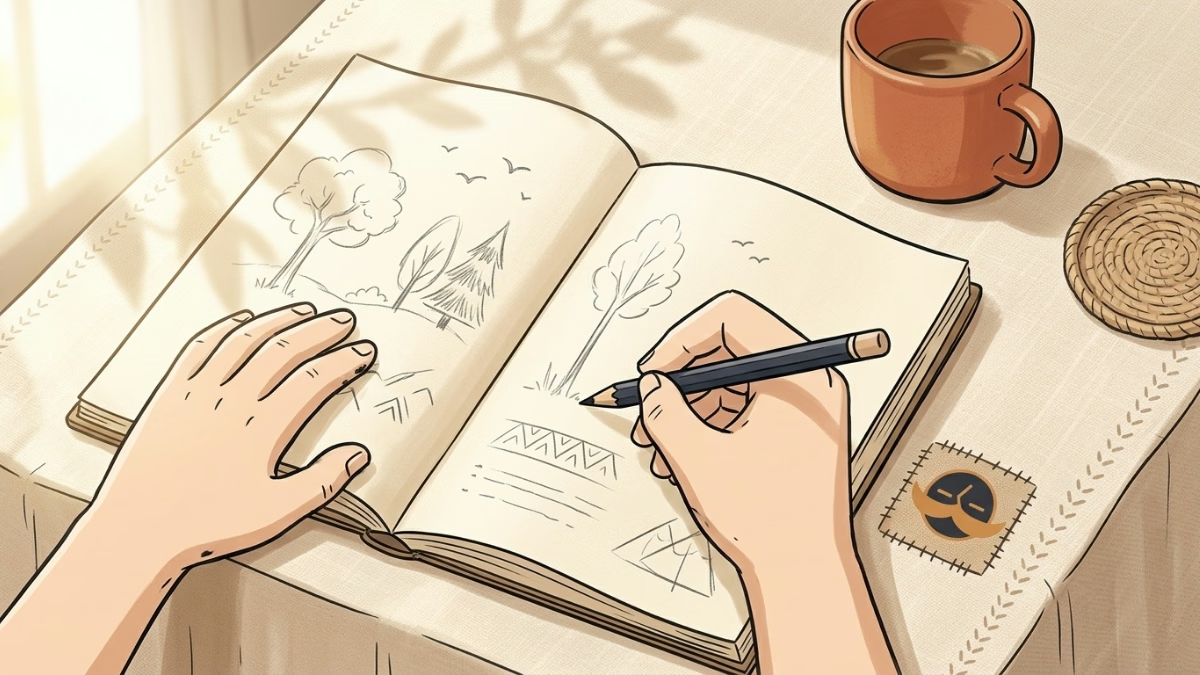
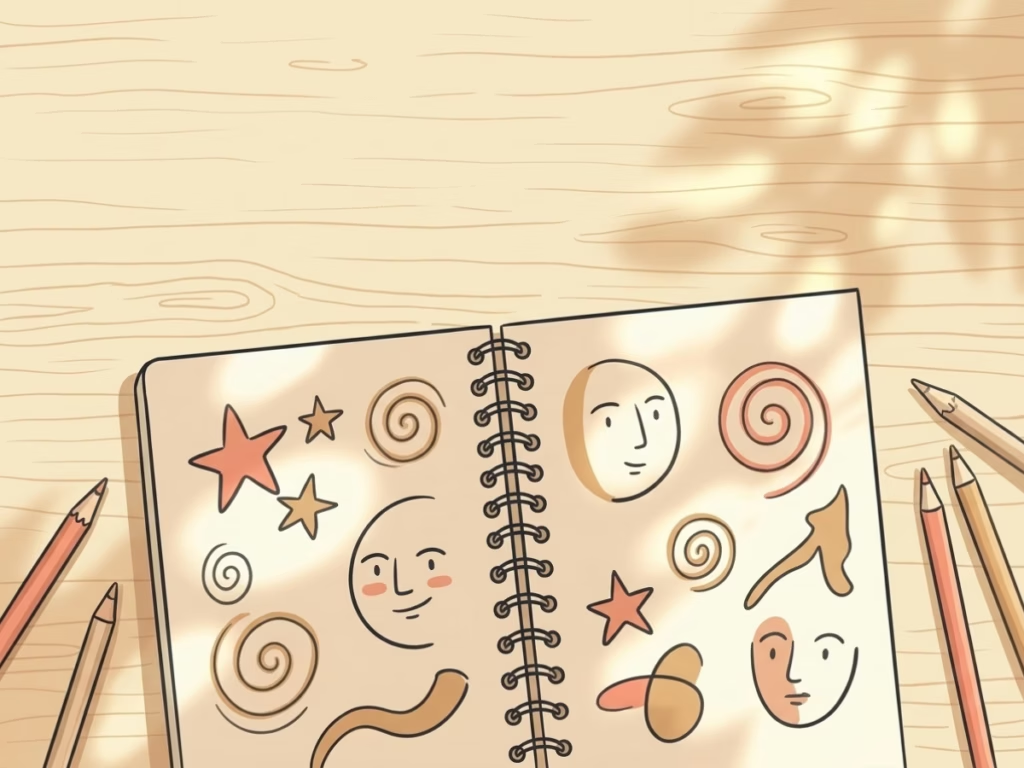
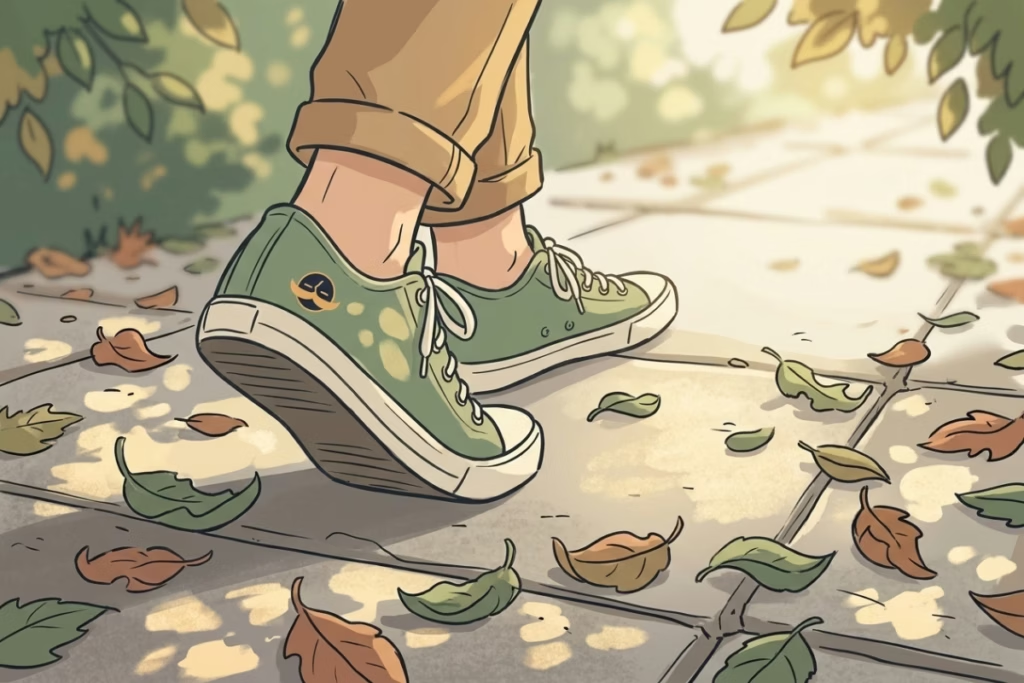
Burnout season is exactly when hobbies with no purpose do their best work. Think sketching badly in a notebook, walking routes you’ve never tried, or learning to bake a loaf of bread that will almost certainly embarrass you. A 2024 study summary found that people doing arts and crafts scored higher in happiness, life satisfaction, and the sense that life is worthwhile than nonparticipants (CNN). You don’t have to be good. You just have to show up.
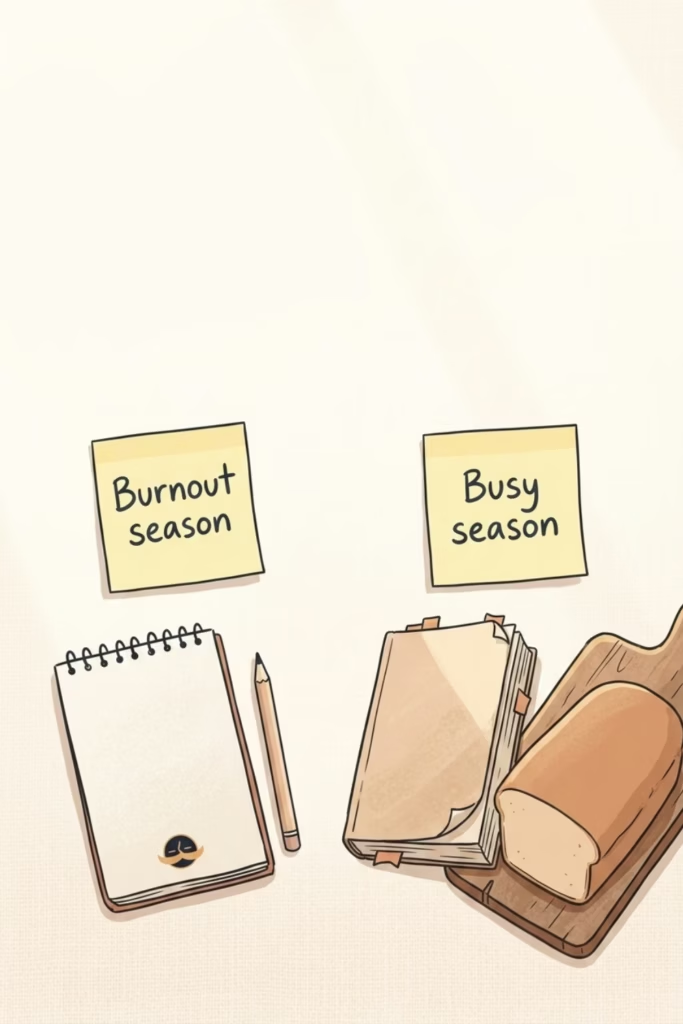
Busy season (new job, new kid, two hours a week to yourself) calls for something with zero ramp-up. Reading. A walk. Cooking one genuinely nice meal for yourself, not for content, not for anyone else, just because you deserve a meal that took effort. These count. Don’t let anyone tell you otherwise.
The bad news: there’s no universal list of correct hobbies. The good news: the bar is genuinely low. Regular, pleasurable, yours.
Frequently Asked Questions
Do hobbies actually improve mental health, or is that overstated?
The evidence is pretty consistent. A 16-country analysis found hobby engagement was associated with fewer depressive symptoms, better self-reported health, and higher life satisfaction, per Nature Medicine. The same study found that increased hobby engagement predicted later improvements in wellbeing, meaning it’s not just a correlation, there’s a directional relationship.
What counts as a hobby if I’m not sure I have one?
A 2025 review defines it as any regular activity done for pleasure in your own time, without professional or financial gain, per Taylor & Francis Online. That’s a wide net. If you do it consistently, you enjoy it, and nobody’s paying you for it, it counts.
What are some good hobbies with no purpose or competitive angle?
Sketching, baking, walking new routes, reading, jigsaw puzzles, gardening, woodwork, listening to music you haven’t heard before. Basically: anything you can do badly for years without it mattering. Those are the good ones. If you’re in a burnout recovery stretch, the lower-friction the better.
Should I pick a hobby that teaches me a skill?
Only if that’s genuinely motivating to you. The research doesn’t reward skill-acquisition, it rewards engagement. Finishing last is fine. Showing up is the whole game.
What if every hobby I try feels like another obligation?
That’s the hustle-brain problem, and it’s fixable. The fix is permission: you’re allowed to be bad at something and not improve. Pick something with zero social proof attached, no Instagram-able output, no way to compare yourself to others. Do it once. See how it feels.
Here’s your one thing to do today: write down three activities you’ve done in the past that had no point whatsoever. Not productive. Not impressive. Just enjoyable. One of those is probably your purpose-free hobby. Pick the one with the lowest barrier to entry and do it for twenty minutes this week before you talk yourself out of it.
Get The Enough List — free.
Ten minutes, five areas. A short guide for figuring out what enough looks like in money, health, work, people, and time — before you go sprinting at someone else's finish line. Yours when you subscribe.