
‘Better’ is a moving target. The moment you hit it, it relocates, quietly, without announcing itself, and suddenly good isn’t good anymore, it’s just the new baseline. If you’re trying to figure out how to be happy with what you have, that’s the first thing worth knowing: the problem usually isn’t what you have. It’s that the standard keeps rising before you get the payoff.
Key Takeaways
- The NHS identifies connecting with people, staying physically active, and learning new skills as concrete, evidence-based ways to improve happiness.
- Comparison is the engine that keeps ‘good’ from ever arriving, shifting focus to relationships and gratitude is one of the most practical ways to break the cycle.
- Contentment is not the same as giving up; it’s choosing a finish line before you start running so you actually get to cross it.
- A simple end-of-day gratitude habit, writing down a few things that worked, is one of the most commonly cited tools for reducing the comparison trap.
- Defining your own ‘enough’ protects your time, money, and attention from being spent on upgrades that don’t improve your actual daily life.
The Goalpost Has Wheels
Think about the last time you wanted something badly enough to actually chase it. A promotion, a nicer apartment, a better phone. You got it (or you’re close). How long did it feel like enough? (If you’re anything like me, the answer rhymes with “woo teeks.”)
This isn’t a character flaw. It’s just how comparison works. You meet one standard and the next one is already loading.
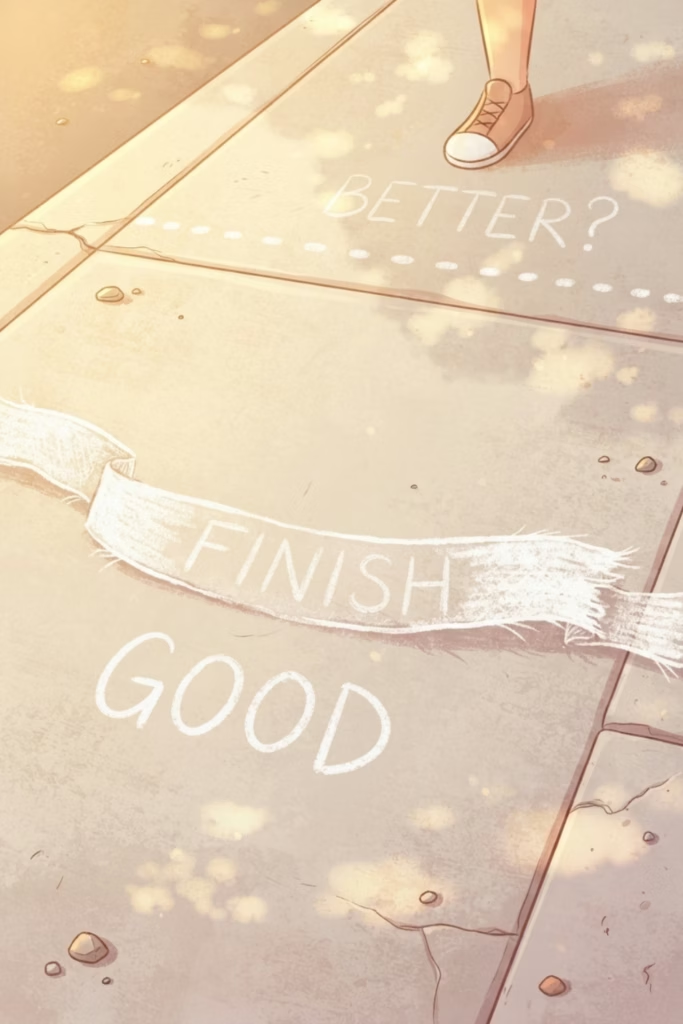
Tracking Happiness notes that shifting attention away from comparison and toward relationships and gratitude is one of the most practical ways to actually break the cycle. Not because relationships are a magic fix, but because they’re a reminder that “good” was already here.
The fix isn’t lowering your standards. It’s planting the finish line before you sprint, so you get to cross it instead of watching it move. We dig into exactly how to do that over at Are You Chasing Someone Else’s Good Life?, worth a read if this is landing.
What ‘Good’ Actually Requires (And How to Be Happy With What You Have)
Here’s the thing nobody puts on a motivational poster: contentment takes work. It’s not the same as settling. It’s a deliberate choice to know what you’re actually after before you spend three years and a lot of energy chasing someone else’s version of it. That’s the core of how to be happy with what you have: not a mindset hack, just a decision made before the sprint, not after.
The NHS recommends three concrete, evidence-based moves for improving happiness: connect with other people, be physically active, and learn new skills. Notice what’s not on that list. It’s not “earn more,” “upgrade more,” or “scroll until something makes you feel better.” (Spoiler: that last one has roughly a zero percent success rate.)
Gratitude for what you have is easy to dismiss as a cliche, and gratitude journaling especially gets a lot of eye-rolls. But, The Muse points out that ending the day by naming what’s already working is one of the simplest ways to re-center before comparison sneaks back in overnight. It’s not about toxic positivity. It’s about making sure your brain has at least some evidence that today wasn’t a total wash before you hand it over to tomorrow’s worries.
Frequently Asked Questions
What does it mean to be happy with what you have?
It means you’ve defined what “enough” looks like for your life, not someone else’s, and you’re measuring progress against that, not against an ever-shifting external standard. It doesn’t mean you stop wanting to grow. It means you actually get to feel the win when you get there.
Is contentment the same as giving up?
No. Contentment is choosing your finish line deliberately, so you cross it instead of watching it move. Giving up is abandoning the race. Contentment is running the right one.
How do I stop comparing myself to others?
Tracking Happiness recommends shifting attention from comparison toward relationships, gratitude, and fewer instant-gratification cues. Practically: less scroll time, more actual conversations, and a daily habit of noting what’s already working.
What are simple ways to feel happier with what I already have?
The NHS lists connecting with people, staying physically active, and learning new skills as evidence-based starting points. These aren’t glamorous, which is probably why they work.
How do I figure out what ‘good enough’ looks like for me?
Start with the question: if nothing changed from today, what would still be okay? That’s your floor. Then ask what would genuinely make your daily life better, not your highlight reel, your actual day. The gap between those two answers is a pretty honest map of what’s worth chasing.
Today’s move: before you go to sleep tonight, write down three things that were already good about today. Not aspirational. Not “I’m grateful for my potential.” Actual, specific things that worked. Do it three days in a row and see if the goalpost feels quite so urgent by day four.
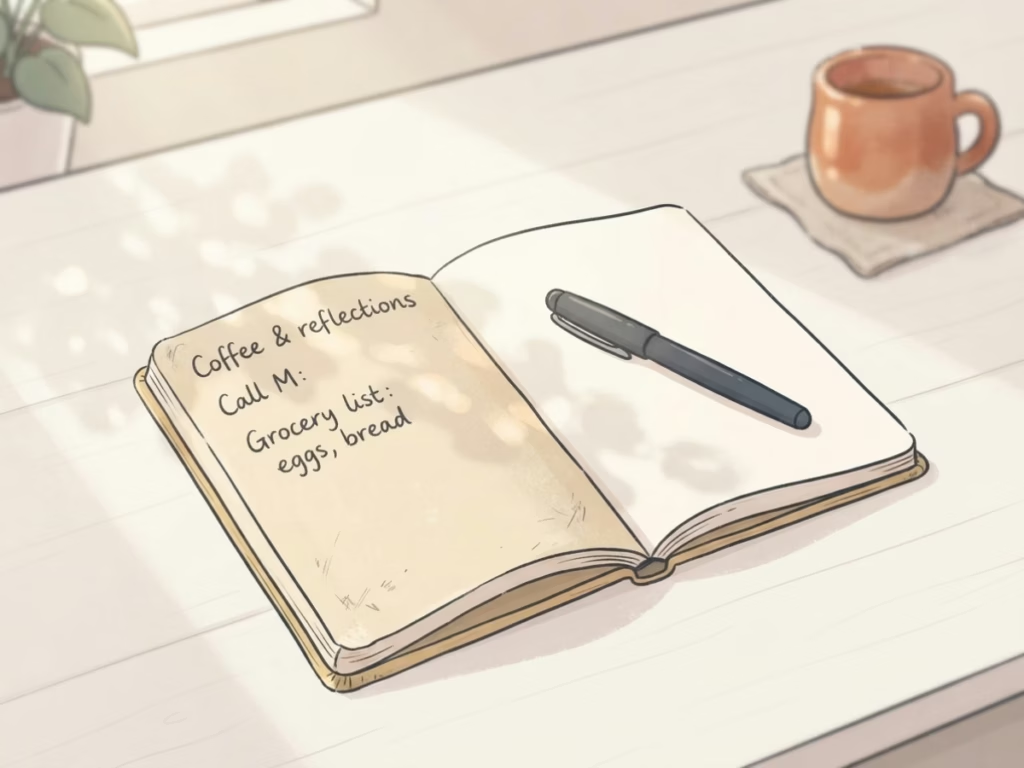
That’s contentment over comparison in its most basic form: evidence you collected yourself, about your own life.
If you want a framework for turning that into real goals instead of vague intentions, SMART Goals for the Rest of Us is a solid next step.
Get The Enough List — free.
Ten minutes, five areas. A short guide for figuring out what enough looks like in money, health, work, people, and time — before you go sprinting at someone else's finish line. Yours when you subscribe.

[…] is the part that transfers directly to real life. If you haven’t read Stop Chasing Better. What Does “Good Enough” Look Like to You?, that’s the longer version of what I’m trying to say here. Plant your finish line […]