
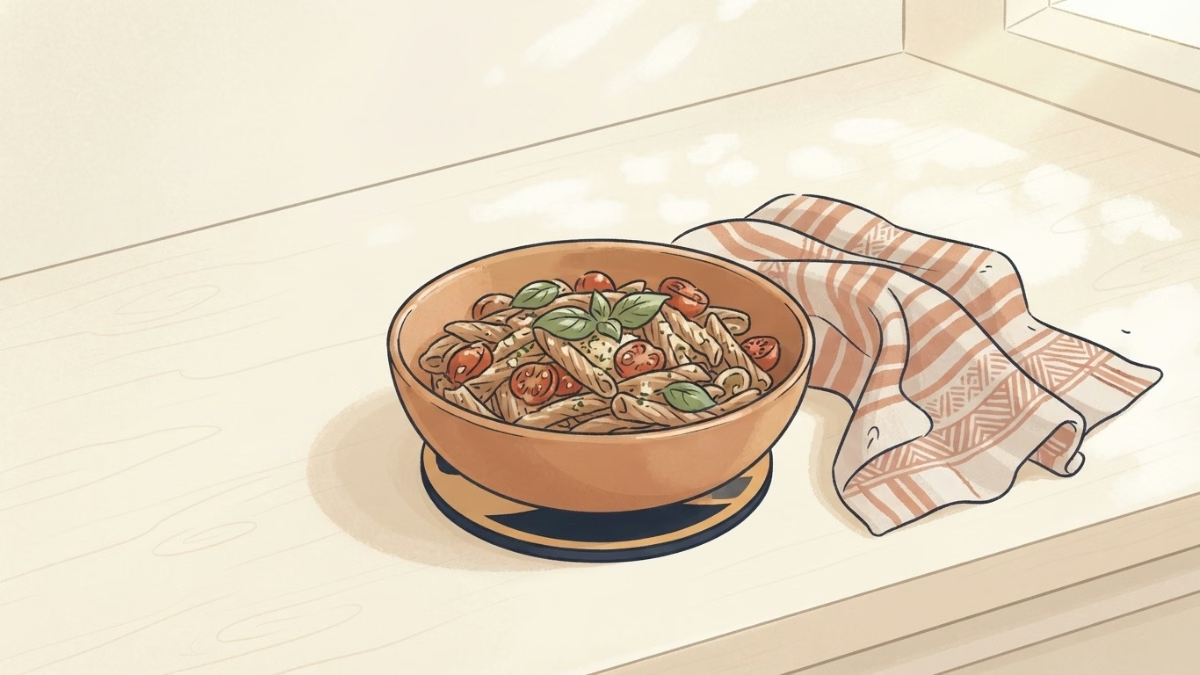
There is exactly one person whose dinner you are responsible for tonight, and that person has great taste. That’s the quiet advantage of cooking for one that nobody really talks about: you’re in charge of everything, and “everything” is a surprisingly manageable amount.
The simple cooking for one benefits stack up fast. Home-prepared meals tend to have less added sugar, sodium, and saturated fat than restaurant and takeout food, per the American Heart Association. Smaller portions mean less food spoils before you get to it, per HelpGuide. And once you account for ordering, waiting, and whoever delivers your food to the wrong address, a simple home meal is often faster anyway.
Key Takeaways
- Home-prepared meals tend to contain less added sugar, sodium, and saturated fat than restaurant and takeout meals, giving you more control over what you actually eat.
- Cooking for one reduces food waste because single-serving portions are more likely to be finished before they spoil.
- Solo cooking builds kitchen confidence over time, repetition with low stakes is the fastest way to get good.
- A simple home-cooked meal is often faster than takeout once you factor in ordering, waiting, and delivery time.
- Cooking only for yourself means you never have to negotiate the menu, you can experiment freely with what you actually like.
Why Simple Cooking for One Beats Takeout
Cooking for multiple people involves negotiation. What does everyone want? Does anyone have a thing about mushrooms? (There’s always someone with a thing about mushrooms.) Cooking for one removes all of that. You pick what you want, you make exactly enough of it, and you eat it straight from the pan if you feel like it. HelpGuide actually notes this, one-pot meals eaten straight from the pot are a legitimate solo-cooking move, not a sign of personal decline.
That freedom also means you can experiment. Want to try something with miso, or finally figure out what to do with the sumac sitting in your spice cabinet? Nobody is watching, and nobody is eating cereal for dinner because you “got weird with the chicken.” The only critic is you, and you can be bought off pretty easily.
The Skill-Building Nobody Mentions
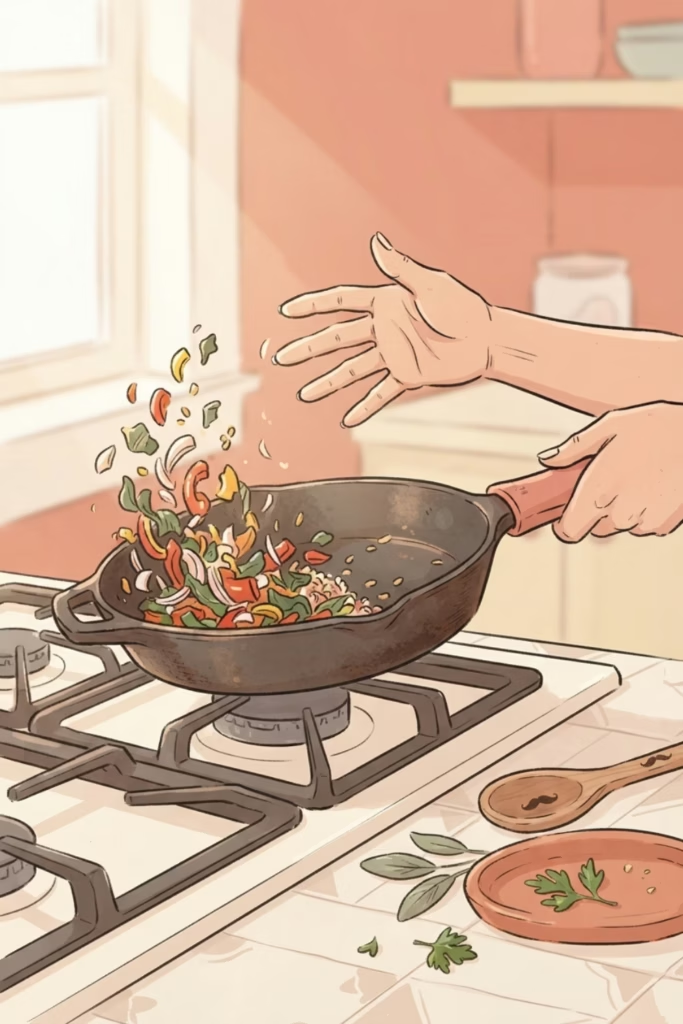
Here’s the underrated part: cooking the same few simple meals repeatedly, just for yourself, is one of the fastest ways to actually get good at cooking. Low stakes, low cost, constant repetition. People who cook at home more often report growing more confident in the kitchen over time, which makes sense, because skill comes from doing the thing, not from reading about the thing.
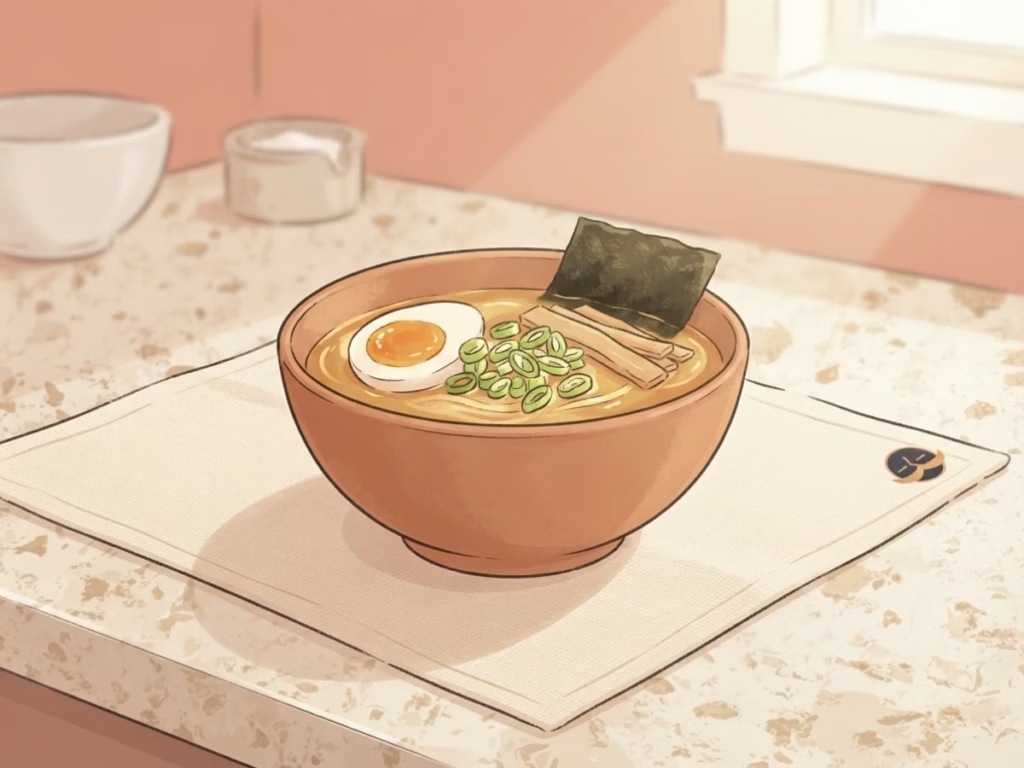
This is the same logic behind starting small with any new habit. Make the ramen before you chase the Michelin star. A scrambled egg done well is more useful than a complicated dish done badly and never attempted again.
And because you’re cooking single-serving portions, the cost of a mistake is exactly one meal, not a pot of something you have to eat for four days out of guilt.
What “Simple” Actually Means Here
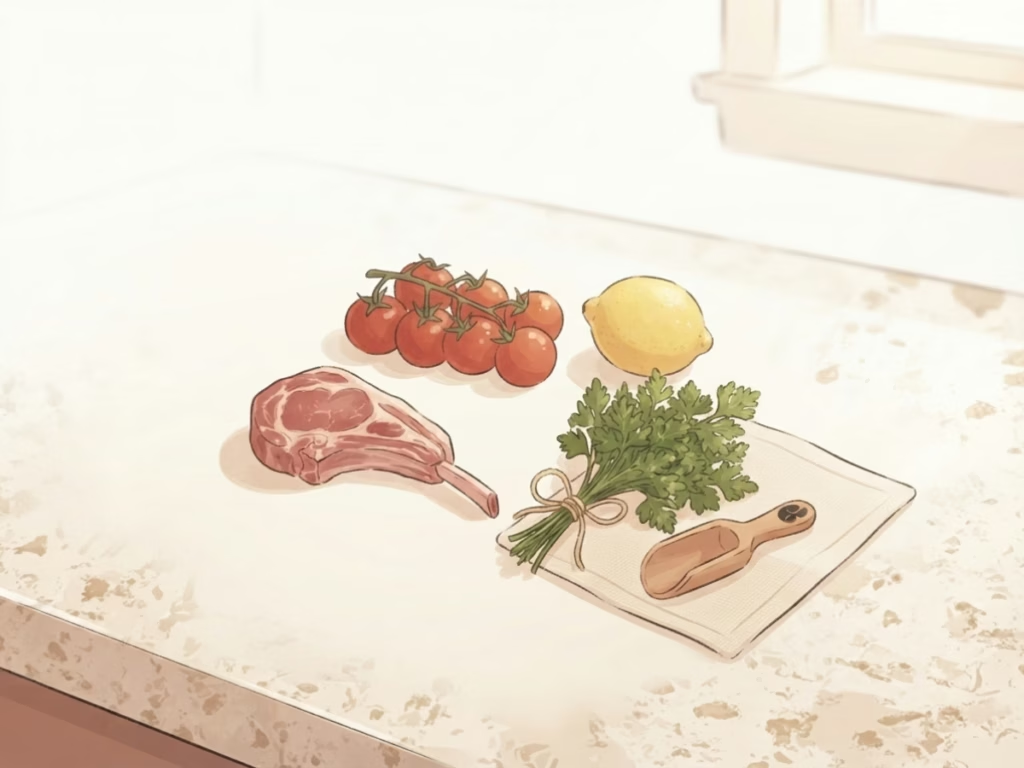
Simple doesn’t mean sad. It means: a protein, something from the produce drawer, and whatever starch you’ve got. Pasta, rice, a couple of eggs, a can of something. The Epicurious take on solo cooking is worth remembering here, cooking for one actually lets you buy a small amount of something genuinely good (a single lamb chop, a handful of nice scallops) without the total cost feeling excessive. You’re not feeding an army. You’re feeding one person with good taste, remember?
The meal doesn’t need to be impressive. It needs to be yours, made by you, eaten without rushing because someone else’s schedule said so.
Frequently Asked Questions
Is cooking for one actually worth the effort?
Yes, and the effort is usually less than it feels. A simple solo meal, protein, vegetable, starch, can come together in 20 minutes or less, which is often faster than waiting for delivery. The American Heart Association frames cooking for one as a practical way to build cooking skills and make eating at home easier over time.
How do I cook for one without wasting food?
A little meal planning for one goes a long way. Pick two or three meals at the start of the week, do one round of solo meal prep (chop, portion, done), and you’ll waste less and stress less when 6pm rolls around.
Stick to single-serving portions and shop with a rough plan for the week. Smaller quantities are more likely to get eaten before they spoil, HelpGuide specifically highlights this as one of the practical advantages of cooking for one. A few pantry staples (canned goods, dried pasta, eggs) also give you backup options that don’t expire mid-week.
Is home cooking actually healthier than takeout?
Generally, yes, home-prepared meals give you control over ingredients, which makes it easier to reduce added sugar, sodium, and saturated fat compared with most restaurant and takeout meals, per the American Heart Association. That doesn’t mean every home-cooked meal is a nutritional triumph, but you at least know what went into it.
What if I’m a bad cook?
Then this is exactly how you stop being one. Repetition with low stakes is the whole game, cooking more often at home is directly linked to growing more confident in the kitchen. Start with something you already like to eat and make it a few times until it’s easy. Then add one new thing.
Tonight, pick one meal you actually want to eat, not the “responsible” option, the one you want, and make it. Just that. It doesn’t have to be good yet. It just has to happen.
Get The Enough List — free.
Ten minutes, five areas. A short guide for figuring out what enough looks like in money, health, work, people, and time — before you go sprinting at someone else's finish line. Yours when you subscribe.

Thoughts?