

If you’re looking for practical ways on how to deal with election anxiety this week, you’re not alone. Election week isn’t a news event anymore. It’s a full-body experience, and not the fun kind. 77% of U.S. adults said the nation’s future was a significant source of stress in APA’s 2024 survey, and that was during a quiet August, not the week the results actually roll in. So if you’re already feeling it in your jaw, your sleep, or your general willingness to talk to people: you’re not dramatic, you’re statistically normal.
The goal this week isn’t to stop caring. It’s to stop letting the refresh button be in charge.
Key Takeaways
- 77% of U.S. adults said the nation’s future was a significant source of stress, per APA’s 2024 Stress in America survey of 3,305 adults.
- 72% of adults worried the 2024 election could lead to violence, so if you feel dread this week, you’re in very large company.
- Repeatedly checking feeds functions as a certainty-seeking behavior that reinforces anxiety rather than relieving it.
- Mental-health experts recommend setting specific scheduled times to check news rather than reaching for your phone throughout the day.
- If election-related anxiety or depression lasts more than two weeks and starts affecting work or relationships, that’s a signal to seek professional support.
Build an Information Budget (Yes, Like Actual Budgeting)
The compulsive-refresh cycle feels productive. It is not. Repeatedly checking feeds, arguing in comment sections, and mentally replaying talking points functions as certainty-seeking behavior that reinforces anxiety rather than relieving it. You are not going to refresh your way to a calmer outcome.
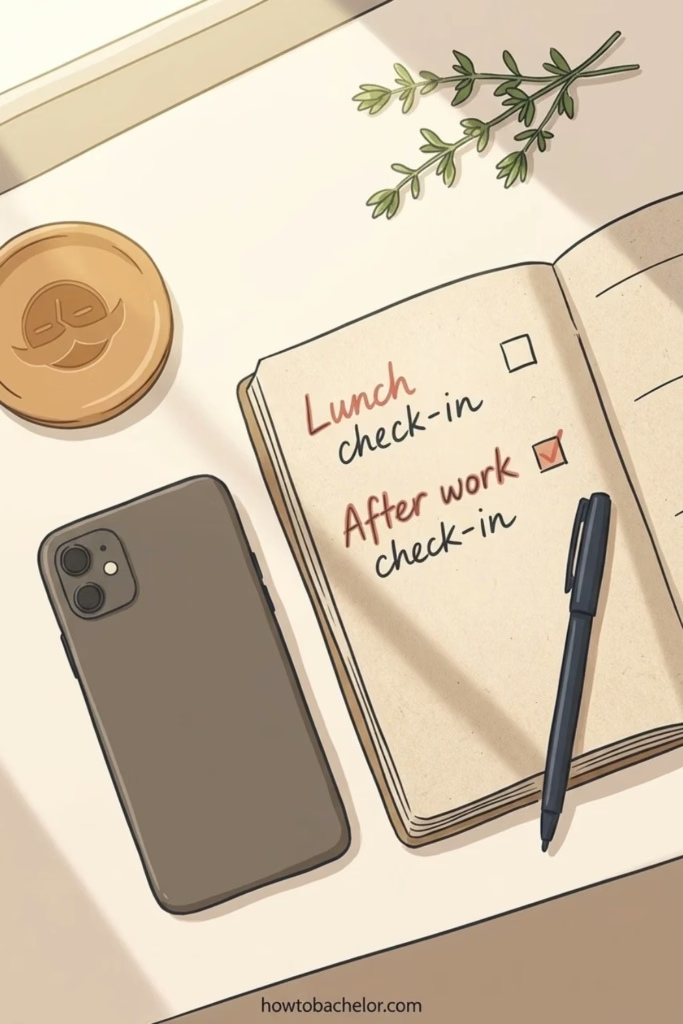
The fix is boring and it works: schedule two news windows and hold the line. One at lunch, one after work. That’s it. Everything between those two windows is noise dressed up as urgency. This also applies to election night anxiety, when the urge to refresh every 10 minutes is strongest. Same rules, same windows. Mental-health guidance recommends setting specific times to check news rather than reaching for your phone continuously, and it’s hard to argue with that logic when your cortisol is already filing for overtime.
Not on social media during those windows. Just news. Social media on election week is basically a stress-delivery mechanism with a scroll feature. You know this. Be honest.
Sleep Is Not Surrendering
This one is tricky because staying up for every projection feels like civic duty. It is not. Northeastern psychology professor Aaron Daniels specifically advises prioritizing sleep and managing screen time during heightened election stress, and counseling guidance recommends turning off screens at least 30 minutes before bed during this kind of elevated period.
Decide now that missing the 1 a.m. projected result is acceptable. The result will still be there in the morning. You’ll just be a person who slept, rather than a person who didn’t sleep and still doesn’t know the winner.
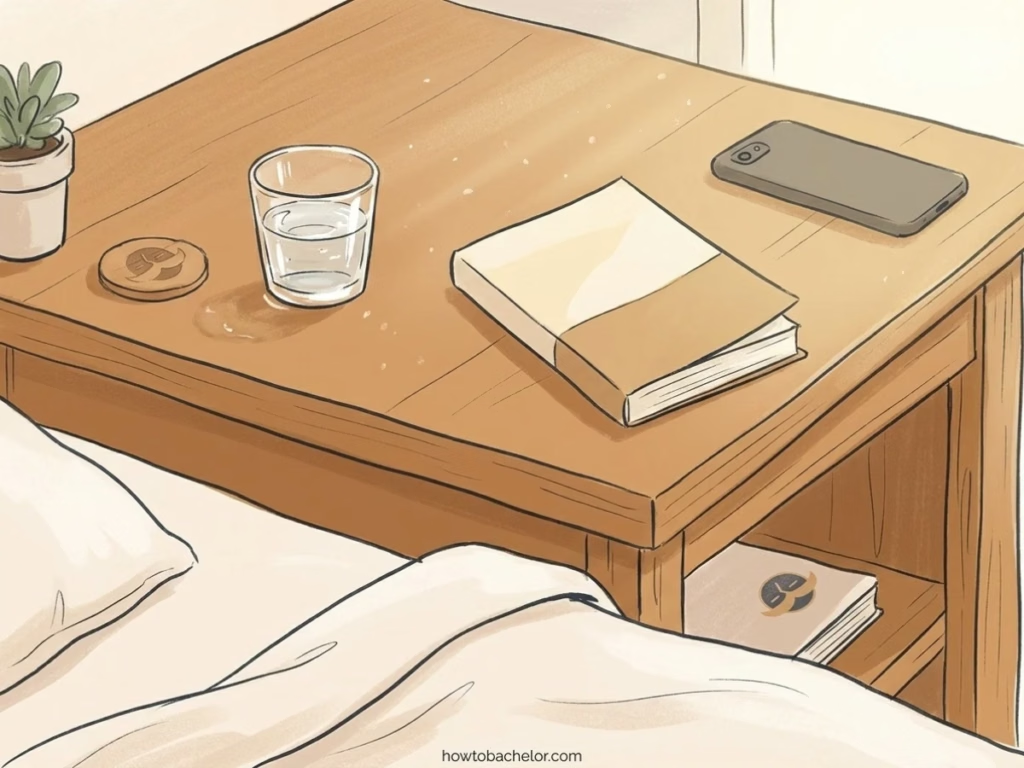
If you need help winding down when your brain won’t quit, box breathing is genuinely useful and takes about 60 seconds. Or just take a walk. Radical stuff.
Frequently Asked Questions About Election Anxiety
How do I stop doomscrolling during election week?
Set two hard news windows per day, once at lunch, once after work, and treat everything else as off-limits. Research supports scheduled news check-ins over continuous feed-checking, because the refresh cycle is a certainty-seeking loop, not actual information-gathering. Phone in another room helps more than willpower alone.
Is it normal to feel this anxious about an election?
Very. 72% of adults worried the election could lead to violence, and 56% feared it could mark the end of democracy, so whatever you’re feeling, you’ve got company. Anxiety about something genuinely uncertain isn’t a character flaw; it’s a reasonable response to a high-stakes unknown.
Does accepting the outcome mean giving up?
No. Preparing emotionally to accept a result, before you know what it is, reduces the exhausting mental loop of trying to gain certainty through arguments and predictions. Acceptance isn’t passivity; it’s just stopping the part that doesn’t work.
When should I actually seek help?
If election-related anxiety or depression lasts more than two weeks and starts harming work, school, or relationships, that’s the escalation signal. A bad week is a bad week. A bad month that’s affecting your functioning is worth talking to someone about.
Today’s one thing: set your two news windows in your calendar right now, and put your phone in another room tonight at least 30 minutes before bed. That’s the whole plan. Everything else is commentary.
Get The Enough List — free.
Ten minutes, five areas. A short guide for figuring out what enough looks like in money, health, work, people, and time — before you go sprinting at someone else's finish line. Yours when you subscribe.
Thoughts?