
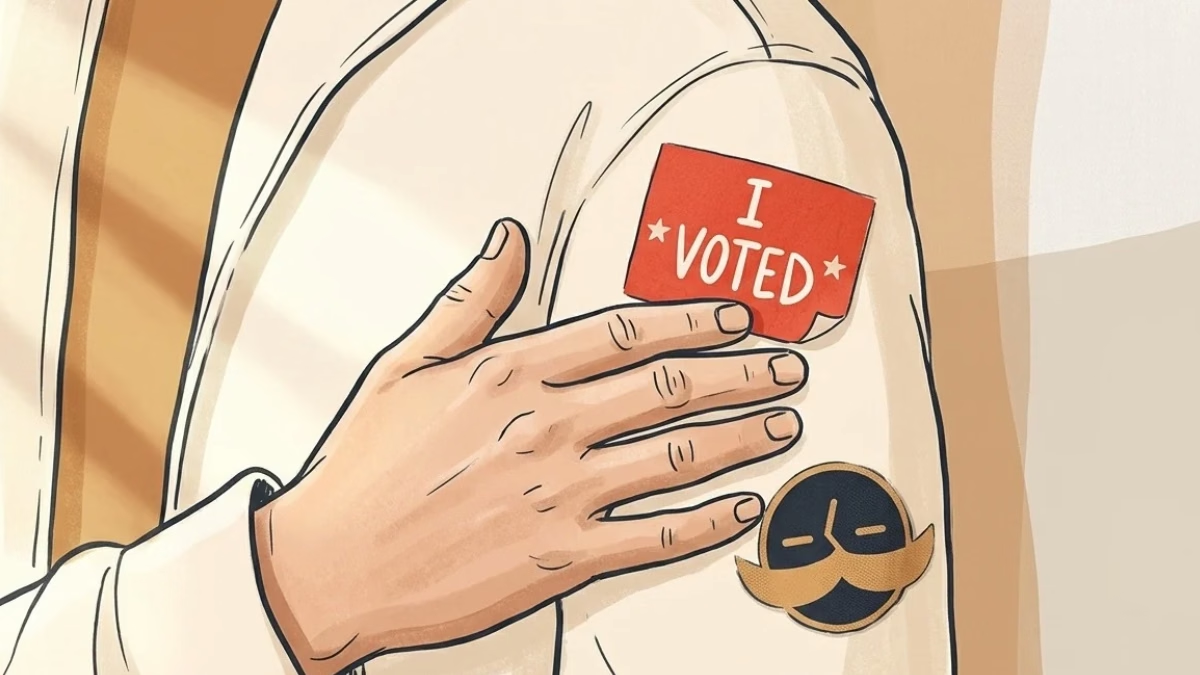
You did the thing. Sticker on your shirt, receipt in the bag. Now your phone is already filling up with hot takes, doomsday threads, and the one guy from high school who will not stop posting. Close the app.
Here’s the honest truth about what to do after voting (or what to do after an election in general, because most of this works whether you’re coming off a presidential race or a school-board vote.): the ballot was the starting gun, not the finish line. And the next meaningful move is almost certainly more boring, and more effective, than another 40 minutes of political content consumption.
Key Takeaways
- Contacting elected officials and attending public meetings are recognized forms of civic engagement beyond voting, per AmeriCorps and U.S. Census data.
- More than 75.7 million Americans formally volunteered through an organization between September 2022 and September 2023, a rate five points above the pandemic-era historic low.
- 54% of Americans helped a neighbor informally in the same period, low-commitment local action counts.
- A 2024 New York City study ranked policy advocacy, awareness-building, local voting, and direct volunteering among the most effective responses to systemic problems.
- You do not need unlimited time or money to stay civically engaged, one-off and informal actions are tracked alongside formal volunteering in federal data.
The 15-Minute Move for What to Do After Voting
Contacting an elected official about a single specific issue is, per AmeriCorps and U.S. Census data, a recognized form of civic engagement, the same category as voting itself. Not a symbolic gesture. Actual civic participation.
Pick one issue. Find your city councilmember’s or state rep’s contact page (a quick search for “[your city] city council contact” does it). Send one specific message. Done. That’s it. The bar is low on purpose; that’s what makes it repeatable.
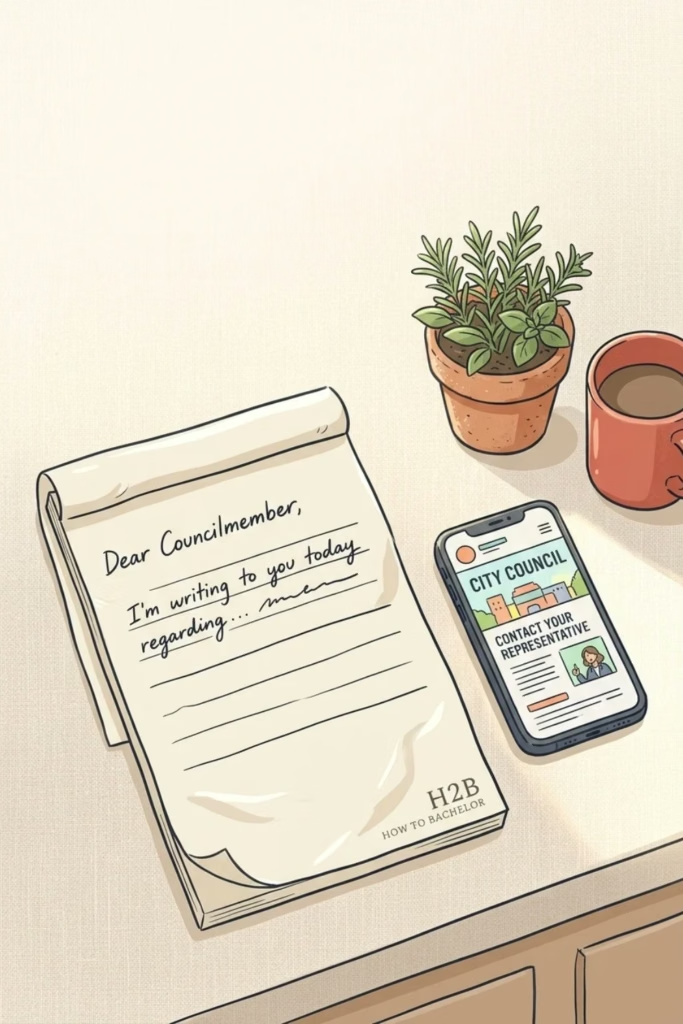
If writing a message to a local official sounds painfully unglamorous compared to the energy of election day, welcome to how most real change works.
Local Help Is Not Small
If you’re wondering how to volunteer in your community without signing your life away, start here. Formally volunteering hit 75.7 million Americans between September 2022 and September 2023-28.3% of everyone 16 and older, and five full points above the pandemic-era low. That’s a lot of people quietly showing up.
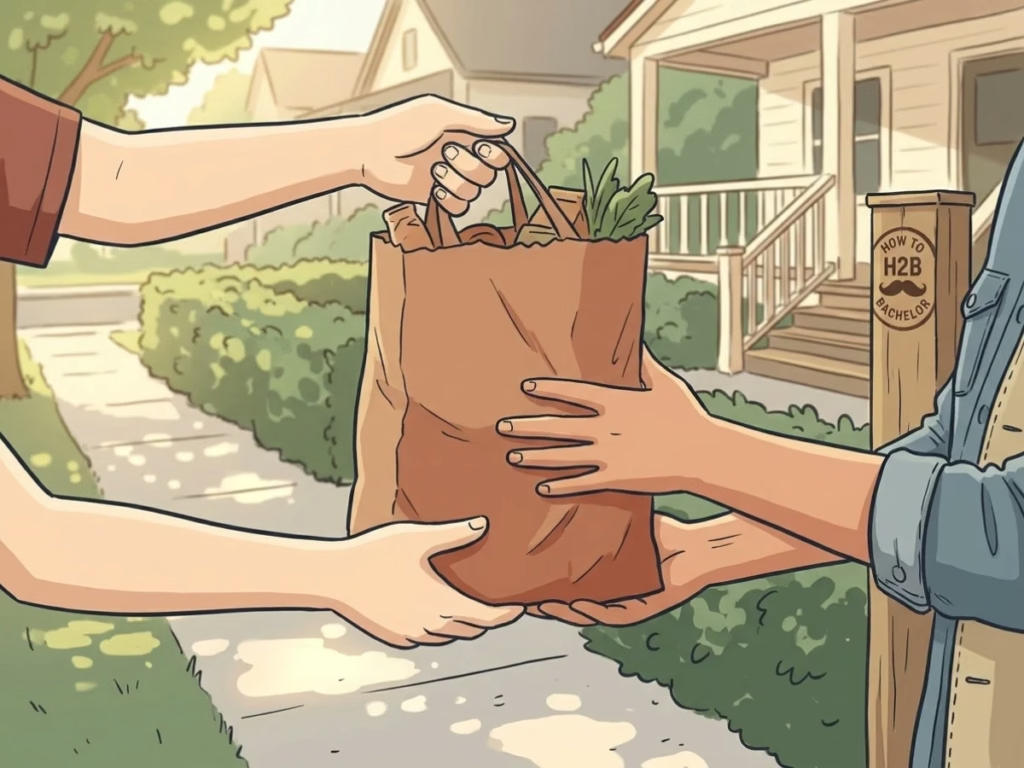
But here’s the part that doesn’t get a headline: 54% of Americans helped a neighbor informally in that same period, per this AmeriCorps report. A food-bank shift, a neighborhood cleanup, grabbing groceries for the person next door. That counts. You don’t need a nonprofit badge and a recurring commitment, one-off, informal, local. All of it counts.
A 2024 study of New York City residents ranked direct volunteering alongside policy advocacy and awareness-building as among the most effective responses to systemic problems. Your zip code is not too small to matter.
Frequently Asked Questions
What should I actually do right after voting?
The short answer on what to do after voting: close the results feed for a few hours (your cortisol will thank you), then pick one follow-up action. Contact a local official, sign up for a neighborhood cleanup, or attend a public meeting.
How do I contact my elected representative?
Search “[your city or state] + [official’s title] + contact.” Most offices have a web form or a public email. Keep the message short: one issue, one specific ask, your zip code. You don’t need a speech. You need one paragraph.
How do I stop doomscrolling after an election?
Replace the scroll with a five-minute task. Put a public meeting on your calendar, draft that message to your councilmember, or text one person about a local volunteer shift. Giving your hands something real to do is genuinely better than willpower alone, here’s how to give yourself permission to actually step back when you need it too.
Do I need to commit to a regular volunteer schedule?
No. Informal helping and one-time actions are tracked in federal civic-engagement data alongside formal volunteering. A single shift, a single message, a single attended meeting all count.
What if I don’t have much time or money?
That’s most people. The AmeriCorps data includes informal neighbor-helping specifically because civic participation has to be compatible with real life, jobs, kids, tight budgets. One action at whatever scale you can manage is not a consolation prize. It’s the actual thing.
Today’s move: find your city councilmember’s contact page, write two sentences about one local issue you care about, and send it. Fifteen minutes. That’s civic engagement. The rest is commentary. Civic engagement between elections is the part nobody puts on a bumper sticker, but it’s where most of the actual work happens.
Get The Enough List — free.
Ten minutes, five areas. A short guide for figuring out what enough looks like in money, health, work, people, and time — before you go sprinting at someone else's finish line. Yours when you subscribe.

Thoughts?