
Sustainable fall routine ideas don’t have to be complicated. The best one you’ll ever build probably takes about 20 minutes a week and involves leftovers.
The Fall season brings a sense of calmness after the heat of Summer. For a Fall Reset, it is already nudging you in the right direction. You don’t need to fight it with a rigid new schedule, you need two or three small swaps that actually stick past Thanksgiving.
These are the kind of simple autumn habits that actually survive contact with a real week.
Key Takeaways
- Sealing air leaks around windows and doors is one of the most cost-effective home efficiency steps you can take heading into winter.
- A weekly ‘use-it-up’ meal costs almost nothing and cuts food waste without requiring a composting system, a spreadsheet, or a personality transplant.
- Two or three repeatable seasonal habits outlast any rigid 30-day reset plan you abandon by the third week of October.
The “Reset” Nobody Talks About: Your House
Before you buy a new planner or download a habit tracker, walk around your apartment or house and put your hand near the windows and doors. Feel any cold air sneaking in? That’s money leaving your home (and it picks up speed in October). The U.S. Department of Energy points to sealing air leaks as one of the most cost-effective efficiency steps you can take before winter. A tube of weatherstripping costs a few dollars and takes 15 minutes. That’s a fall reset.
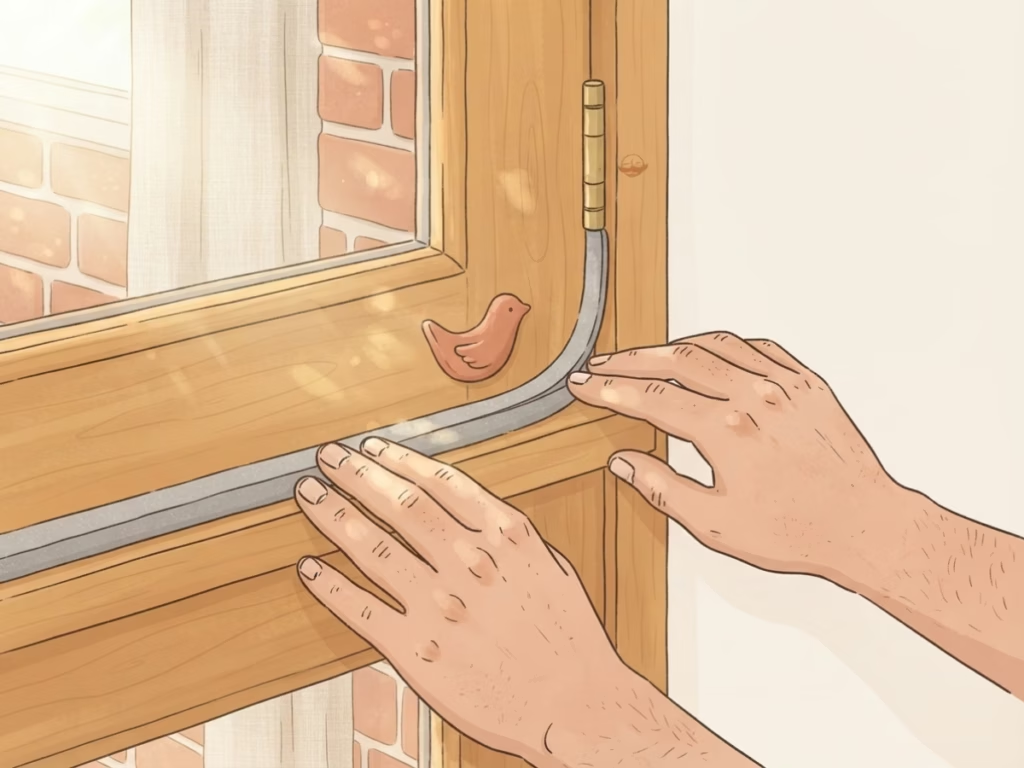
This is the kind of thing nobody puts in a “glow-up your autumn” listicle because it isn’t photogenic. But it works, and you’ll notice it on your heating bill. Unglamorous progress is still progress, we’ve talked about that quiet-win thing before.
The One Meal That Covers Half Your Routine
Pick one night a week. Friday works well, because the fridge is at its most chaotic, and cook whatever is about to go bad. Call it a use-it-up meal. No recipe required. The goal is to clear the shelf before you restock it.
This habit is almost embarrassingly simple, but it compounds fast. You waste less food (and food waste is a real resource drain, not just a guilt trip). You spend less on groceries the following week because you’re not doubling up on things you already had. And you get surprisingly good at improvising with whatever’s left, which is a genuinely useful skill.

(I have made some deeply questionable beef bowls. I have also made some accidentally great ones. The ratio improves as time goes on.)
If you want a low-effort version of this that still feels intentional, a slow cooker on Friday morning with whatever vegetables and protein need using is about as close to a cheat code as cooking gets.
Keep the Thermostat Honest at Night
This one is almost too simple to mention, which is exactly why it gets skipped. Turn the thermostat down when you sleep. Your body temperature drops naturally during sleep anyway, so a cooler room isn’t a sacrifice, it’s actually better for sleep quality. The Department of Energy recommends setting it back several degrees for the hours you’re asleep or out of the house, and the savings add up over a full heating season.
Set it, forget it, and let the programmable thermostat earn its keep for once.
Sustainable Fall Routine Ideas Work Best in Small Doses
The reason most fall resets fail by mid-October isn’t lack of motivation. It’s scope. You commit to 11 new habits on September 1st, white-knuckle it for two weeks, and then life happens. By Halloween you’ve abandoned the whole thing and feel worse than when you started.
Pick two or three things from this list.

Do them on repeat. That’s it. Sustainable fall routine ideas don’t need to be dramatic to work, they need to be boring enough that you’ll still be doing them in February. There’s a reason Tour de France riders spend most of their race at a pace that feels almost too easy. Sustainable pace beats heroic sprint, every single time.
Frequently Asked Questions
Do I need to change my whole routine to have a sustainable fall?
No. Two or three repeatable habits, sealing drafts, a weekly use-it-up meal, turning the thermostat down at night, will outperform a 30-item checklist you abandon by October. The goal is habits you’re still doing in January, not a highlight reel you post in September.
Is a fall reset actually worth it, or is it just a trend?
It depends on what you’re resetting. If it’s a cue to do a few practical things you’ve been putting off, weatherproofing, clearing the fridge, adjusting your sleep schedule for shorter days, then yes, it’s genuinely useful. If it means buying a new planner and waking up at 4:30 AM, the evidence is less compelling.
How do I make a fall routine sustainable long-term?
Keep it small and allow the season to do some of the heavy lifting. Build habits that fit the season’s existing rhythm rather than fighting it with a rigid new schedule.
What’s the single highest-impact fall habit for saving money?
Sealing air leaks around windows and doors before the heating season starts. It costs almost nothing, takes under an hour, and the Department of Energy lists it as one of the most cost-effective home efficiency steps available. Second place: the use-it-up meal, which cuts your grocery bill by actually using what you’ve already paid for.
Do I need special gear or products for a sustainable fall routine?
Weatherstripping, a programmable thermostat if you don’t have one, and whatever’s already in your fridge. That’s the list. The most effective energy-saving fall habits are almost always the cheapest ones.
Today’s action: Go put your hand near one door or window in your home right now. If you feel a draft, pick up weatherstripping this week. If you don’t, open the fridge and pick one thing that needs to be used in the next three days. Cook it tonight. That’s the fall reset.
Get The Enough List — free.
Ten minutes, five areas. A short guide for figuring out what enough looks like in money, health, work, people, and time — before you go sprinting at someone else's finish line. Yours when you subscribe.