
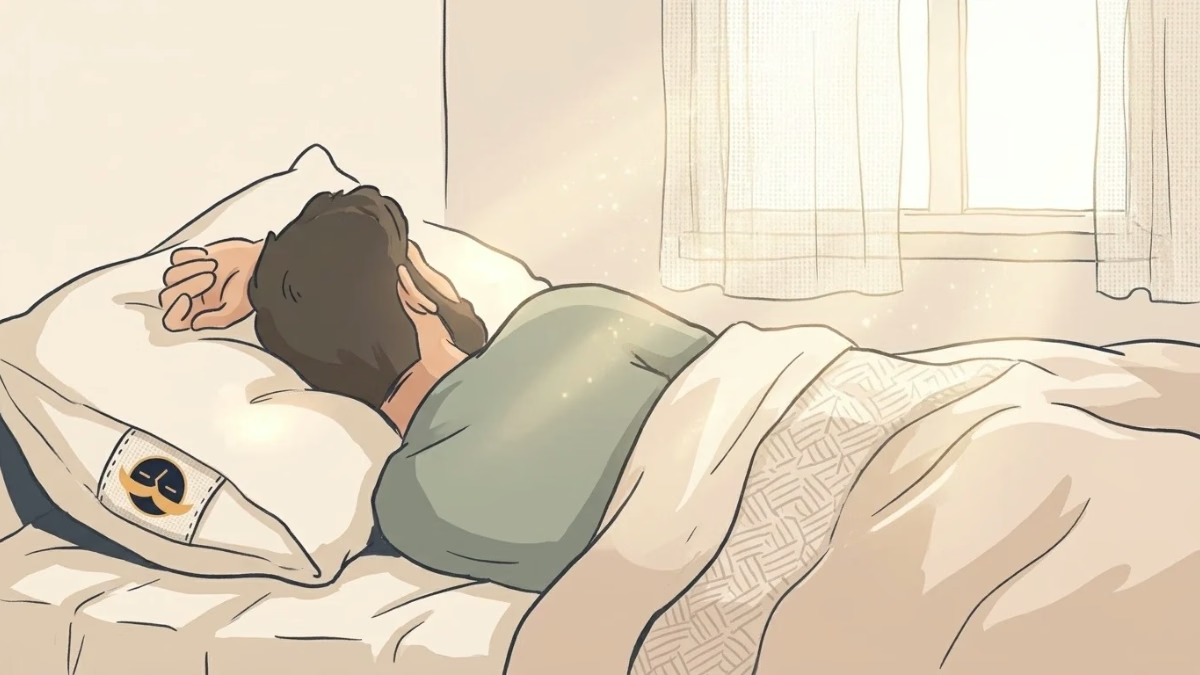
The extra hour this Sunday is not a gift from the universe to finally reorganize your bathroom cabinet. The best thing you can do with the extra hour from daylight saving time is sleep.
That’s not laziness dressed up as advice, although laziness can be a good thing (work smarter not harder). Harvard Sleep Medicine’s actual recommendation is to go to bed at your usual time and let the hour arrive as sleep.
Key Takeaways
- Bristol researchers found people slept just over half an hour more on clock-change Sunday, not the full extra hour most people expect.
- Harvard Sleep Medicine recommends going to sleep at your usual bedtime and letting the extra hour arrive as sleep, not productivity.
- The American Academy of Neurology linked the fall time change to brief increases in sleep problems, including difficulty falling and staying asleep.
- The Sleep Foundation recommends morning sunlight on the Sunday of the switch to reduce circadian disruption.
- CDC guidance suggests shifting bedtime 15-20 minutes later per day in the three days before the change to ease the transition.
Your Brain Doesn’t Care That You “Won” an Hour
Here’s the part nobody tells you: you probably won’t even bank the full sixty minutes. Bristol researchers tracked what actually happens on clock-change Sunday and found people slept just over half an hour more, not a full extra hour, per University of Bristol. So the “free hour” is already about 50% off before you’ve done a thing with it.
Worse, the American Academy of Neurology found the fall time change is associated with brief spikes in sleep problems, difficulty falling asleep, difficulty staying asleep, per AAN. The clock falls back; your nervous system, apparently, did not get the memo.
So if you spend that hour “winning”, knocking out emails, meal prepping six containers of something virtuous, convincing yourself this is the morning you become a runner, you’re borrowing against a circadian rhythm that’s already a little wobbly. (We’ve all been that guy. Results do not impress.)
What Actually Helps With the Extra Hour From Daylight Saving Time
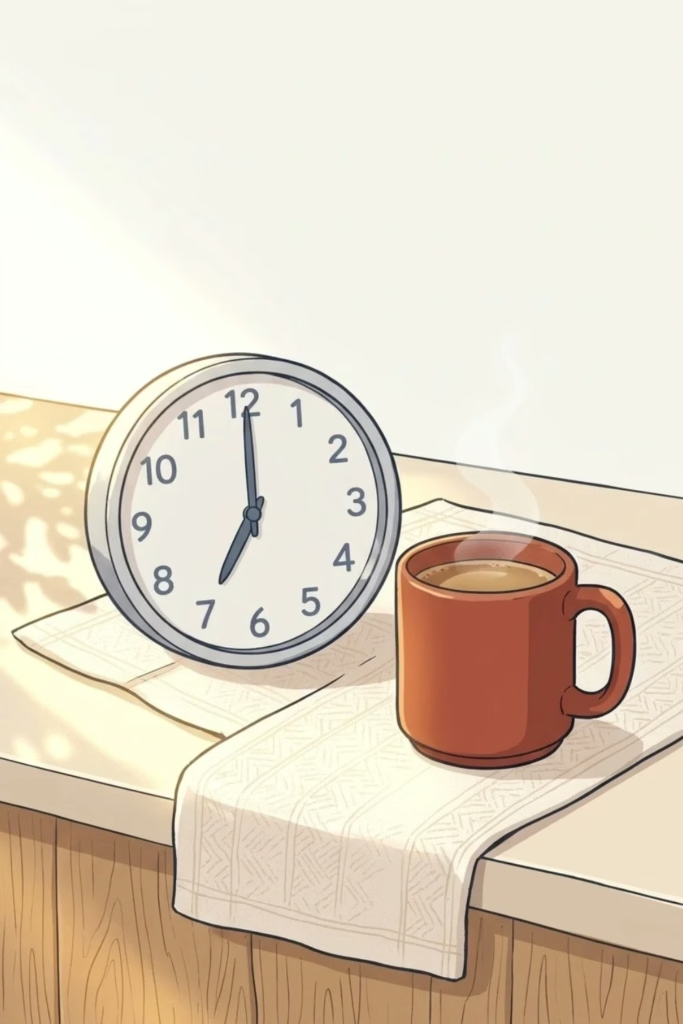
A couple of things are genuinely worth doing this weekend, and none of them require a productivity app.
Get morning sunlight Sunday. The Sleep Foundation recommends it specifically for the switch weekend to reset your internal clock, per Sleep Foundation. Step outside with your coffee. That’s it. Consider it a morning ritual, not a hack.

Protect seven hours. Indiana University Health recommends at least seven hours on the nights surrounding the change, per IU Health. Not seven hours of screens in bed. Seven hours of actual sleep.
If you want to ease in, the CDC suggests nudging bedtime 15-20 minutes later per day in the three days before the switch, per CDC. That’s Sunday, Monday, Tuesday of next week. Incremental is underrated.
Think of it as your annual standard time adjustment: a built-in nudge to reset your sleep routine before winter fully lands. And if you want to do something truly radical with the hour? Pick up a low-stakes hobby you’ve been quietly curious about, something with zero performance pressure. Not because it’ll make you better. Just because an hour of genuine enjoyment without optimizing it is, weirdly, the hardest thing to let yourself do.
Frequently Asked Questions
What should I do with the extra hour from daylight saving time?
Sleep is the highest-return option. Harvard Sleep Medicine recommends going to bed at your normal time and using the shifted hour as additional rest. If you’re well-rested, spend it outside in the morning light, the Sleep Foundation cites sunlight exposure as the most effective circadian reset for the fall switch.
Do you actually get a full extra hour of sleep when clocks fall back?
Almost certainly not. Bristol researchers found that on clock-change Sunday, people slept roughly half an hour more than usual, not the expected full hour, per University of Bristol. The body adjusts less neatly than the clock does.
Can the fall time change hurt your sleep even if you “gained” an hour?
Yes. The American Academy of Neurology reported that the autumn clock change is linked to brief increases in difficulty falling asleep and staying asleep, per AAN. Gaining an hour on paper doesn’t mean your circadian rhythm is happy about it.
How do I prepare for the fall time change before it happens?
The CDC recommends shifting bedtime, meals, and exercise about 15-20 minutes later per day for three days before the change, per CDC. Small nudges beat a hard cut.
How much sleep should I get around the time change?
Indiana University Health recommends at least seven hours on the nights before and after the switch, per IU Health. Not a wild ask, but worth actually protecting instead of staying up to “use” the extra hour.
Tonight, set your bedtime alarm the same as always. Let the hour arrive quietly. That’s not giving up the morning. That’s knowing what “enough sleep” actually costs, and paying it on time.
Get The Enough List — free.
Ten minutes, five areas. A short guide for figuring out what enough looks like in money, health, work, people, and time — before you go sprinting at someone else's finish line. Yours when you subscribe.

Thoughts?