

If your brain runs a constant background tab of what am I eating next / should I have eaten that / is this healthy enough, that’s food noise. The fastest way to stop overthinking food isn’t more discipline. It’s fewer decisions.
The research here is blunt: Harvard Health recommends eating regular meals with protein and fiber at each one because both increase fullness and physically reduce the hunger-fueled mental chatter. The goal isn’t a perfect plate. It’s a plate that shuts your brain up long enough to get some work done.
Key Takeaways
- Eating protein and fiber at every meal increases fullness and reduces hunger-driven food thoughts, per Harvard Health.
- Waiting too long between meals amplifies food noise, experts suggest shortening gaps to three to four hours if food thoughts spike after five hours without eating.
- Mindful eating practices, sitting down, no phone, chewing slowly, help you notice hunger and fullness cues before food thoughts take over.
- A “good enough” meal that you actually eat beats a perfect meal you spend 45 minutes planning and never make.
- Managing stress and sleep are upstream fixes for food noise, not willpower.
Why Eating Sooner Beats Thinking Harder (and What to Actually Eat)
Here’s the thing nobody tells you: food obsession usually gets louder the longer you go without eating, not quieter. National Geographic reports that if food thoughts spike after five hours without eating, some experts suggest shortening the gap to three to four hours. You’re not weak for thinking about food constantly at 3pm when you had a sad desk lunch at 11. You’re just a human running on empty.
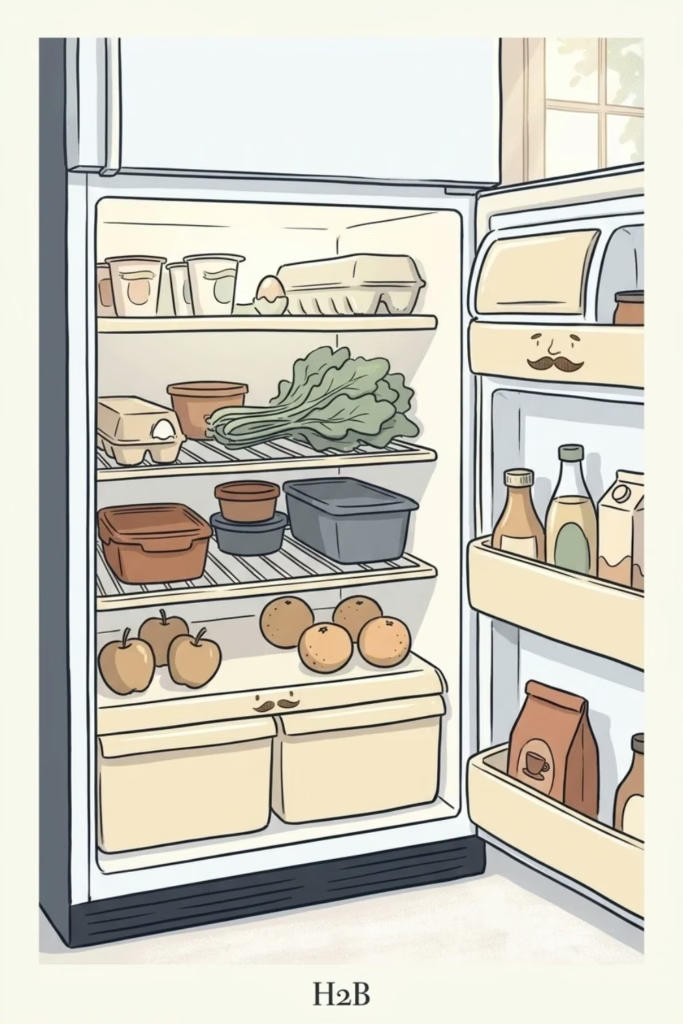
The anti-overthinking move, counterintuitively, is often to eat sooner and more predictably. Not less.
So instead of optimizing every meal from scratch, pick two or three “good enough” templates and rotate them until your brain gets bored of the question. Eggs and oats in the morning. Something with protein, a vegetable, and a carb at lunch. Done. (I know, I know, not glamorous. Neither is spending 40 minutes scrolling recipe videos and then ordering a burrito anyway.)
The whole point of how to stop overthinking food is reducing the number of calls your brain has to make. A good-enough meal doesn’t need a name, a cuisine, or a garnish. It needs:
- Protein, eggs, canned fish, Greek yogurt, whatever. Just pick one.
- Fiber, a vegetable, some beans, fruit, whole grain bread. The bar is low.
- Something you actually want to eat, because a perfect meal you resent is still a bad meal.

That’s it. These aren’t recipes. They’re easy enough meal ideas you can run on autopilot, which is the whole point of stopping the meal planning overthinking spiral. Harvard also recommends sitting down, putting the phone away, and actually chewing your food (revolutionary, I know) so your body can register that it’s been fed. Your hunger cues work fine, they just need a quiet room.
If the food noise is really loud, Healthline’s 2025 guidance suggests setting a timer to eat every two to three hours as a temporary reset. Think of it as rebooting the laptop instead of just closing tabs.
And if you’re sleeping badly and running on stress, no meal template will fully fix it. Sleep and movement are upstream of all of this, Harvard notes that about 30 minutes of activity most days can make stress feel more manageable, which turns down the food-noise volume. You might already know this. It’s still true. (A 20-minute walk counts, by the way.)
The bigger idea here is one we come back to a lot at How to Bachelor: good enough, defined in advance, beats perfect chased forever. That applies to goals. It applies to meals.

Frequently Asked Questions
What is food noise and why does it happen?
Food noise is the constant mental chatter about eating, what to eat, when to eat, whether you ate “correctly.” It tends to get louder when you’re hungry, sleep-deprived, or stressed, because your brain is scanning for a resource it needs. Per Harvard Health, eating regular meals with protein and fiber helps reduce it by keeping hunger from spiking in the first place.
How do I stop thinking about food all the time?
Eat regularly, roughly every three to four hours, and make sure each meal has protein and fiber to keep hunger stable. National Geographic reports that experts often recommend shortening the gap between meals if food thoughts spike after five hours without eating. Less restriction, not more, is usually the lever.
Does mindful eating actually help with food noise?
It helps more than most people expect, but the bar for “mindful eating” is lower than it sounds. Sit down, no screens, chew your food. That’s it. Harvard recommends these basics specifically because they help you notice fullness cues before the mental chatter kicks back in.
Is it bad to eat the same meals repeatedly?
Not at all, in fact, repeating a handful of reliable templates reduces the number of decisions your brain has to make, which is the whole point. The International Food Information Council advises eating enough and avoiding unnecessary restriction, not chasing variety for its own sake.
Today’s action: pick one meal, breakfast, lunch, doesn’t matter, and decide right now what “good enough” looks like for it tomorrow. Protein, fiber, something you’ll actually eat. Write it down. Then stop thinking about it. Your brain will thank you.
Get The Enough List — free.
Ten minutes, five areas. A short guide for figuring out what enough looks like in money, health, work, people, and time — before you go sprinting at someone else's finish line. Yours when you subscribe.

Thoughts?