
September rolls around and suddenly every corner of the internet wants you to start a morning routine, set Q4 goals, and basically treat autumn like a pre-January. Hard pass.
The most sustainable fall routine ideas aren’t about adding things. They’re about using what the season hands you, darker evenings, cooler air, a natural pull toward the indoors, and letting those be the structure. You don’t need a 5 a.m. wakeup. You need fewer decisions and better sleep.
Key Takeaways
- A Wisconsin state wellness guide recommends going to bed and waking at the same time every day, including weekends, to regulate your internal clock and improve sleep quality.
- The same guide recommends at least 30 device-free minutes before bed, replaced by light reading, gentle stretching, or another calming activity.
- Cooler fall weather naturally supports walking or biking as a movement habit, which means the season itself does some of the work for you.
- Sustainable fall routines survive tired weekdays and tight budgets, not just ideal conditions, which means fewer decisions, not more.
Let the Shorter Days Do the Heavy Lifting
Autumn is the only time of year where “it’s dark out” is a perfectly legitimate reason to wrap up your evening. Use it without guilt.
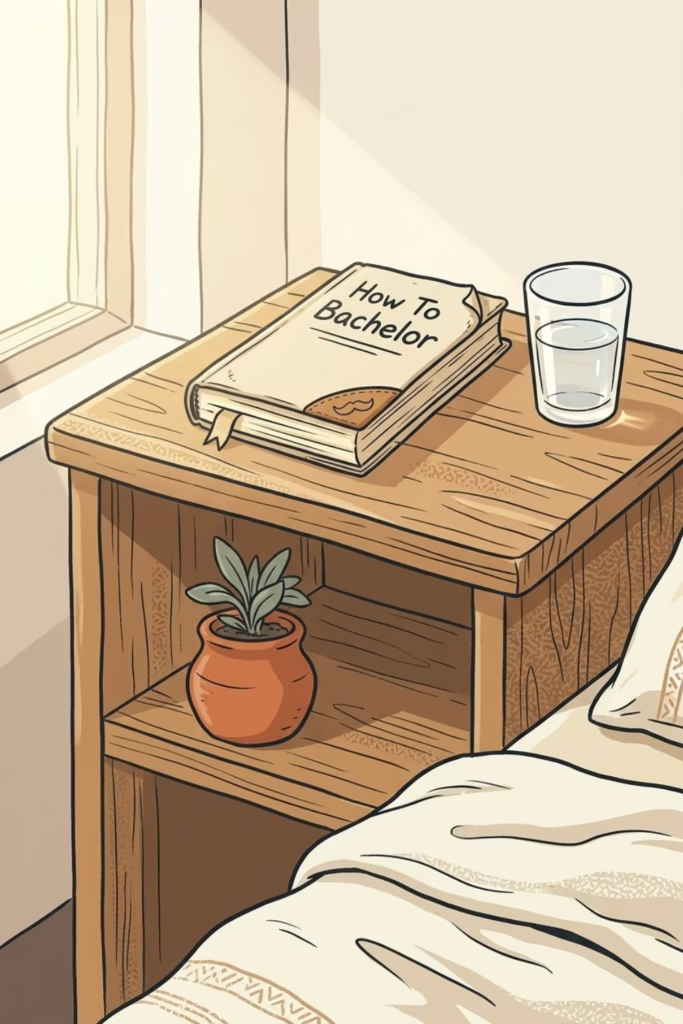
A Wisconsin state wellness newsletter recommends keeping a consistent sleep and wake time, even on weekends, because it’s one of the simplest ways to regulate your internal clock and actually improve sleep quality. Turns out your body is not impressed by your weekend lie-ins (mine either, apparently).
The same guide suggests at least 30 device-free minutes before bed, swapped out for light reading, gentle stretching, or something that doesn’t involve a notification badge. Keep the bedroom cool, dark, and quiet. That’s it. That’s the whole optimization.
Move Outside While It’s Still Nice Enough to Want To
Here’s the cheat code of fall: the weather finally cooperates. Cooler temps make walking or biking feel like a reward instead of a punishment, so lean into that while it lasts before the sky becomes a grey depression bowl from November through March.

This isn’t about hitting a step count or training for anything. It’s movement as a seasonal habit, low-stakes enough that it actually sticks. For more on sustainable movement that doesn’t require treating every workout like an audition, this piece on Tour de France pacing for normal guys is worth a read.
Sustainable Fall Routine Ideas Start With Less Friction
“Sustainable” usually gets filed under eco-friendly stuff, which is fine, but the more useful version here is emotionally sustainable. Can this routine survive a tired Tuesday after a bad day at work? If not, it’s not really a routine, it’s a highlight reel you perform when everything is already going well.
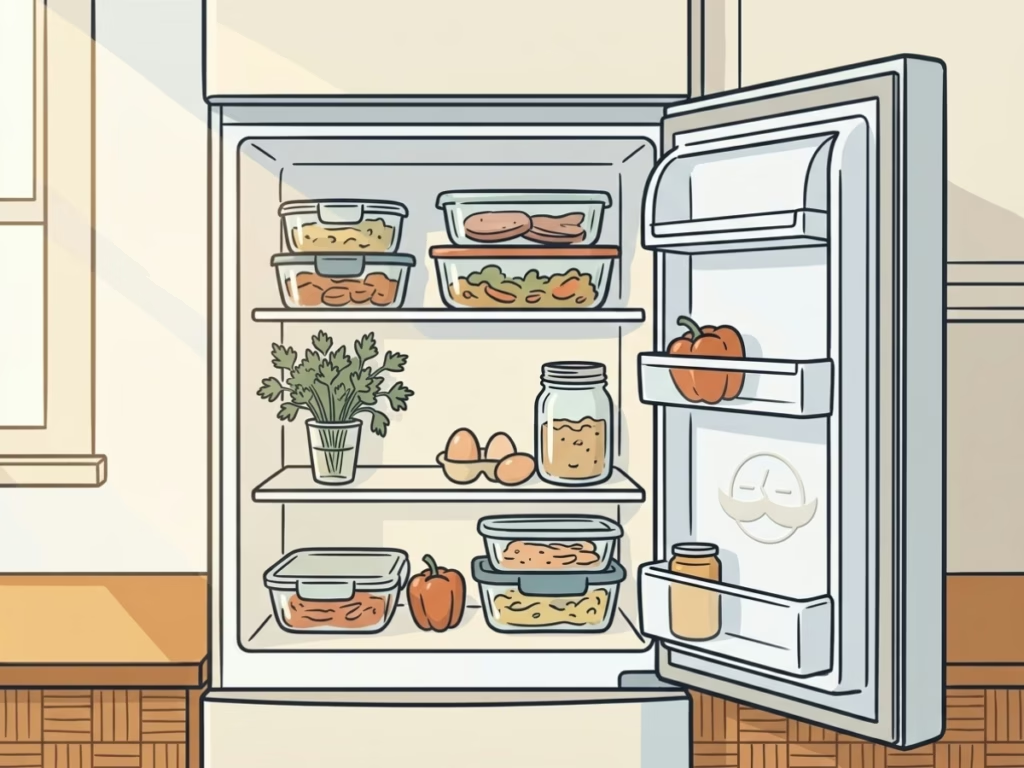
Concrete moves that actually survive real life: eat leftovers first before you shop. Walk somewhere you’d normally drive. Go to bed when you’re tired instead of doom-scrolling until midnight. (Bold, I know.)
Whether you’re juggling kids, a commute, or just the low-grade dread of a packed week, a cozy fall reset routine should have a floor low enough that you can still hit it at your worst.
If you want a longer read on making rest feel like something other than failure, this one on permission to do nothing without guilt makes the case better than I can here.
Frequently Asked Questions
What makes a fall routine actually sustainable?
A sustainable fall routine idea that actually holds up is one that still works on a tired Wednesday, not just a motivated Sunday. Keep the floor low: consistent sleep timing, some movement, and one fewer decision per evening. If it requires perfect conditions to function, it’s a plan, not a routine.
How does sleep schedule affect a fall reset?
A consistent sleep and wake time, including weekends, helps regulate your body’s internal clock and improve sleep quality, per the Wisconsin Department of Employee Trust Funds wellness guide. Fall is a natural entry point because earlier darkness already nudges your body toward an earlier wind-down.
Should I do a device-free bedtime routine in fall?
A 30-minute device-free window before bed, replaced by reading or stretching, is a practical starting point, per recommended by the Wisconsin wellness guide. The specific activity matters less than removing the blue-light scroll loop that tricks your brain into staying alert.
Do I actually need to change anything for a fall reset?
Not necessarily. If your current routine is working, the reset is just removing the things adding friction. Cooler weather and earlier sunsets are already nudging you toward rest. You can let the season do the work instead of building a new system from scratch.
Today’s action: pick a bedtime for this week and keep it. Same time tomorrow, same time Sunday. That’s the whole reset. Everything else is just seasoning.
Get The Enough List — free.
Ten minutes, five areas. A short guide for figuring out what enough looks like in money, health, work, people, and time — before you go sprinting at someone else's finish line. Yours when you subscribe.