
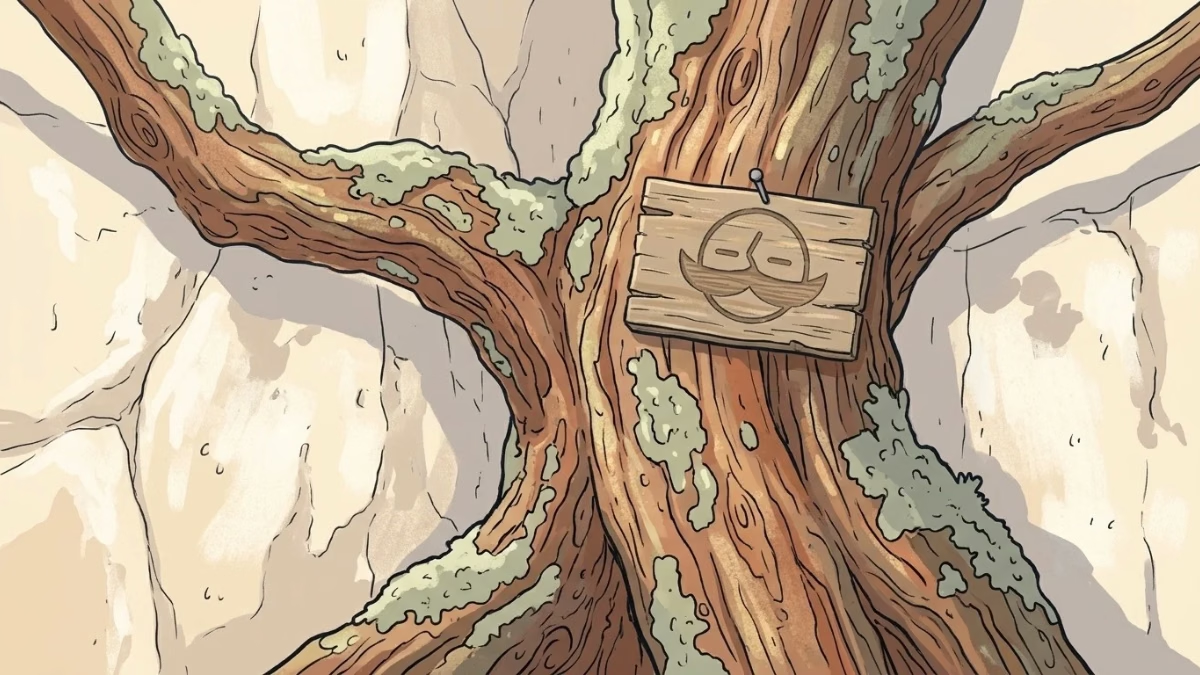
A white cedar sat on a Canadian cliffside for 155 years and grew less than four inches. Not four feet. Four inches. That’s roughly the height of a soda can, which means for a century and a half, this tree had the ambitions of a soda can.
Key Takeaways
- A white cedar specimen in Canada’s Great Lakes region reached less than 10.2 cm (4 inches) tall after 155 years, per Guinness World Records.
- That same tree averaged only 0.11 g of new wood per year, measurable growth, but barely.
- Bristlecone pines are widely cited as extremely slow-growing, but the Guinness record belongs to that specific white cedar specimen.
- A 2024 NYC street-tree study found London planetrees, among the slower urban species, growing at a mean of 0.163 inches per year.
- Growth rate depends heavily on environment: a stressed cliffside tree is an extreme case, not a baseline for its species.
What Is the Slowest-Growing Tree?
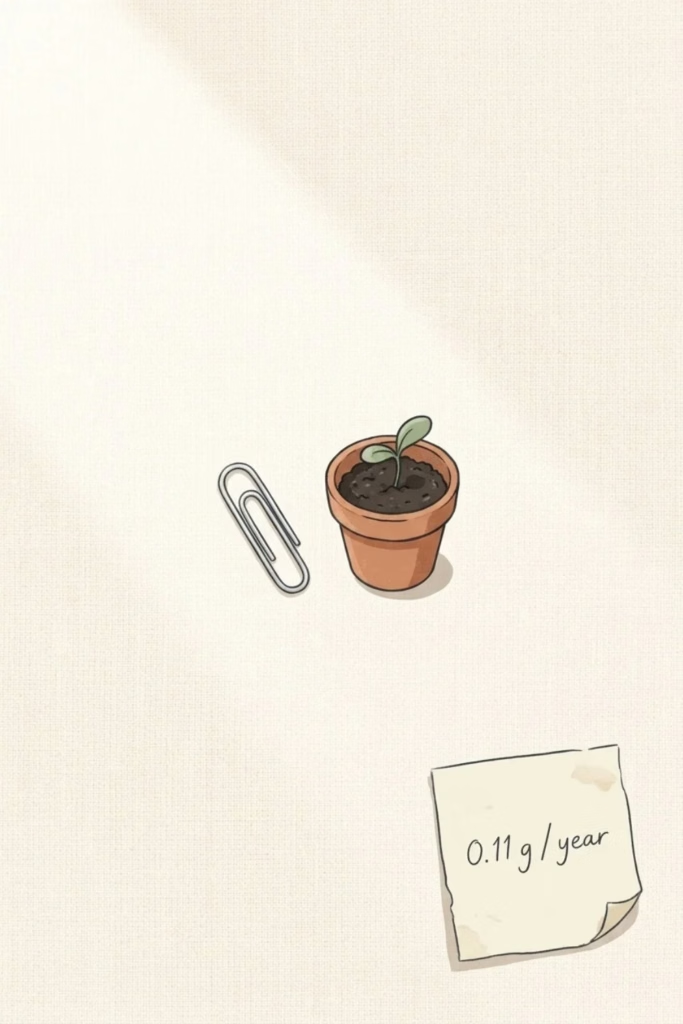
The Guinness-verified record belongs to a Thuja occidentalis (white cedar) specimen found in Canada’s Great Lakes region. After 155 years, it stood under 10.2 cm tall and had added an average of just 0.11 g of new wood per year. For context, a paperclip weighs about 1 g. This tree was out here doing a fraction of a paperclip’s worth of work annually, and it still showed up.
You’ll often hear bristlecone pines get the “slowest-growing” label, they are remarkably slow, and some are among the oldest living things on earth. But the Guinness record sits with that specific, extremely stressed white cedar. The takeaway: “slowest” depends a lot on the individual tree’s conditions, not just the species on the label.
(A separate contender, Dioon edule, a cycad rather than a true tree, reportedly reached only 10 cm after 120 years at a rate of 0.76 mm per year. Still in the running for world’s most patient organism.)
The Part Worth Actually Thinking About
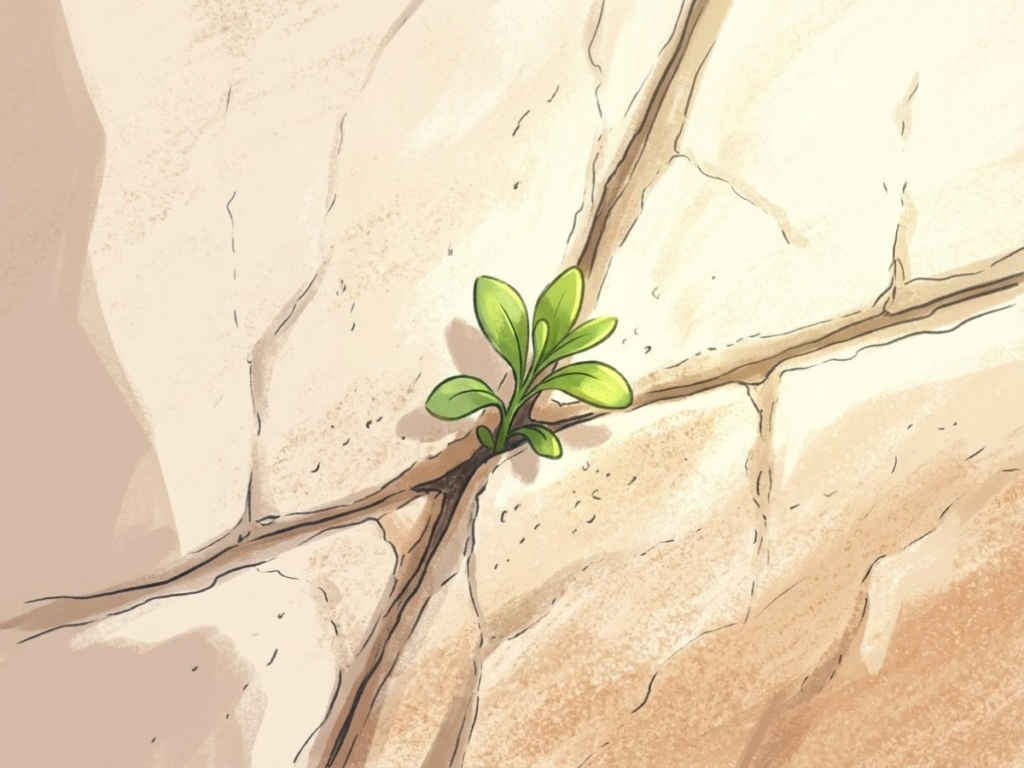
Here’s what gets me: that white cedar never stopped. It just operated under brutal conditions, exposed cliff, limited resources, wind, cold, and kept doing 0.11 g of work every single year. No drama. No highlight reel. Just the tiniest measurable contribution, compounded across a century and a half.
That’s not failure. That’s commitment without applause.
For comparison, a 2024 study of NYC street trees found London planetrees growing at a mean of 0.163 inches per year in the city database. Different environment, different result. The tree doesn’t set the conditions; it works within them.
Which is, if you squint at it, a decent framework for a Tuesday.
Frequently Asked Questions
What is the slowest-growing tree in the world?
The Guinness World Records verified slowest-growing tree is a white cedar (Thuja occidentalis) found on a cliff in Canada’s Great Lakes region. After 155 years it stood less than 10.2 cm (4 inches) tall, averaging 0.11 g of new wood per year. Bristlecone pines are often cited in this conversation but the specific record belongs to that single specimen.
Is bristlecone pine the slowest-growing tree?
Bristlecone pines are genuinely slow-growing and remarkably long-lived, but the Guinness record for slowest growth goes to a specific white cedar on a Canadian cliff. “Slowest-growing” isn’t a tidy species-level category, environment, age, and growing conditions all push the number around significantly.
How slow is 0.11 g of wood per year?
Very slow. A typical paperclip weighs about 1 g, so this tree added roughly one-tenth of a paperclip’s worth of wood annually. It’s measurable, but only just.
Does slow growth mean the tree is unhealthy?
Not necessarily. The Canadian white cedar was growing under extreme cliffside conditions with limited resources. It was producing wood every year; the environment just kept the ceiling very low. Slow and stressed is different from slow and dead.
In practice, slow growth simply means the tree is adding wood at a low rate, whether from species genetics, environmental stress, or both.
How long do slow-growing trees live?
Remarkably long, in many cases. Bristlecone pines, among the slowest-growing trees by species, are also some of the oldest living organisms on earth, with some individuals exceeding 4,000 years. The Canadian white cedar record-holder is a demonstration of the same pattern: slow growth and extreme longevity tend to go together.
Today’s move: next time you’re annoyed that something is taking forever, ask whether the conditions are the problem, not the effort. This isn’t our first time philosophizing the Bristlecone Pine. Sometimes 0.11 g is exactly what the situation allows, and that’s still enough.
Get The Enough List — free.
Ten minutes, five areas. A short guide for figuring out what enough looks like in money, health, work, people, and time — before you go sprinting at someone else's finish line. Yours when you subscribe.

Thoughts?