
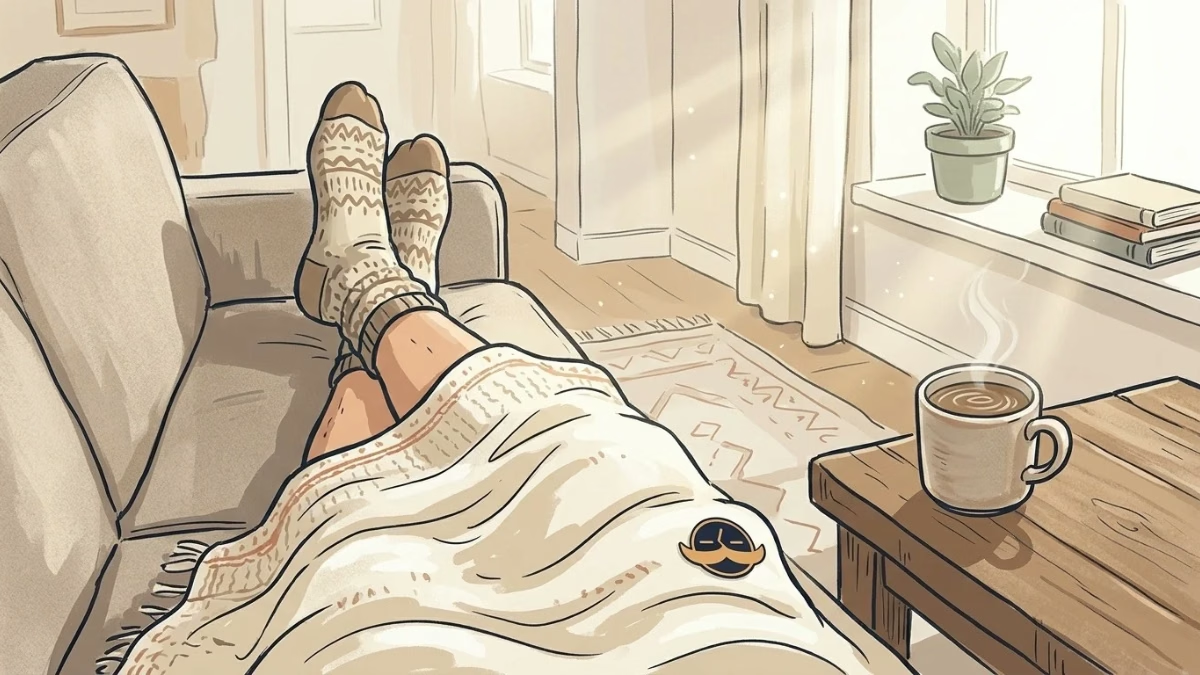
Your team has a bye week. That’s not a problem to solve. That’s a gift.
Most guys treat an off Sunday like a scheduling error and immediately fill it with a home-improvement project, meal prep, or a four-hour scroll through whatever the algorithm is serving. That’s just stress with better lighting. If you’ve been looking for a real reason to take a mental health break (one that’s actually worth something), the NFL just handed you one on a silver platter, and it’s completely acceptable to cash it in.
Key Takeaways
- Mental health breaks can be as short as five to ten minutes; the Cleveland Clinic recommends walks, meditation, or stretching as enough to relieve stress and anxiety.
- Harvard Health advises avoiding work tasks, including email, during a mental health day when possible.
- The National Institute of Mental Health lists reading, music, nature, and low-stress hobbies as free, effective self-care options.
- Harvard Health suggests scheduling a recurring mental health day quarterly or every other month, before burnout, not after it.
- NIMH notes that even 30 minutes of walking daily, broken into smaller chunks, contributes to mood and health benefits.
How to Take a Mental Health Break (Without Making It a Project)
Here’s what most “self-care” content won’t say plainly: you don’t need a spa day, a silent retreat, or a flight to somewhere with turquoise water. The Cleveland Clinic notes that a mental health break can be as short as five to ten minutes, a brief walk, some stretching, quiet music, or just sitting somewhere that isn’t your desk.
String a few of those together across a Sunday and you’ve got a bye week that actually does something for you.
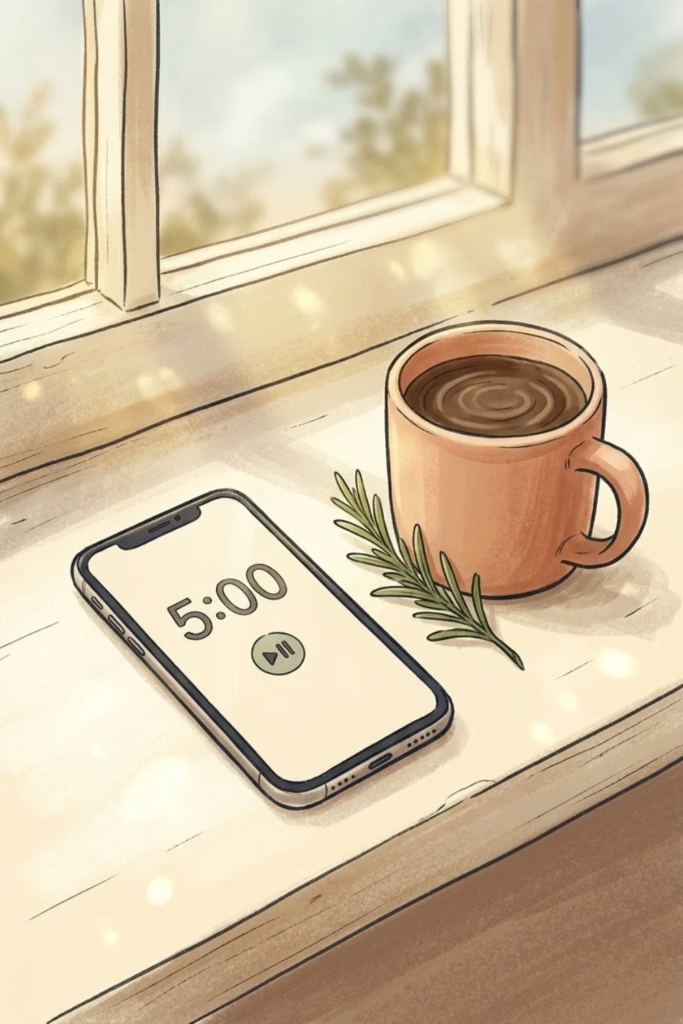
The National Institute of Mental Health recommends scheduling things like reading, music, time outside, and low-stress hobbies as genuine self-care. Note the word “scheduling.” This stuff doesn’t happen by accident. You have to decide it’s allowed.
What an Actual Bye Week Reset Looks Like
A rough menu, completely free, no airline miles required. These work whether you’re a busy parent sneaking an hour between school pickups or just someone who needs to take a break from work stress (and every item on the list is free):
- No email before noon. Harvard Health specifically advises avoiding work tasks, including email, during a mental health day when possible. “When possible” is doing a lot of work in that sentence for most of us, but a Sunday is about as possible as it gets.
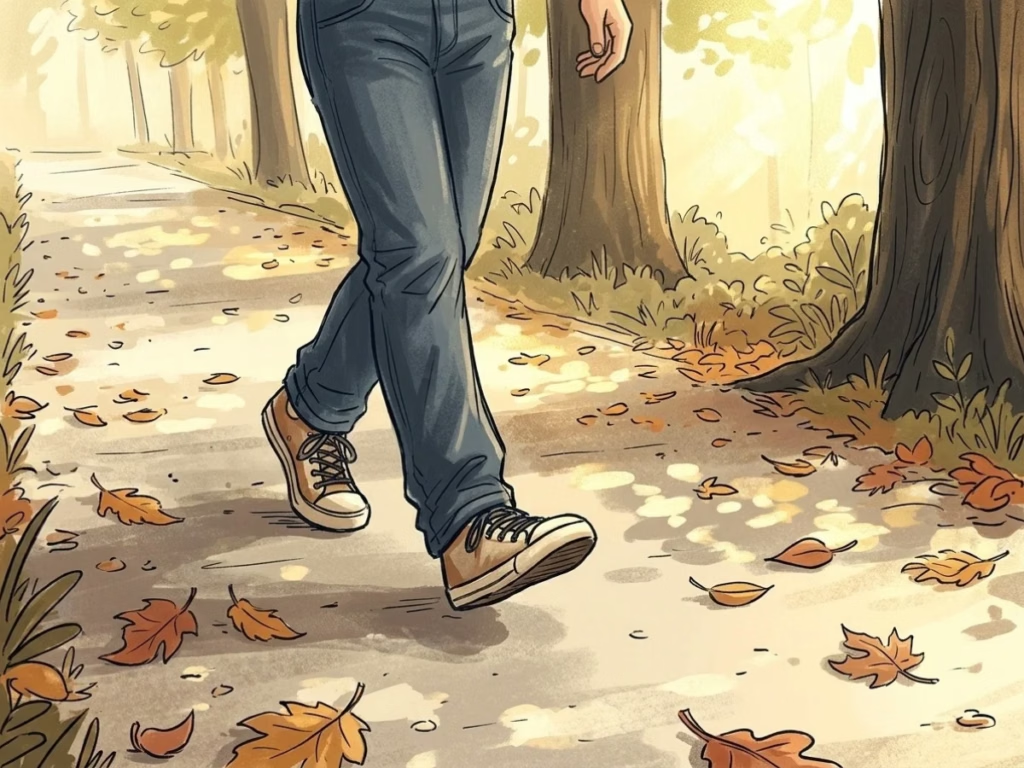
- A walk. NIMH points out that even 30 minutes of daily walking, broken into smaller chunks, counts. Fifteen minutes in the morning and fifteen after the early game is not laziness. That’s the plan.
- Something genuinely low-stakes. A puzzle. A book you’ve been meaning to start since 2023 (we’ve all got one). An old video game you never finished. Psychology Today notes that activities like reading, podcasts, and puzzles become restorative the moment you stop treating them as unproductive. Permission granted.
- A nap. Unironically.
The Part Nobody Tells You
Harvard Health suggests scheduling a recurring mental health day quarterly or every other month, not waiting until you’re running on fumes and crying in the parking lot of a Costco (hypothetically). The bye week hands you a built-in date on the calendar. Use it.

Two questions worth asking yourself on that morning, courtesy of Harvard’s expert guidance: What do I need? and How am I doing? Not complicated. Not a journaling exercise. Just two questions before you pick up your phone.
If you want the longer case for why resting without guilt is a skill worth building, this one’s worth a read. And if you’re thinking about how to pace yourself through a whole season without burning out by week ten, this piece on the Tour de France approach is more useful than it sounds.
Frequently Asked Questions
How long does a mental health break actually need to be?
It can be as short as five to ten minutes, per the Cleveland Clinic, which recommends brief walks, stretching, meditation, or quiet music. Longer is fine, but waiting until you can clear an entire day means most people never do it.
What should I actually do on a mental health day?
The NIMH recommends reading, listening to music, spending time in nature, and low-stress hobbies as effective free options. The common thread is low input, things that make demands of you, not things that just switch the screen.
Is it okay to do nothing productive on a bye week?
Yes, and it’s probably the point. Harvard Health advises genuinely stepping away from work tasks during a mental health day, per Harvard Health. If the activity adds to your to-do list, it’s not a break.
How often should I take a mental health day?
Harvard Health suggests scheduling one quarterly or every other month, per Harvard Health, before you need it, not after everything’s already on fire.
Today’s actual move: pick one thing off that list above and put it in your Sunday. One walk, one no-email window, one guilt-free hour with a book. That’s it. The rest figures itself out.
Get The Enough List — free.
Ten minutes, five areas. A short guide for figuring out what enough looks like in money, health, work, people, and time — before you go sprinting at someone else's finish line. Yours when you subscribe.
Thoughts?